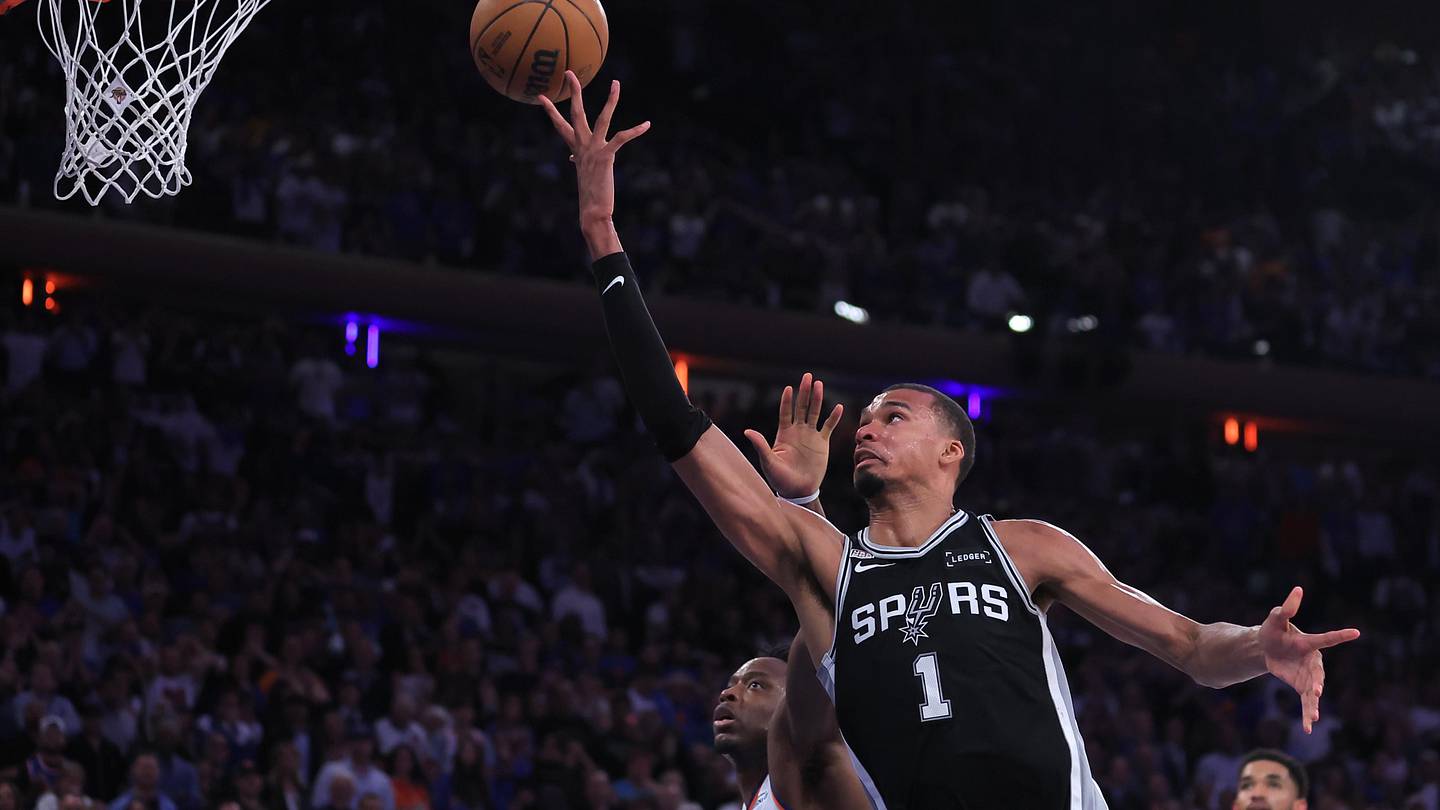
Sean Sweeney, the 41-year-old associate head coach of the San Antonio Spurs, was hired June 1 as the Orlando Magic's 16th head coach on a four-year deal that includes a team option for 2030-31. He remains with the Spurs through the 2026 NBA Finals before reporting to Orlando. Game 4 on June 10 featured the Spurs building a 29-point lead and setting an NBA Finals record with 14 first-half three-pointers before the New York Knicks rallied for a 107-106 victory on a tip-in with 1.2 seconds left.
The Magic's first-round exit against the Detroit Pistons featured a 24-point lead that evaporated into a 93-79 loss after Orlando scored just 19 second-half points, the lowest-scoring half in playoff history. That performance came after the team had already allowed a 31-0 run in a regular-season game against Toronto on March 29. Sweeney coached on a Spurs staff that finished with the league's third-ranked defense during the regular season.
Orlando's switch-heavy scheme under the previous regime produced elite regular-season results but left the roster vulnerable once opponents forced switches or exploited spacing in half-court sets. The Pistons collapse showed how quickly that system can break when shooters go cold and ball movement stalls, issues that mirrored the Spurs' second-half freeze in Game 4. Sweeney built his reputation developing young talent and tightening defensive rotations, yet the Magic's young core still requires an offensive identity that survived playoff physicality.
The front office moved on from Jamahl Mosley after three straight first-round exits, seeking a coach who had already worked with Paolo Banchero and Franz Wagner's skill sets through player-development pipelines. Rival teams continue to add shooting and secondary creators around similar timelines, widening the gap if Orlando cannot solve its half-court scoring droughts.
Sweeney will begin installation work in training camp this fall with the full roster available for the first time since the hiring. The Magic hold their own first-round pick and multiple future assets that could be used to address spacing or perimeter creation before the February trade deadline.
The 29-point Spurs lead vanishing in Game 4 simply confirmed what Magic fans already knew: the same defensive foundation that produces regular-season dominance can unravel in the playoffs without consistent half-court answers.

 Orlando Magic