Before the 2025-26 season, the Philadelphia 76ers were widely viewed as heading toward mediocrity. Injuries had plagued the roster, and the team managed just 24 wins the year before. Contracts for Joel Embiid and Paul George were described as untradeable dead weight, leaving the organization to focus on rebuilding around Tyrese Maxey and the emerging V.J. Edgecombe.
Mike Gansey’s first move as the lead executive upended that narrative. He negotiated a trade that sent Paul George to the Dallas Mavericks in exchange for Boston Celtics star Jaylen Brown. The swap, deemed impossible months earlier, turned the Sixers’ outlook on its head and moved the club from a projected Play-In participant to a genuine contender for top-tier free agents.
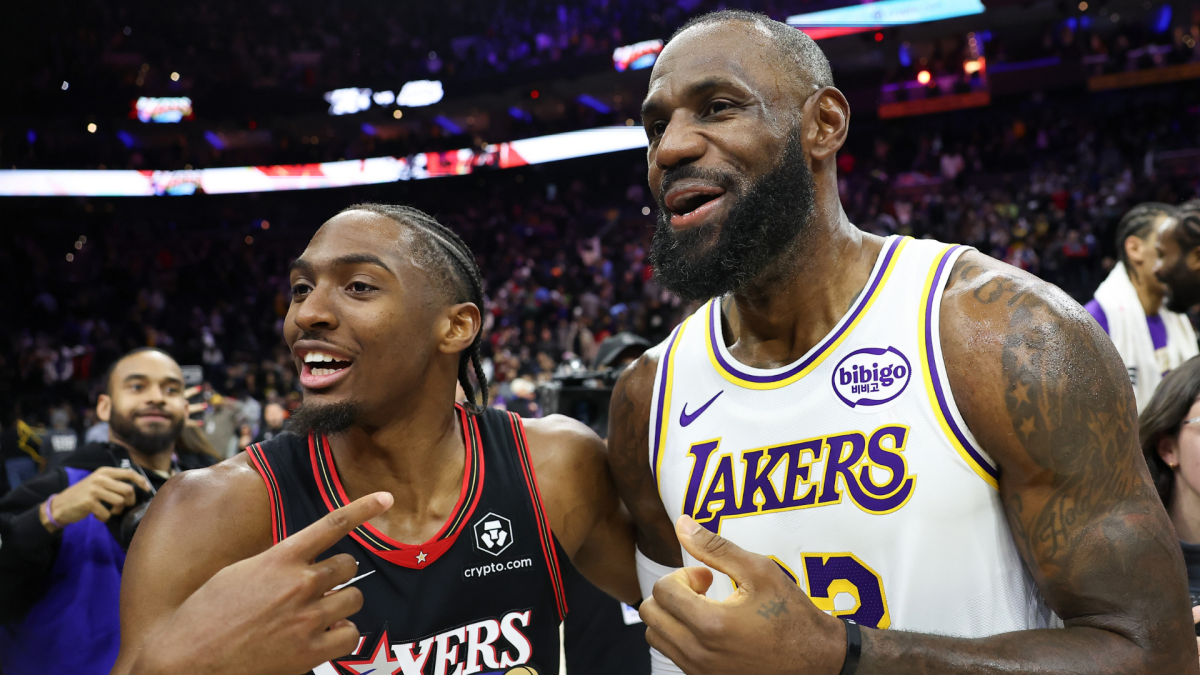
The cultural shift became evident when Sixers owner Josh Harris briefly chatted with LeBron James at a VIP gathering during Fanatics Fest in New York. Maxey, Embiid, Brown, and Harris all let James know they would welcome him to Philadelphia. That direct line of communication, from the front office to the locker room, underscores a new openness that was missing during the franchise’s low point.
Gansey’s relationship-building also manifested in the signing of forward Dean Wade. Wade agreed to a four-year, $39 million contract, and in his introductory interview he praised the organization, saying, “He’s a great person.” The deal not only added depth but also restored fan confidence by demonstrating that the front office could attract and retain talent beyond the marquee names.
Together, the George-Brown trade, the Wade signing, and the open invitation to LeBron James illustrate a Sixers culture that has shifted from defensive stagnation to proactive ambition. The roster now blends veteran leadership with youthful energy, offering a balanced mix of interior presence, wing versatility, and back-court speed that could accommodate an elite player seeking a fresh challenge.
If James ultimately decides to join Philadelphia, the move would cement the Sixers’ transformation from a struggling franchise into a premier destination in free agency. Even the mere possibility signals to the league that Philadelphia’s front office has rebuilt trust, redefined its strategic identity, and is prepared to compete at the highest level.