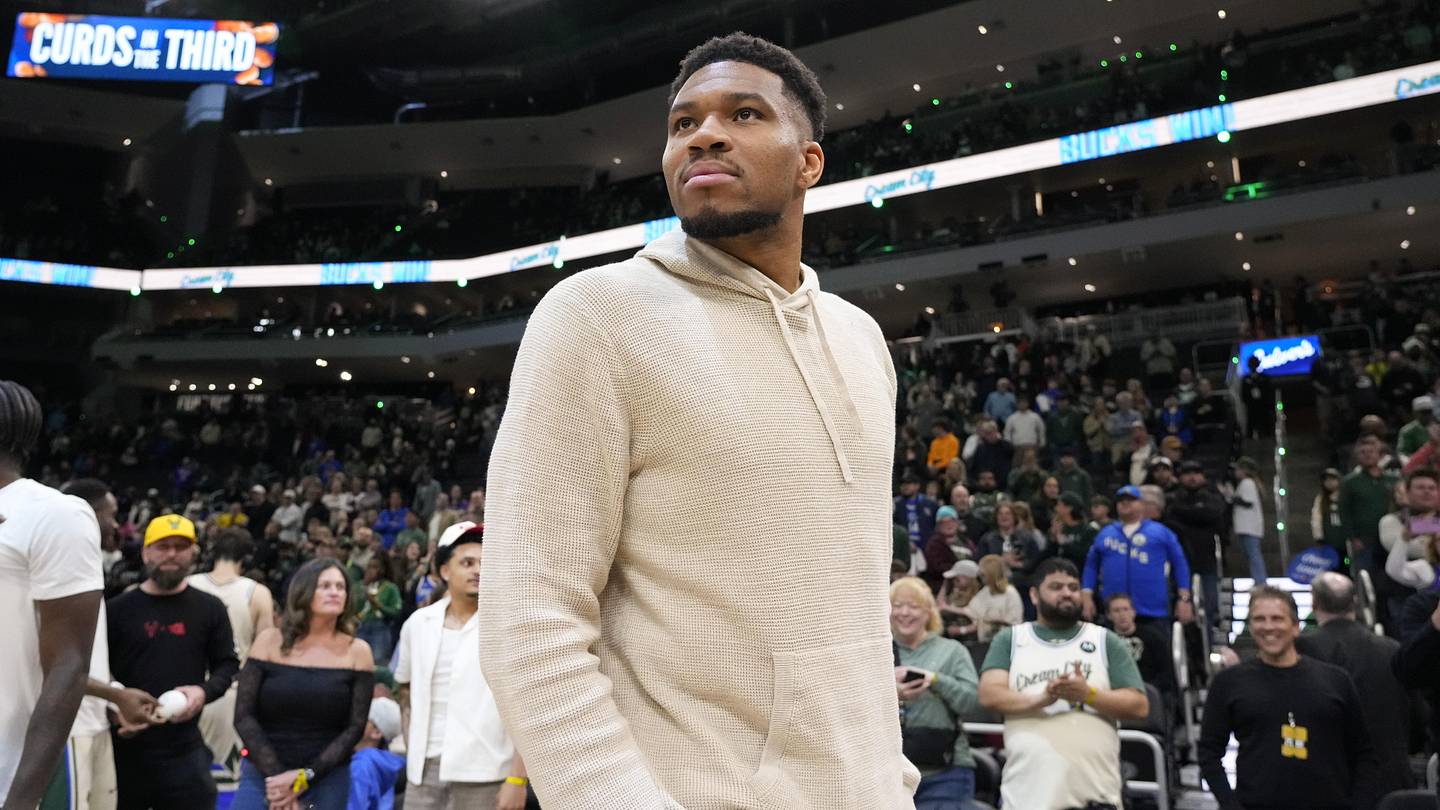
The Boston Celtics are emerging as a frontrunner in the Giannis Antetokounmpo sweepstakes. A potential trade scenario could exclude the Portland Trail Blazers, a team previously considered a key facilitator in a multi-team deal. This development significantly alters the landscape for teams like Portland, who possess first-round swap rights with Milwaukee in 2028 and 2030, which had made them an attractive partner.
The prevailing buzz suggests the Celtics envision a direct one-for-one swap involving Jaylen Brown, rather than a multi-team deal. This would involve two All-Stars still in their respective primes, with Antetokounmpo at 31 and Brown at 29. Brown, coming off an All-NBA Second Team appearance while averaging 28.7 points per game, is viewed as a similar-level prize to Antetokounmpo. This direct exchange would simplify the transaction for Boston and Milwaukee.
Such a swap would keep Milwaukee competitive in a crowded Eastern Conference, shifting the Bucks immediately from building around Antetokounmpo to building around Brown. This approach would circumvent the need for additional teams, like Portland, to facilitate compensation. Without the Blazers' involvement, the Bucks would not need to worry about losing valuable future draft picks by rerouting Brown to Rip City.
Portland's potential role had been to acquire Brown, allowing the Blazers to be the main team compensating the Milwaukee Bucks for Antetokounmpo. The price for Brown was expected to be whatever compensation Milwaukee could get for Antetokounmpo, despite having little leverage over the two-time MVP. This presented a rare opportunity for Portland to acquire a franchise-altering talent at a discounted rate, capitalizing on Milwaukee's need for assets.
However, if the Bucks decide they are willing to shift to building around Brown, this opportunity for Portland diminishes. The Blazers' services, and those of other potential facilitators like the Pelicans, Hawks, and Clippers, may no longer be needed. The decision for the Bucks could be as simple as a direct swap, maintaining competitiveness without involving external draft capital, which would leave Portland on the outside of this high-profile transaction.

 Portland Trail Blazers