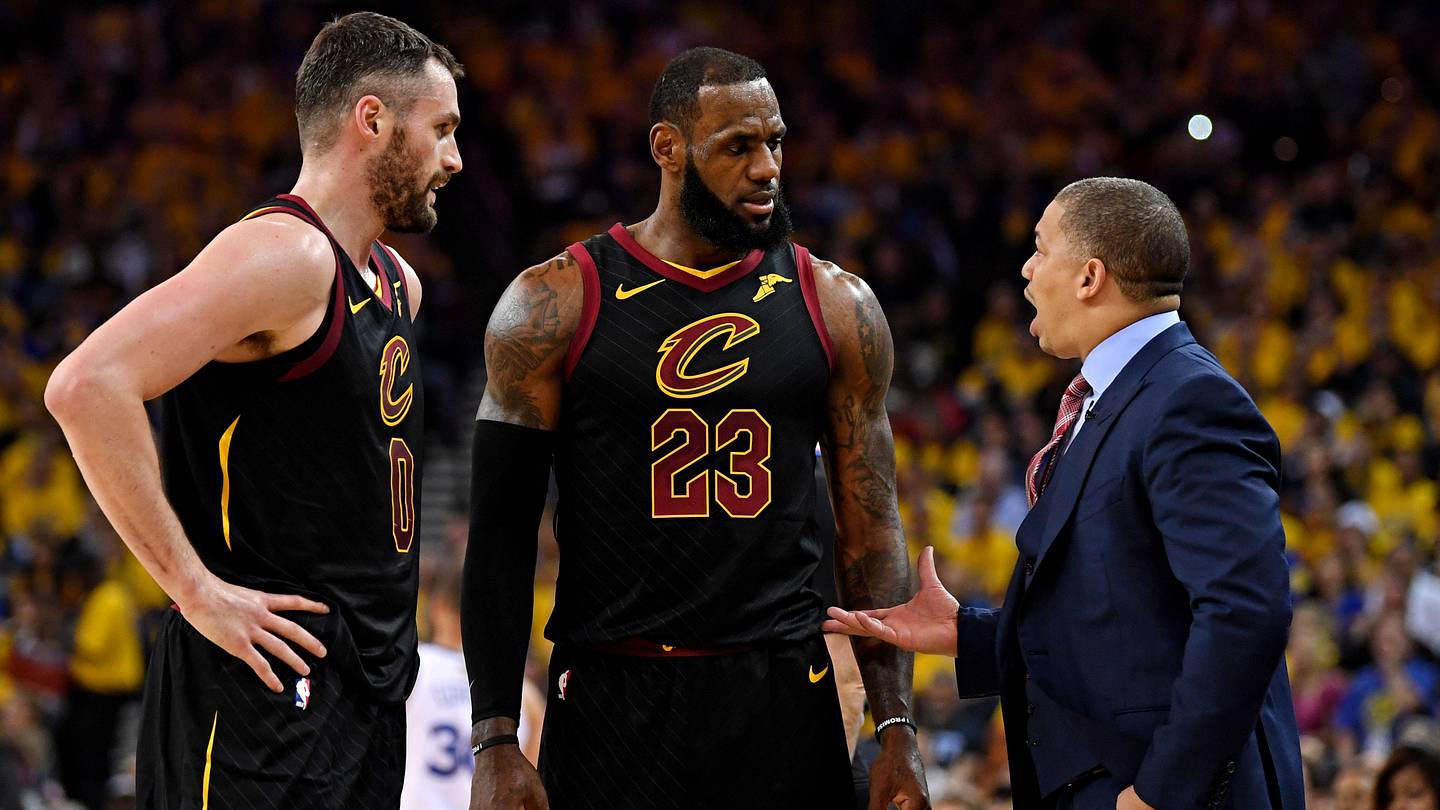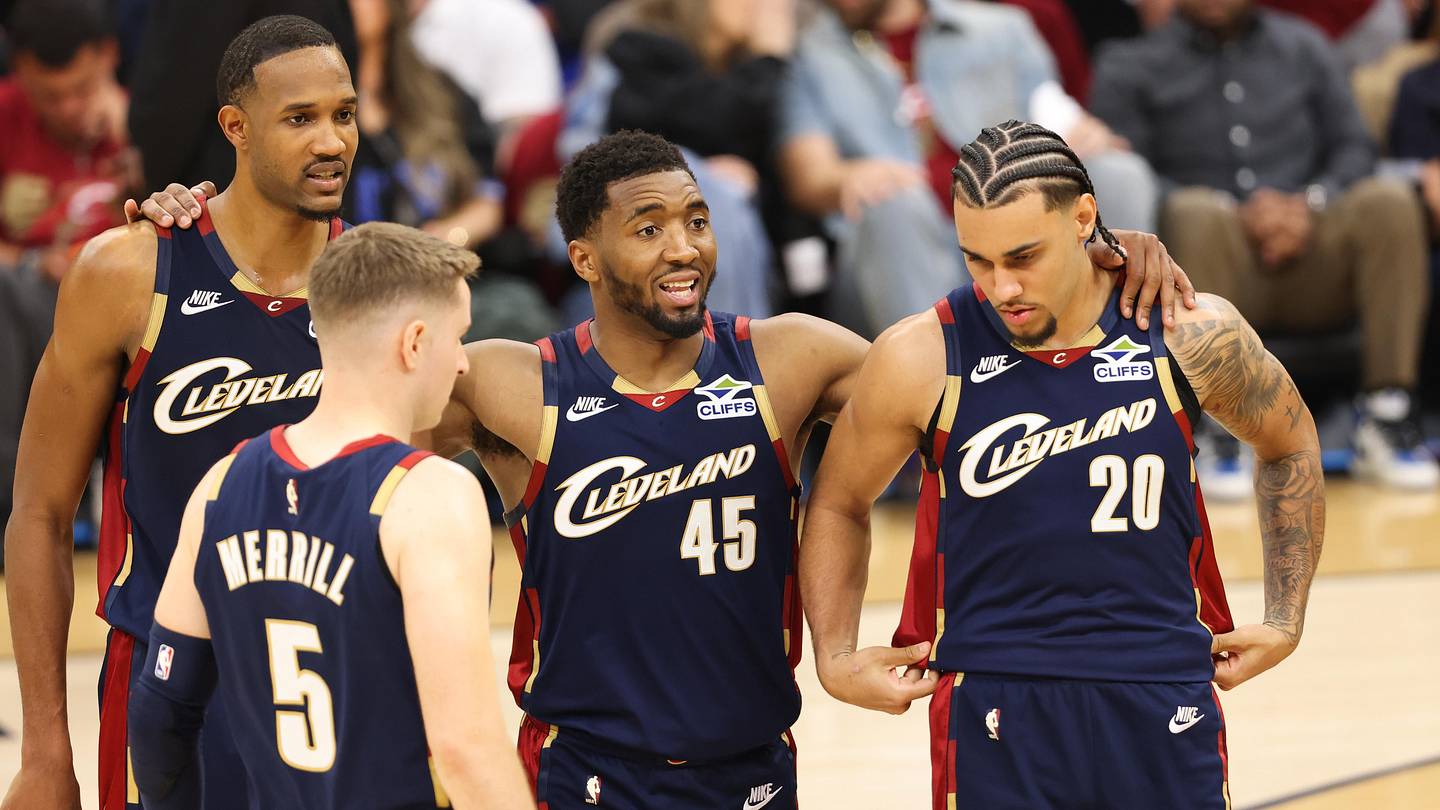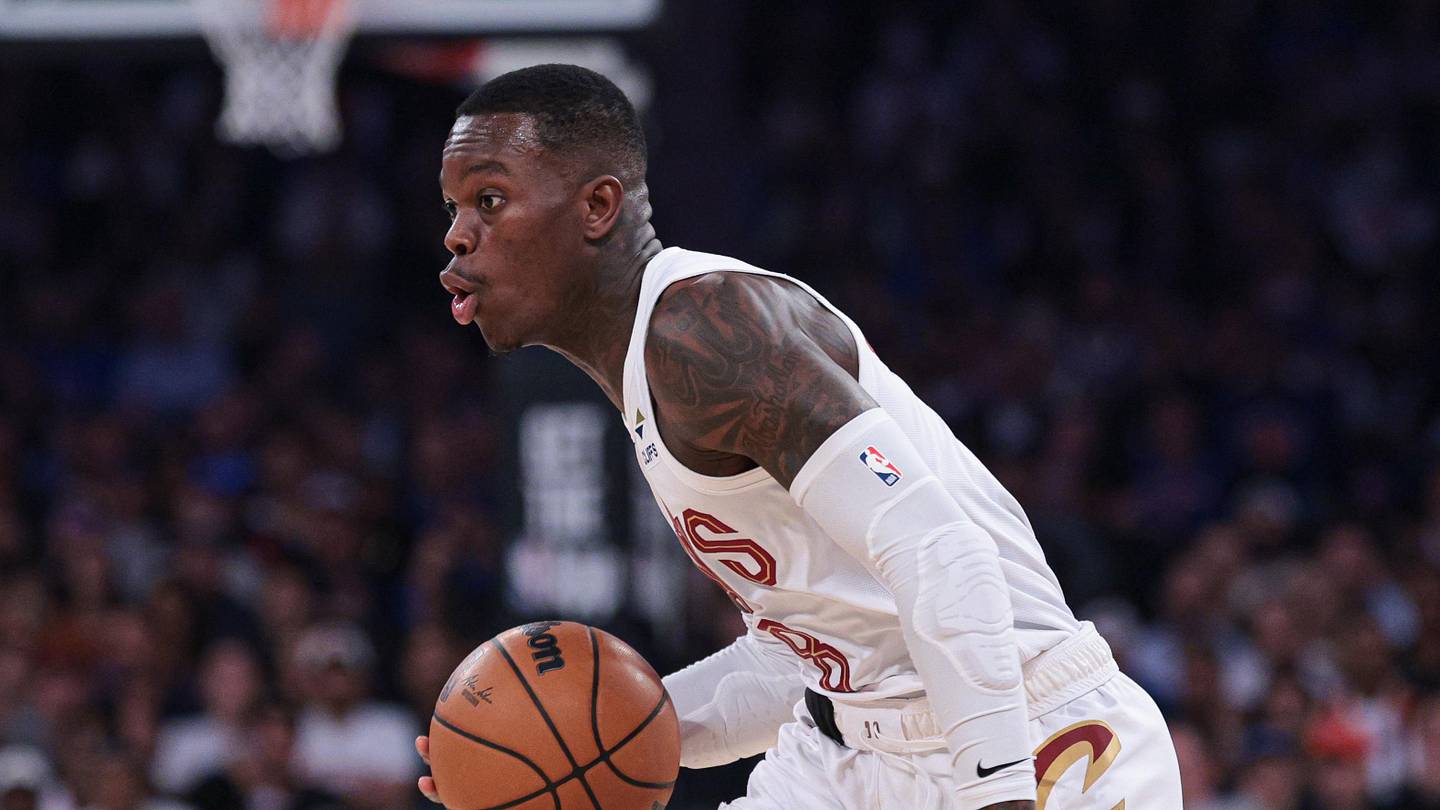
The Cleveland front office is actively evaluating a trade for Dennis Schroder after a single season in a Cavs jersey. The move would reverse the deadline swap that sent De’Andre Hunter to Sacramento in exchange for Schroder and rookie Keon Ellis. With the offseason clock ticking, the organization appears intent on moving the German guard before the free-agency rush begins.
Schroder is under a three-year deal worth $45 million that is about to enter its second year, with a base salary just under $15 million. The contract represents a sizable portion of the team’s salary flexibility, especially as the Cavaliers look to shape a roster that can compete in a faster, more versatile style of play. Removing that near-$15 million salary would free cap space that could be redirected toward a wing or veteran presence that fits Cleveland’s evolving identity.
At the same time, the club expects point guard James Harden to decline his player option and sign a new two-year contract that will push the franchise beneath the second luxury-tax apron, reducing the tax penalties associated with being over the luxury cap. This anticipated shift in Harden’s status is a key factor in the team’s overall cap strategy and will influence how much flexibility the Cavaliers have to absorb or move contracts.
The Cavaliers also have five players eligible for extensions, headlined by superstar Donovan Mitchell. It is possible that Mitchell decides not to sign an extension now, making him an unrestricted free agent after next season. In that scenario, Cleveland could look to lock him in with a $70 million annual extension, a deal the front office hopes to secure sooner rather than later. The potential for such a high-value commitment underscores the importance of preserving cap space by shedding contracts that no longer match the team’s strategic direction.
The next few weeks will determine Schroder’s fate. If Harden signs the anticipated two-year contract soon, the Cavaliers will have a clearer picture of their cap situation and can explore trade packages before the upcoming moratorium deadline ends. Teams seeking a seasoned guard at a reduced salary could become viable partners, providing Cleveland with the flexibility to pursue higher-priced free agents or to solidify Mitchell’s long-term deal before the summer free-agency frenzy begins.
Overall, the Cavs are positioning themselves to balance roster depth with cap health, using the potential move of Schroder as a lever to shape a competitive roster for the upcoming season.
 Cleveland Cavaliers