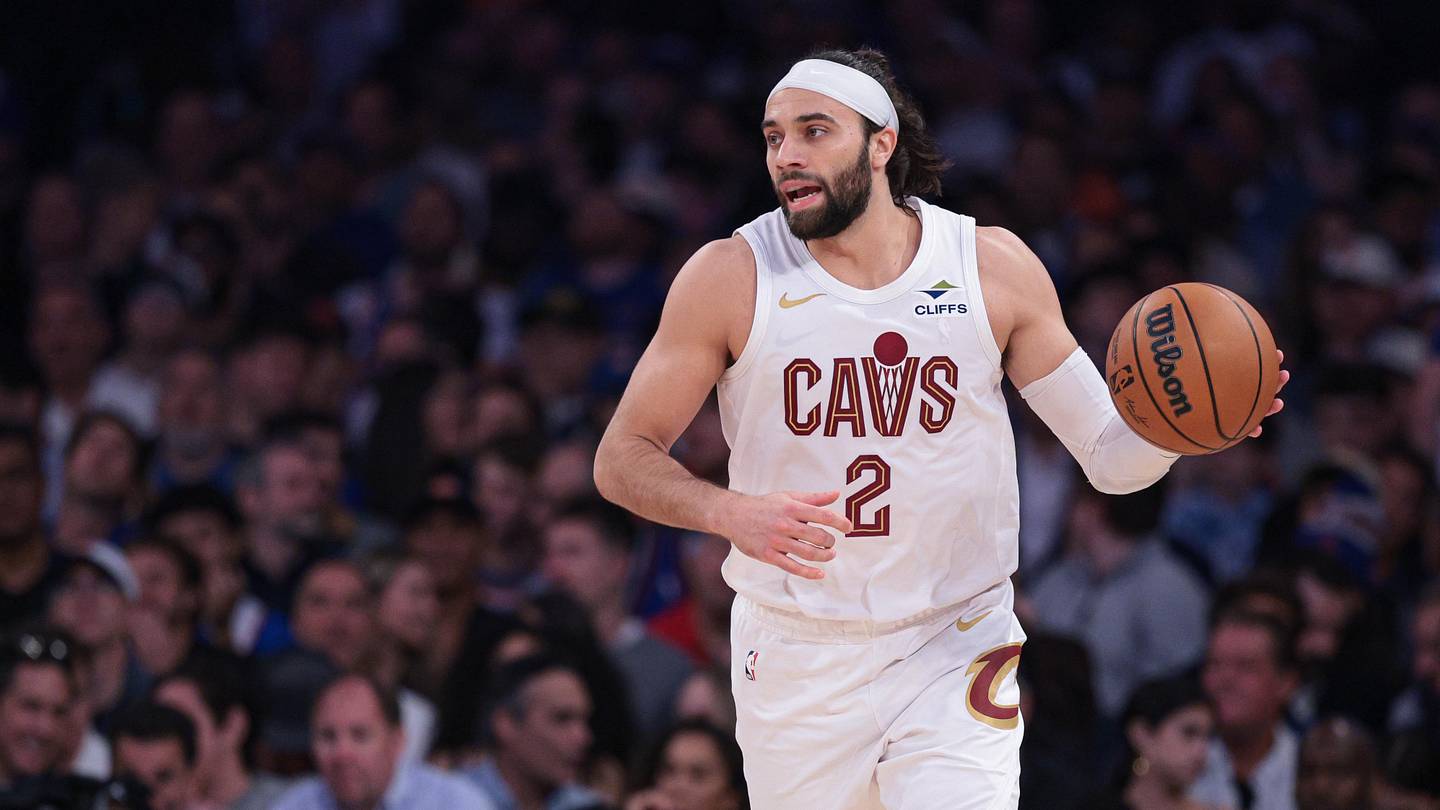
The silence that follows a playoff sweep often serves as a catalyst for the most ambitious roster reconstructions. For the Cleveland Cavaliers, a recent exit at the hands of the New York Knicks in the 2026 conference finals has reignited a familiar conversation.
The franchise remains a few steps short of the ultimate goal, and the solution being discussed across the league involves the return of a player who has already delivered the city its greatest sporting moment.
LeBron James enters this summer as an unrestricted free agent for the first time since 2018. The basketball world is currently parsing the options for the league all-time leader in points, field goals, and minutes. While retirement remains a technical possibility, the prevailing expectation is a choice between staying with the Los Angeles Lakers or returning to Ohio for a third stint with the Cavaliers.
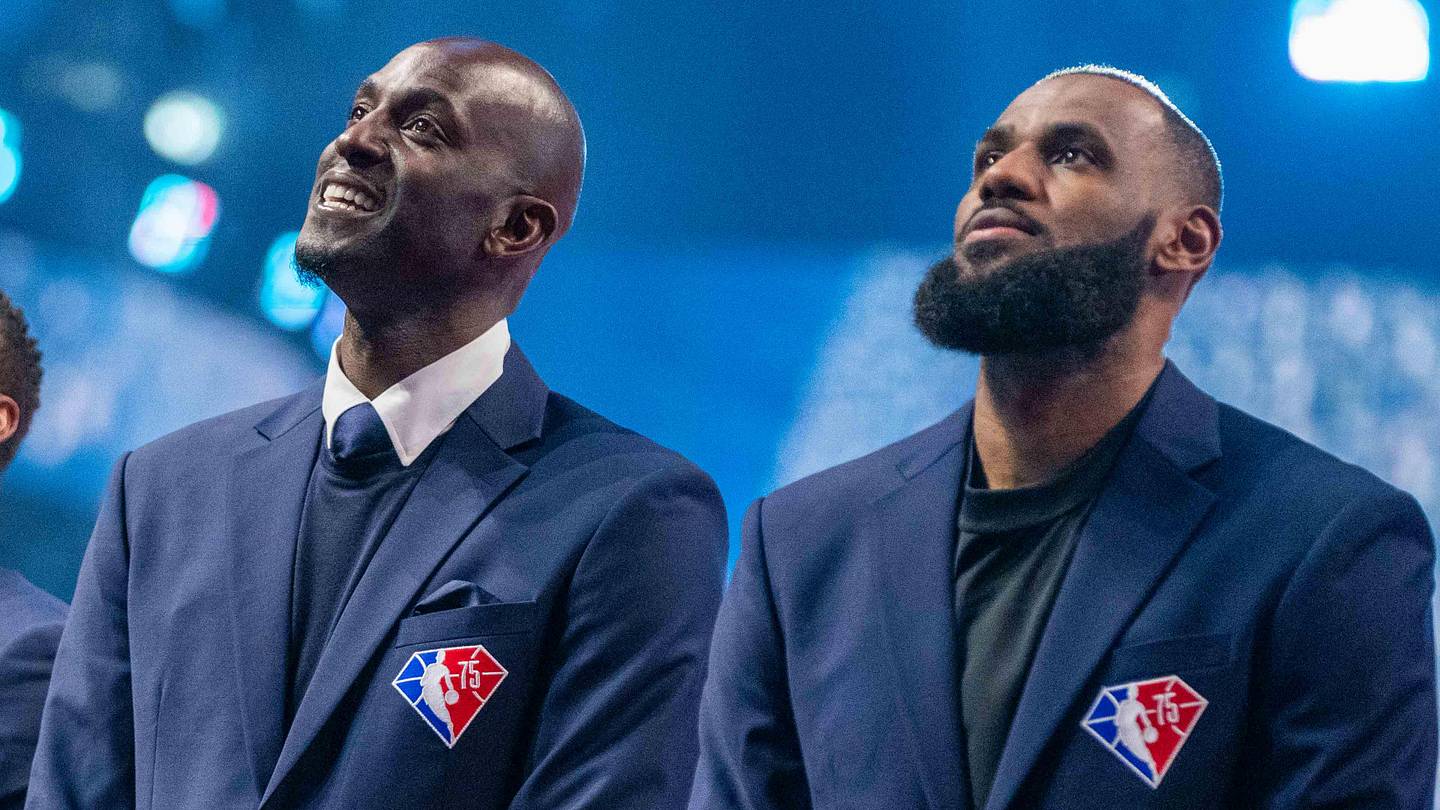
NBA legend Kevin Garnett has publicly entered the conversation with a specific vision for the end of the James era. Garnett is advocating for James to prioritize the narrative arc of his career over his next paycheck. The proposal is simple in theory but complex in practice: James should take a significant pay cut to facilitate a reunion with the Cavaliers.
This suggestion taps into the deep emotional history James shares with the organization. Across two previous stints spanning eleven seasons, James averaged 27.2 points and over seven rebounds and assists per game. He transformed the Cavaliers from a struggling lottery team into a perennial contender, collecting two MVP awards and ten All-Star selections in a Cleveland jersey.
The height of that era remains the 2016 NBA Finals. Facing a 73-win Golden State Warriors team, the Cavaliers became the only team in history to overcome a 3-1 deficit in the championship round. James delivered a statistical masterpiece in that series, averaging 29.7 points, 11.3 rebounds, and 8.9 assists to secure the Finals MVP.
James recently reflected on that achievement while golfing with the crew from Bob Does Sports. He noted that while his first title in Miami relieved a massive internal pressure, the victory in Cleveland was a different category of success. He described the championship as a goal he needed to achieve to close a specific chapter of his life.
The 2016 title ended a 50-year championship drought for the city of Cleveland. James emphasized that the mission was always about more than just basketball. It was about the state of Ohio and a city that had waited decades for a moment of collective catharsis. He admitted that winning for his hometown was probably the most special achievement of his professional life.
However, the sentimental pull of a homecoming is currently colliding with the cold mathematics of the NBA salary cap. Brian Windhorst of ESPN has reported that James is not expected to take a pay cut to facilitate his next move. This creates a significant logistical hurdle for the Cavaliers front office as they look at their current financial sheet.
As the roster stands today, the Cavaliers only have the flexibility to sign James for approximately $3 million. This figure is a fraction of the market value for a player who remains an elite offensive engine. Even in his current career stage, James averaged 20.9 points and 7.2 assists for the Lakers this past season, proving his efficiency is still worth a premium salary slot.
To make a reunion viable, Cleveland would need to engage in aggressive roster maneuvering. This would likely involve clearing existing cap holds and perhaps moving established players to create the necessary leverage in the market. The front office must weigh the trade value of their younger core against the immediate championship gravity James brings to a lineup.
The 2026 conference finals sweep highlighted a lack of veteran composure and late-game execution for the Cavaliers. While the current group has talent, they struggled to generate consistent rim pressure against the Knicks' physical defense. Adding James would theoretically solve many of those half-court spacing issues and provide a secondary playmaker to ease the burden on the backcourt.
The fan stakes in Cleveland are always high when the James name is mentioned. The city saw him leave in 2010 and 2018, both times leaving a vacuum that took years to fill. A third return would represent a full-circle moment, but the financial realities reported by Windhorst suggest that the organization cannot rely on a hometown discount to make the numbers work.
Every decision James makes is calculated for both its on-court impact and its long-term legacy. If he chooses to stay in Los Angeles, he maintains his proximity to his various business interests and a stable, high-profile environment. If he chooses Cleveland, he leans into the storybook ending that Garnett and many others find so compelling.
The Cavaliers find themselves in a delicate position. They have a roster that is clearly talented enough to reach the final four of the Eastern Conference, but not yet disciplined enough to win it. The presence of James would change the internal expectations overnight, shifting the focus from development to an immediate title pursuit.
Salary slots and luxury tax implications will dictate the feasibility of this move more than any highlight reel or nostalgic memory. The front office must decide if they are willing to dismantle parts of a functional team to accommodate one of the greatest players in history at a high price point. It is a gamble that involves balancing the future of the franchise against a final window of contention.
For James, the choice involves a different kind of calculation. He has already achieved the mission he set out for in 2014. He has the points record, the rings, and the respect of his peers. Now he must decide if he is willing to negotiate his financial standing to chase one last trophy in the place where his journey began.
The gap between a $3 million offer and a max contract is a chasm that few players are willing to cross, even for the sake of a perfect ending. If the Cavaliers cannot find a way to create a more realistic financial package, the dream of a third stint may remain just that. The business of basketball rarely makes room for the kind of discounts required to turn a legend's wish into a signed contract.
 Cleveland Cavaliers