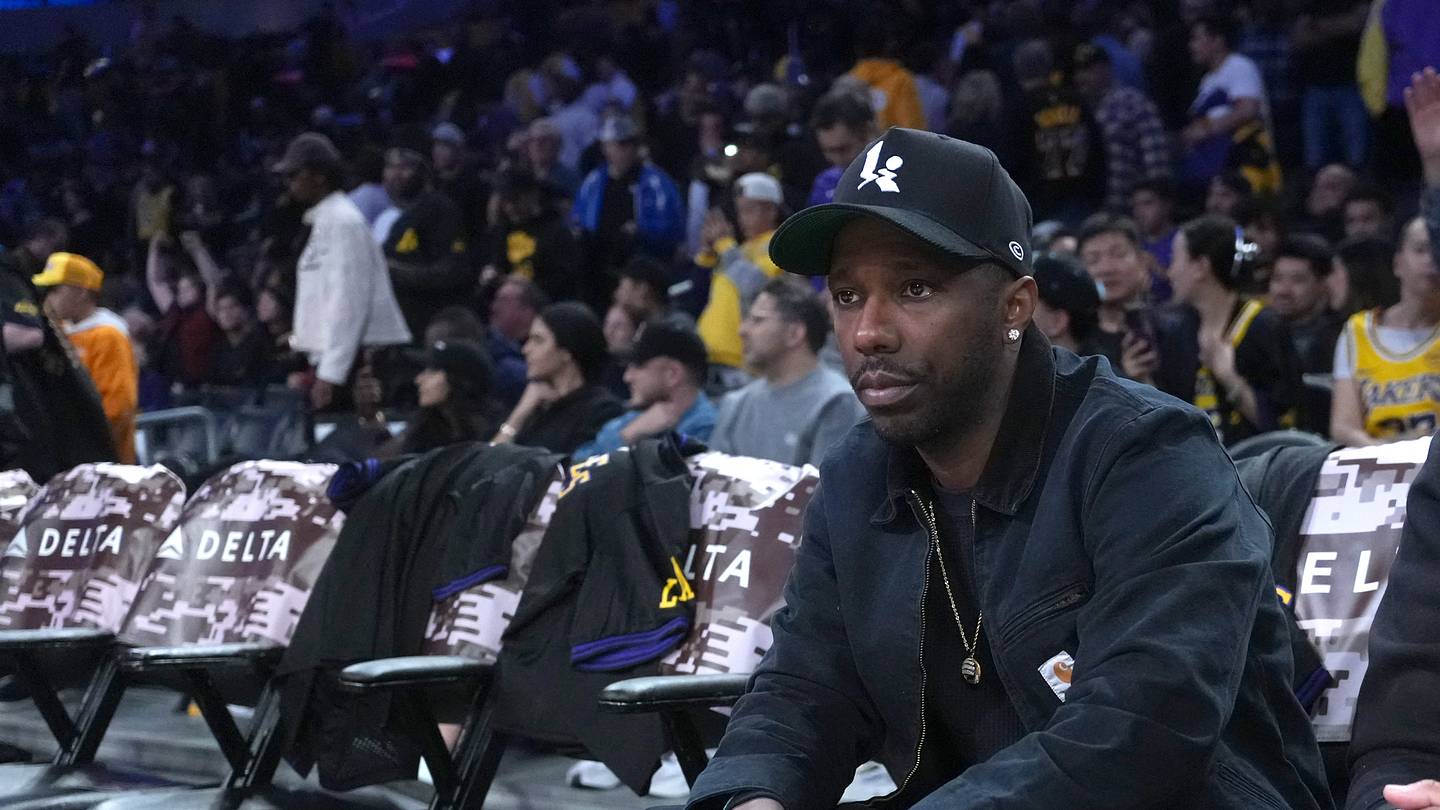
LeBron James’ move to the Philadelphia 76ers dominated NBA conversation this week, but the spotlight has shifted to his longtime agent, Klutch Sports CEO Rich Paul. Paul fielded a flood of questions about trade possibilities, most notably a rumored pursuit of James Harden, and used every public platform to comment on Cleveland’s roster decisions. His vocal presence has turned the Cavaliers into the focal point of a broader debate about who really shapes a franchise’s future.
Paul highlighted three issues that he believes have hampered Cleveland’s path forward. First, he noted that family considerations were never a factor in LeBron’s decision. Second, he criticized the front office for failing to secure a deal for point guard Donovan Brown. Third, he argued that the Cavaliers lack a clear long-term outlook. These points were framed as “three strikes against Cleveland” in a social-media thread that circulated widely among NBA insiders.
The agent’s most striking comment linked guard Darius Garland to Sixers star Tyrese Maxey, suggesting that LeBron valued Garland on par with the emerging talent in Philadelphia. Paul warned that trading Garland for a player like Harden would “undermine the franchise’s long-term outlook” and jeopardize any chance of a future LeBron return. By equating Garland’s market weight with Maxey’s, Paul amplified the guard’s perceived value and complicated Cleveland’s trade flexibility.
From a strategic perspective, Paul’s public stance blurs the line between player representation and roster construction. When an agent repeatedly weighs in on trade rumors and player valuations, it forces a front office to respond to an external narrative rather than solely to cap constraints and talent pipelines. This dynamic limits the Cavaliers’ ability to maneuver in a league where every asset is scrutinized for its trade potential.
Looking ahead, the Cavaliers must decide whether to retain Garland and build a supporting cast around him or to explore a trade that aligns with a longer-term rebuilding plan. The upcoming NBA draft and free-agency period will test how much influence Paul’s commentary has on Cleveland’s decisions. Ultimately, the situation serves as a case study in how an agent’s voice can shape a franchise’s direction, raising questions about the balance between advocacy and ownership in modern NBA politics.