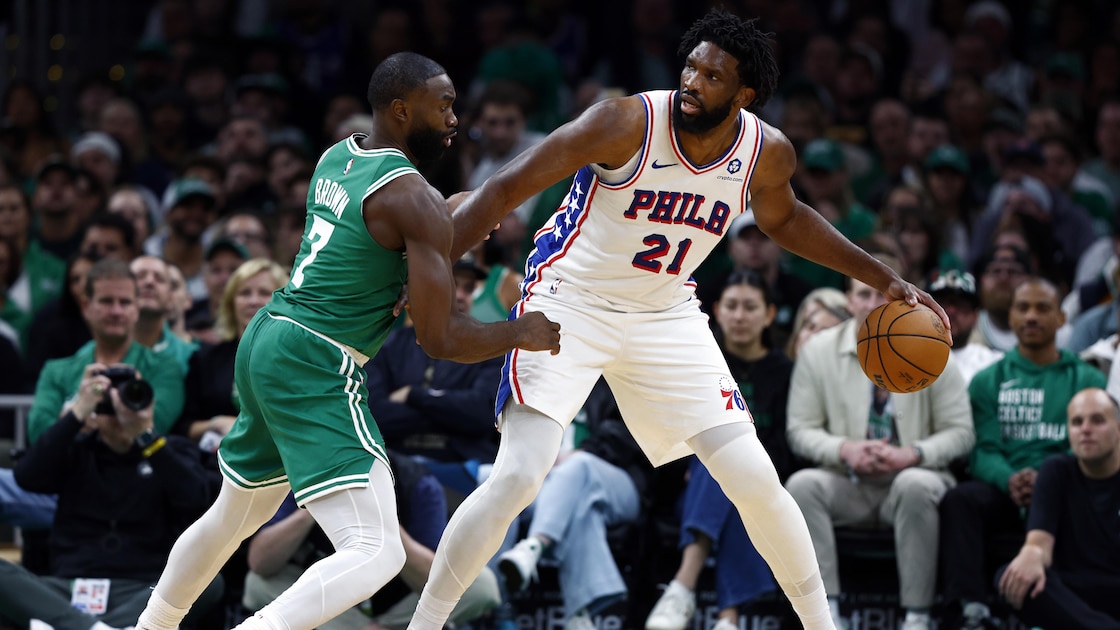
Boston’s front office moved two-time All-Star Jaylen Brown in a deal that instantly reshaped the team’s salary landscape. By parting with a player who anchored the Celtics’ long-term financial commitments, the club created a rare window of flexibility that can be used to bring in a young, high-upside prospect. The timing of the move, coming just before the draft lottery, has sparked a wave of speculation about whether the trade was designed to clear a path for a high-school talent such as Cooper Flagg.
The removal of Brown’s contract not only lifts a sizable burden from the hard cap but also nudges the Celtics below the luxury-tax threshold. That shift opens the door for a rookie-scale agreement that would be a fraction of the outgoing salary, allowing Boston to allocate resources elsewhere without sacrificing the ability to retain core pieces. In practice, the financial breathing room could support a developmental contract for Flagg while keeping the roster lean enough to stay competitive.
From a basketball standpoint, the trade reshapes the wing depth and creates a slot for a player whose defensive instincts mirror the intensity of a younger Marcus Smart. Flagg’s size, mobility, and ability to guard multiple positions align with the Celtics’ emphasis on switchable defense and fast-break offense. With Brown’s departure, the remaining wings, among them Sam Hauser and the newly acquired veteran, will need to adapt to a more perimeter-oriented system, a trend that dovetails with Boston’s growing reliance on three-point shooting.
The move reflects a broader front-office philosophy of leveraging high-value contracts to generate draft capital and cap breathing room. Recent transactions have shown Boston willing to exchange veteran talent for flexibility, a pattern that has become common across the league as teams seek to navigate the post-supermax era. By clearing space now, the Celtics position themselves to either lock in a promising rookie like Flagg or pivot toward a veteran addition that can contribute immediately, depending on how the draft unfolds.
Looking ahead, the Celtics must decide whether to commit to Flagg with a modest extension or to use the cleared cap to target a veteran shooter or defensive specialist in free agency. Either path requires balancing short-term competitiveness with long-term asset accumulation, a calculus that will shape the franchise’s trajectory over the next several seasons.