The Boston Celtics are positioning themselves to move up from their late first-round slot in next Tuesday’s draft. According to sources, the most direct route would involve sending forward Sam Hauser, whose contract will expire after the upcoming season, to a partner team in exchange for a higher selection. Making the move on draft night would give Boston immediate control over a deeper pool of talent while preserving valuable cap flexibility.
Boston’s cap sheet reveals a full mid-level exception worth $15,049,000 for the upcoming season, along with a traded player exception valued at $27.7 million. Hauser’s contract, while modest, would consume a sizable portion of that exception room if retained. By moving his deal, the Celtics free roughly eleven million dollars, allowing them to combine the two exceptions and stay comfortably under the luxury-tax threshold. The resulting flexibility could be used to sign a free-agent wing or to facilitate a supplemental trade without triggering a steep tax bill.
The primary target on the board is a wing who can create his own shot, stretch defenses and generate offense off the dribble. Adding that skill set would complement Jayson Tatum’s off-ball scoring and provide a reliable secondary option when the ball is reversed to the high post. At the same time, the Celtics still lack a traditional big-man presence, which forces them to rely on small-ball lineups. A scorer-center combo would give Brad Stevens’ staff the ability to run a more balanced offense that mixes pick-and-roll action with perimeter spacing.
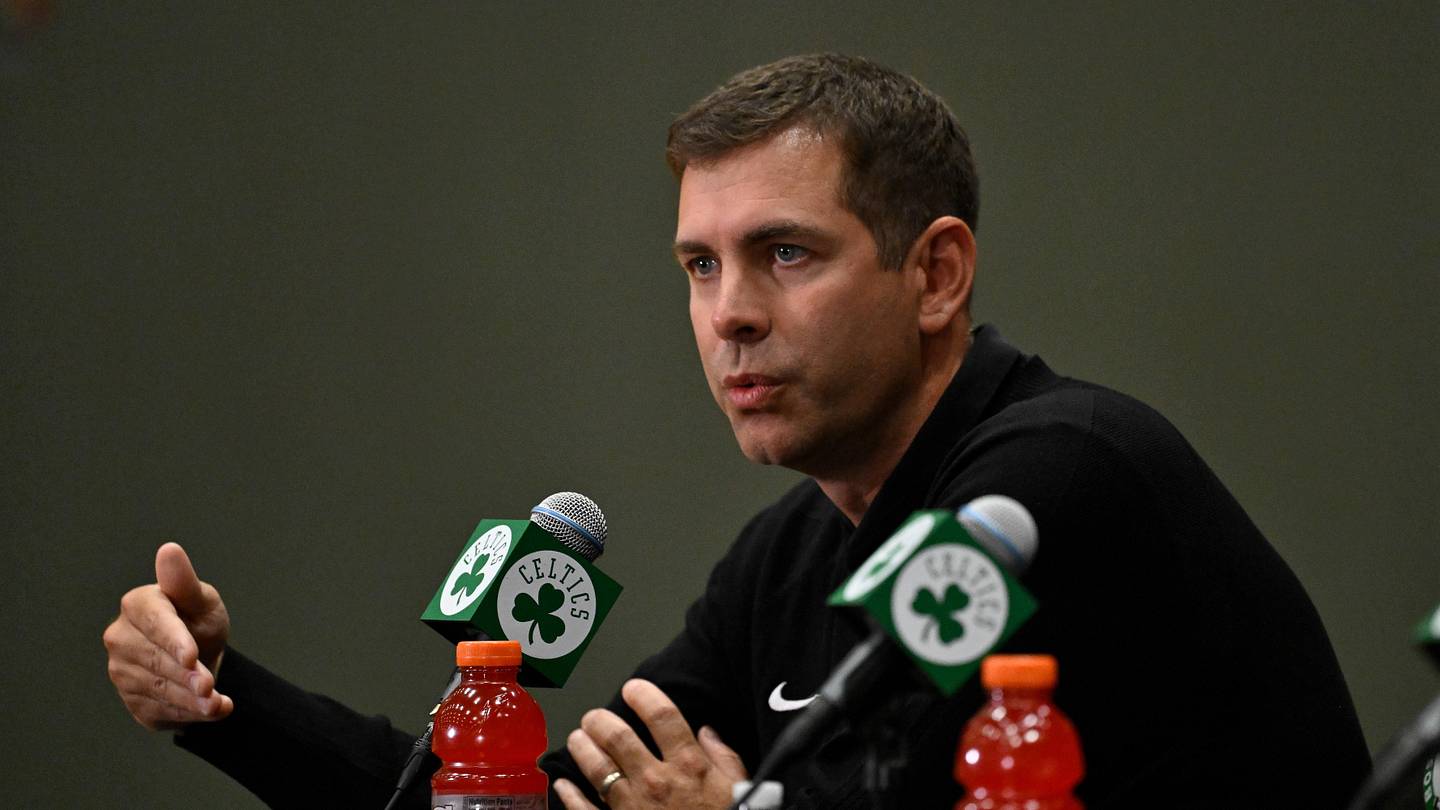
Stevens has long emphasized roster flexibility, cap health and the ability to pivot quickly. The persistent Giannis Antetokounmpo speculation has dominated headlines, but the front office appears frustrated with that narrative and is refocusing on a pragmatic build. This draft-day push mirrors Boston’s recent pattern of leveraging draft assets to reshape the salary structure, such as a prior move that took them up in a recent season to acquire a veteran wing.
The draft takes place on Tuesday, and the Celtics will have a window until the start of free agency to finalize any accompanying deals. If the partner team accepts the Hauser package, Boston will likely pursue a free-agent wing in a sizable range, using the combined exceptions to stay under the luxury-tax line. Should the partner decline, the Celtics could still bundle Hauser with the late first-round pick to chase a lower-lot selection or a player-swap package. Either way, the offseason plan hinges on the draft outcome, and the next few weeks will reveal whether Boston can translate cap space into a deeper, more versatile roster.

 Boston Celtics
