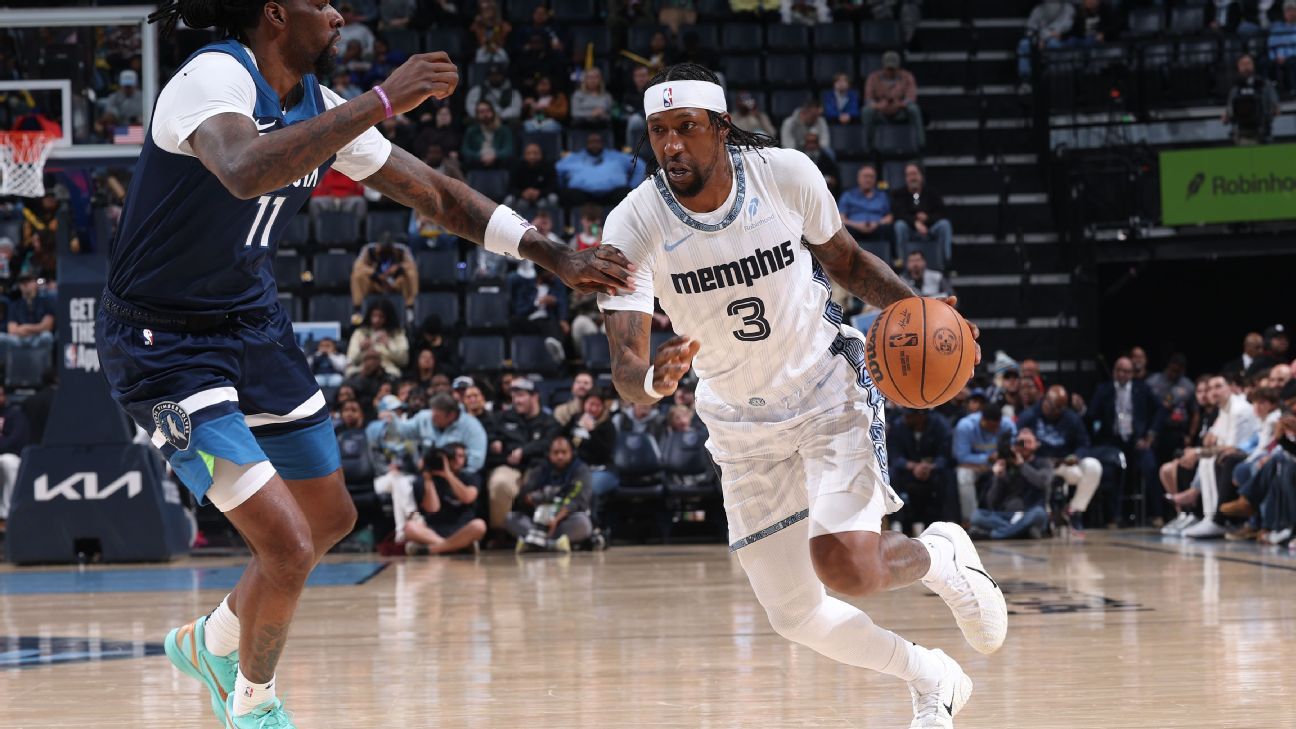
The Los Angeles Lakers have entered the final stretch of their offseason with a clear need for additional cap flexibility. While free-agency signings have filled several holes, the franchise still lacks a viable path to add a high-impact piece without exceeding the salary cap. The missing component, according to the latest league filings, is a sizable trade exception that the Memphis Grizzlies currently hold.
A trade exception allows a team to absorb a player’s salary without sending out matching contracts, provided the incoming salary does not exceed the exception amount. The Grizzlies acquired this particular exception through a series of roster moves earlier in the season, leaving them with a valuable asset that can be transferred to another club. Because the exception is not tied to a specific player, it can be used by any team willing to meet the league’s matching requirements.
For the Lakers, the presence of a trade exception of this magnitude would open the door to targeting a veteran who can contribute immediately on both ends of the floor. Their current roster features a mix of seasoned veterans and developing talent, but the front office has identified a need for a reliable stretch-four or a defensive specialist to complement the core. With the exception in hand, the Lakers could negotiate a trade that brings in such a player while preserving their existing contracts.
From a strategic standpoint, the Lakers’ potential partnership with Memphis underscores the fluid nature of the NBA’s trade market. Both clubs stand to benefit: the Grizzlies can package the exception for a draft pick or a role player, while the Lakers gain a mechanism to address roster gaps without sacrificing future cap space. This exchange also signals to other teams that the Lakers are ready to act, potentially influencing negotiations with other trade partners.
If the Lakers secure the Grizzlies’ trade exception, it would likely be the final piece needed to solidify their roster for the upcoming season. The ability to absorb a sizable contract without creating a cap crunch would give the franchise the confidence to pursue a player who fits their system. In a league where roster construction often hinges on subtle financial moves, this exception could be the catalyst that turns a promising offseason into a championship-contending lineup.