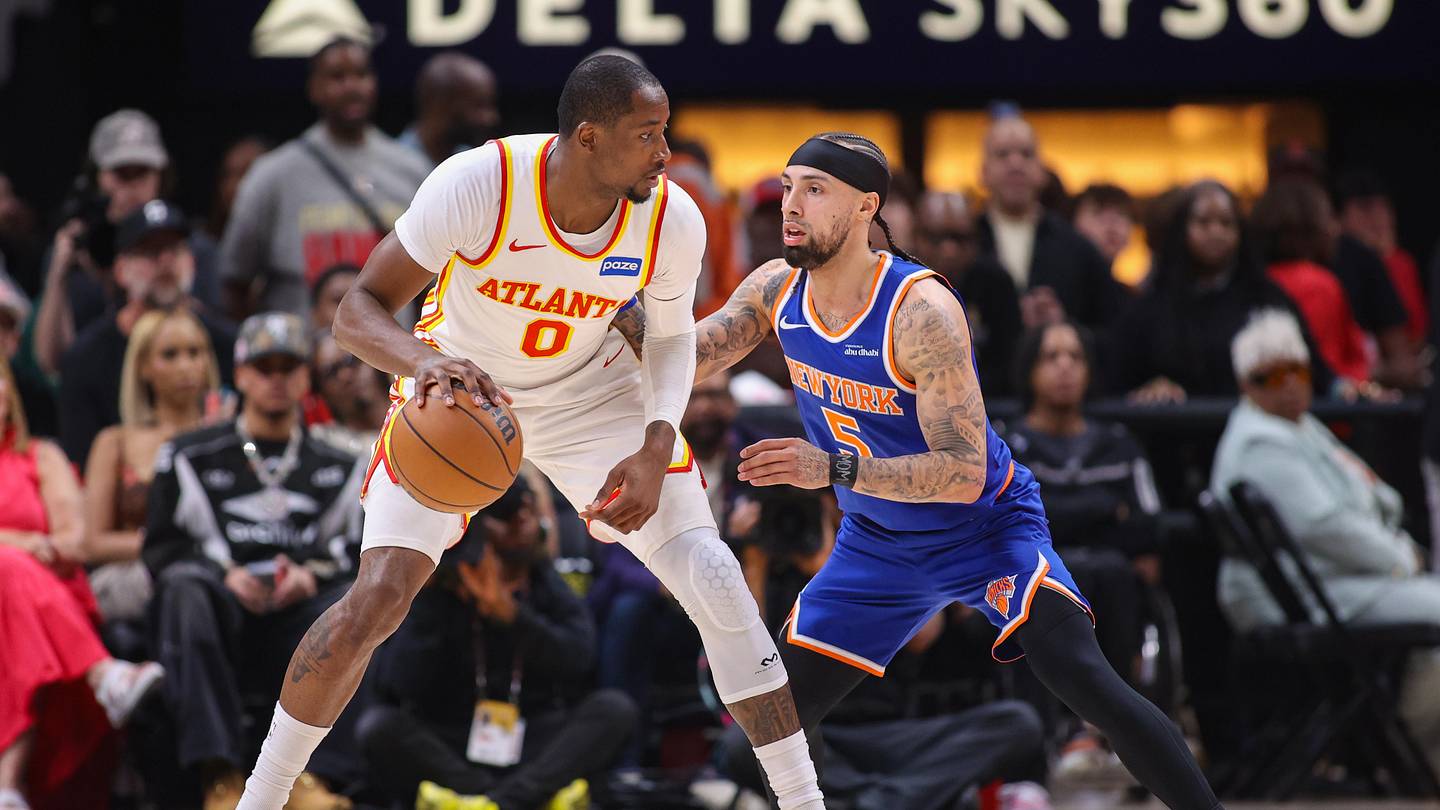
The Atlanta Hawks stand at a crossroads as the offseason approaches. The centerpiece of that crossroads is forward Jonathan Kuminga, whose $24.3 million team option for the upcoming season is set to be evaluated. While early chatter suggested a clean break, the more likely scenario is that the front office will decline the option and open negotiations for a new deal that keeps Kuminga in Atlanta.
Kuminga entered Atlanta on a contract that includes a team option, a mechanism that gives the Hawks control over his salary for the next year. The option’s dollar figure, $24.3 million, is sizable for a player who still has room to grow, and it forces the organization to weigh his upside against the flexibility the team needs to develop its young core.

From a basketball standpoint, Kuminga brings elite athleticism and a willingness to attack the rim. His ability to finish above the basket and create scoring bursts can energize the Hawks’ offense when they lack interior firepower. However, his perimeter shooting and playmaking are still developing, which means he can be inconsistent night to night. Defensively, his length and quickness allow him to guard multiple positions, but he must translate that potential into reliable, game-to-game contributions.
The Hawks’ roster strategy centers on a youthful nucleus that includes emerging talents such as Jalen Johnson and other recent draft picks. Maintaining financial flexibility is critical for a franchise that aims to add pieces through the draft and targeted free-agent signings. Declining Kuminga’s option would free up a significant amount of cap space, giving the front office room to maneuver without compromising the team’s long-term plan.
If the Hawks decline the option, the next step will be a negotiation window in which both sides can explore a longer-term contract that aligns Kuminga’s compensation with his projected role. Should talks stall, Kuminga would become an unrestricted free agent, allowing him to test the market and potentially sign elsewhere. Either outcome will have a ripple effect on Atlanta’s roster construction, influencing draft positioning, trade leverage, and the overall trajectory of the franchise’s rebuild.
 Atlanta Hawks