The Atlanta Hawks, fresh off an overachieving season, are reportedly considering a significant swing in the upcoming NBA Draft: a multi-team trade for an established star. This potential move, which would be the second consecutive year Atlanta has explored a draft-day trade, has generated considerable buzz, and could instantly put the Hawks back into Eastern Conference contention if successful. However, a deep dive into Atlanta's current roster and long-term needs suggests that sacrificing valuable draft capital for an established star might be the biggest mistake the franchise could make, especially given the talent in this year's class.
From a pure basketball perspective, a trade for an established star, while flashy, presents significant fit concerns. The Hawks already have a collection of versatile two-way guards. What Atlanta desperately needs, following the trade of Trae Young, is a true primary ball-handler and playmaker, or a legitimate center to complement Onyeka Okongwu. During the NBA Playoffs, the Hawks dealt with major problems because they did not have a younger go-to playmaking scorer and another true center.
The Hawks, as a playoff team with valuable draft picks this year, are in a prime position to address these foundational needs through the draft. They have openly stated they are exploring all options, including trading up or down with their first-round picks. The talent in this draft class, particularly at point guard and center, offers genuine franchise-altering potential. Sacrificing these opportunities for a potentially ill-fitting star goes against the strategic pivot the Hawks made by trading Trae Young for cap flexibility and a more balanced roster.
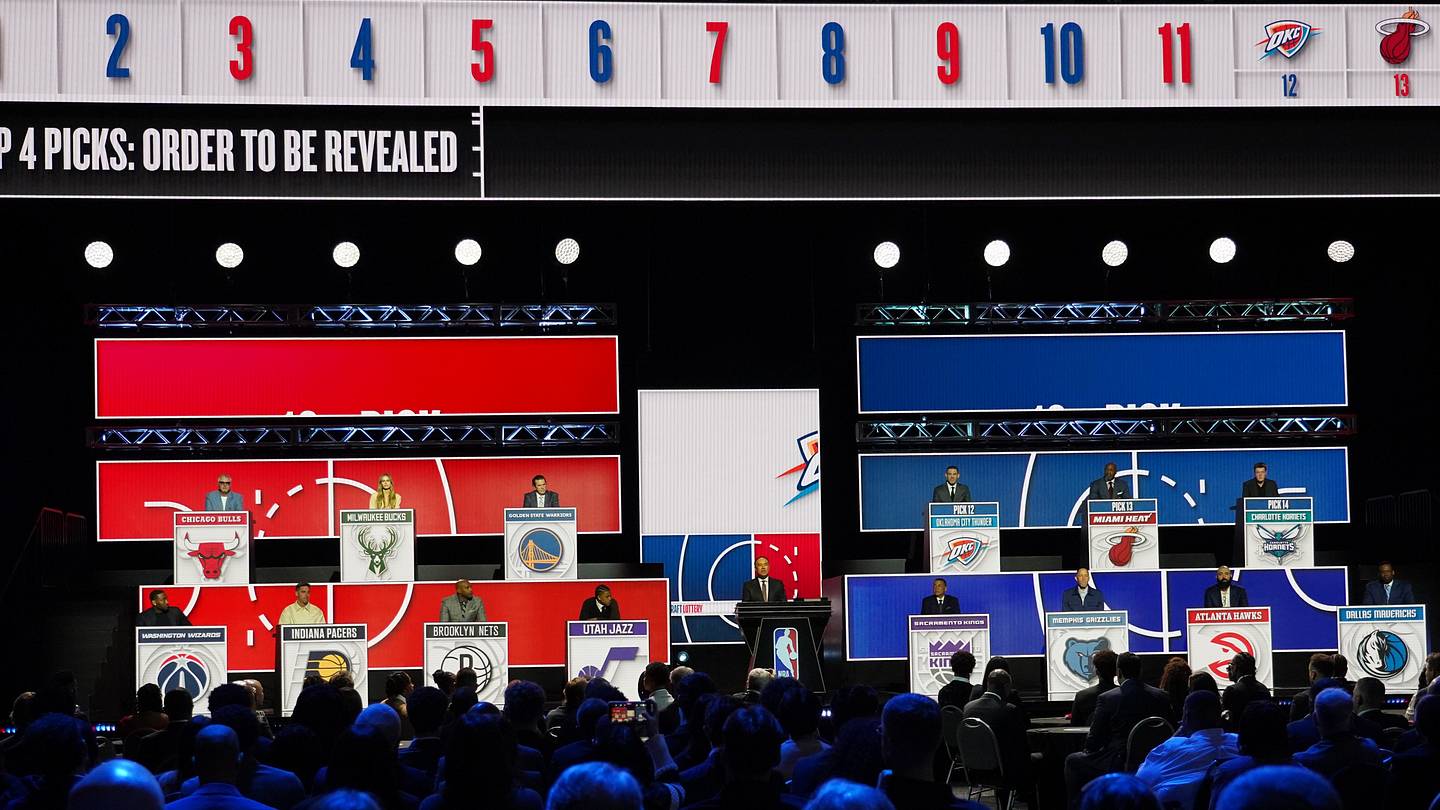
The 2026 NBA Draft is just days away, and the Hawks' decisions will set the tone for their immediate future. Whether they opt to package picks to move up for a top talent, or stay put and select a point guard or a big man, the path forward should prioritize long-term roster construction and fit over a splashy, short-sighted acquisition. The front office must resist the urge to chase a name and instead focus on addressing the team's glaring positional weaknesses with young, cost-controlled talent.
 Atlanta Hawks