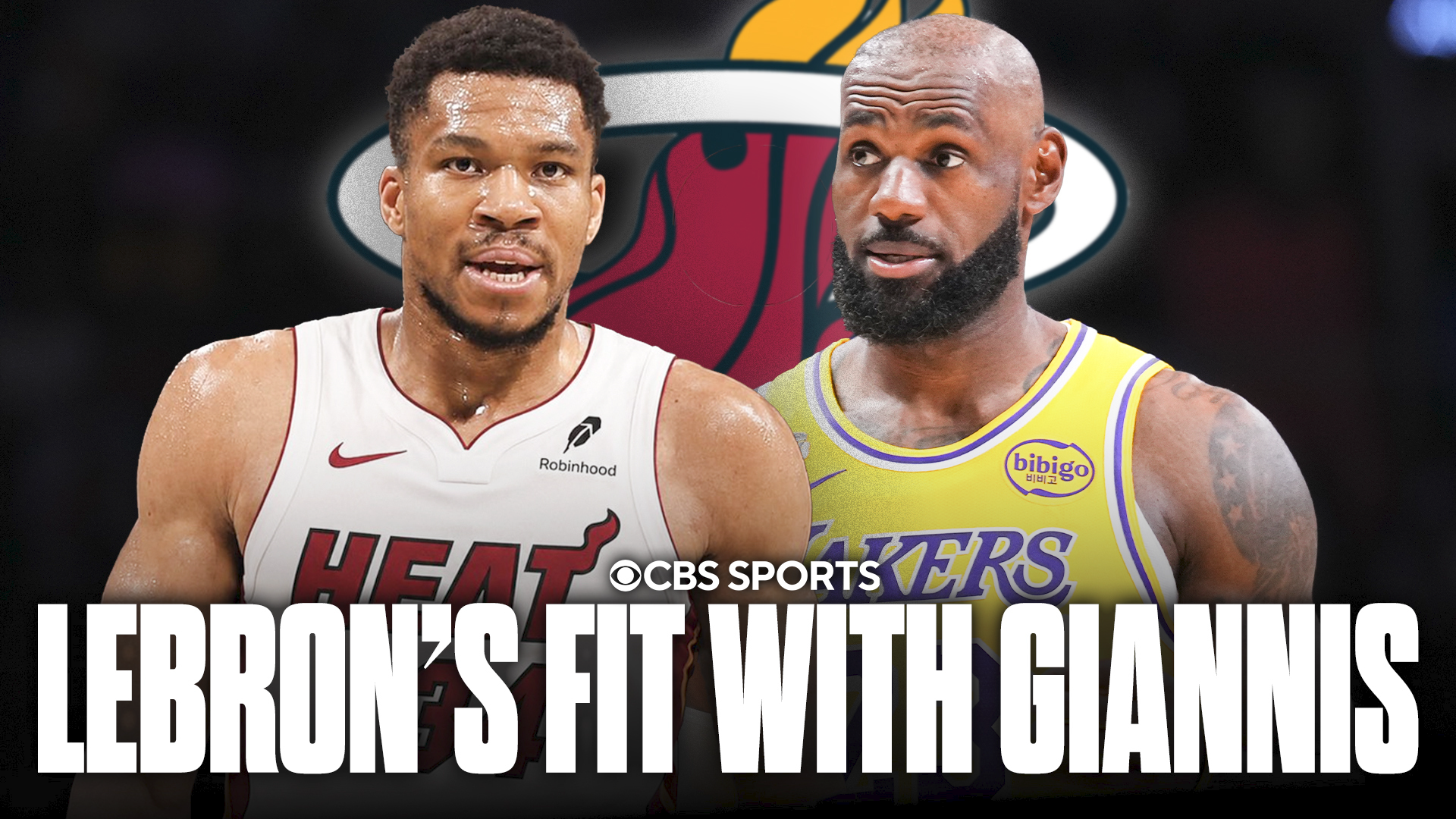
Miami has spent the month since the Giannis Antetokounmpo trade doing the unglamorous half of contention: finding guards who can dribble, on money the Heat do not really have. Russell Westbrook is the name that keeps circling back to that job. Friday brought the sharpest reason yet to think Miami walks away from it.
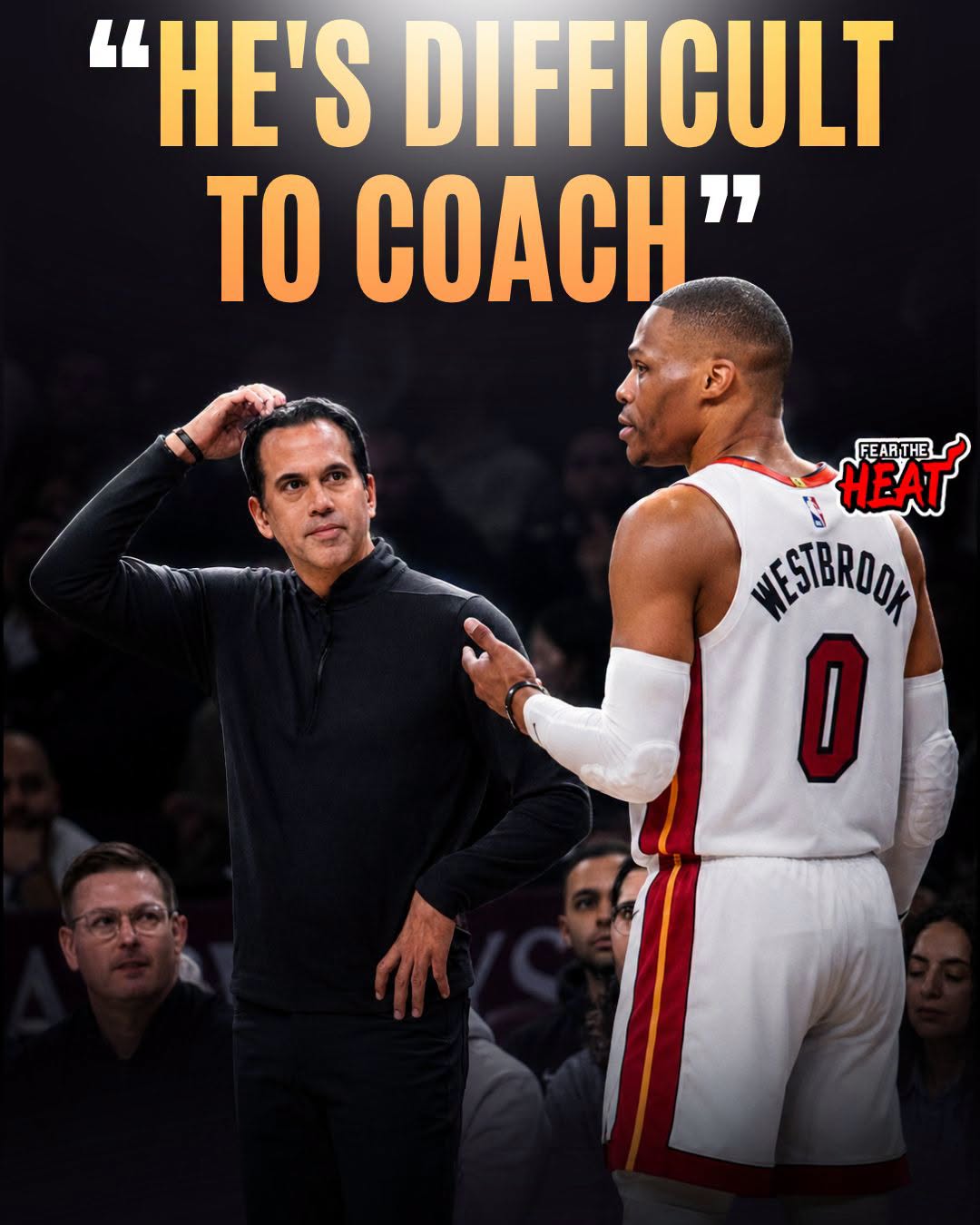
The report is narrow and it is worth keeping it narrow. A coach whom Erik Spoelstra trusts told him he had advised the Heat not to sign Westbrook, and described the 37-year-old as difficult to coach. That is one voice, delivered privately, relayed secondhand, from a person whose name is not attached to it. It is not a front office decision and it is not a scouting consensus.
What surrounds it is the more revealing part. Miami has been running background on Westbrook the way Miami runs background on everyone, by calling people it trusts who have actually worked with him, and the feedback that came back was mixed. The phrase used to describe it was that the input has not been an overwhelming endorsement. That is careful language, and careful language usually means the club heard enough good to keep the file open and enough bad to slow down.
None of it is about the production, because the production was fine. Westbrook played 64 games for Sacramento last season and averaged 15.2 points, 6.7 assists, 5.4 rebounds and 1.3 steals, shooting 33.8 percent from three, all of it on a veteran minimum contract. For a team shopping in the bargain aisle, that is the single most attractive stat line available. He is also 37, and a minimum-salary market is where 37-year-olds live regardless of what they averaged.
The people who spent last season with him tell a different story than the one Miami is being warned about. Kings coach Doug Christie pushed back on the characterization directly, saying that the version of Westbrook that gets discussed publicly is not the one he coached and calling him truly passionate. Maxime Raynaud, who made second-team All-Rookie in that locker room, described Westbrook as one of the best veterans he could have hoped for and said the two of them talked constantly about his confidence and about life away from the floor. Those are not throwaway quotes. They are the exact testimonials a front office wants when it calls around.
Both versions can be accurate at once, which is why this kind of intel is so hard to act on. A player can be generous with rookies, genuinely invested, first into the gym, and still be complicated to build a rotation around. The Westbrook objection has never really been about attitude. It is that he needs the ball to be useful, that he cannot be hidden off it, and that the shot chart forces defenses to make a choice most coaches would rather not offer them. Ask a coach whether he wants Westbrook in his locker room and he says yes. Ask whether he wants to solve Westbrook's minutes in a playoff series and the answer gets quieter.
Miami's roster makes that second question urgent. The Heat sent out Tyler Herro, Kel'el Ware, Jaime Jaquez Jr. and Kasparas Jakucionis in the Antetokounmpo deal, which took most of their guard depth and their shot creation with it. What is left on standard contracts is Antetokounmpo, Bam Adebayo, Andrew Wiggins, Nikola Jovic, Bobby Portis, Davion Mitchell, Dru Smith, Pelle Larsson, Myron Gardner and Ryan Conwell. Norman Powell is an unrestricted free agent that Miami holds Bird rights on. That is a top-heavy roster with a real hole at lead guard and almost no flexibility to fill it, which is precisely the situation that makes a minimum-priced former MVP look like the obvious answer.
It also explains why the warning landed the way it did. The Heat have been linked to Westbrook mostly as the fallback if their pursuit of LeBron James goes nowhere, and a fallback gets less benefit of the doubt than a target. When you are choosing between a name and a roster spot you can leave open, one bad phone call is enough.
The irony sitting underneath this is that Spoelstra is the coach most often nominated as the one person who could make it work. He defines roles bluntly, he holds veterans to the same defensive standard as everyone else, and he has spent two decades turning players other teams had given up on into rotation pieces. The argument for Westbrook in Miami has always been that Heat culture is the structure he has lacked since the Thunder. But the caution here did not come from a rival executive or a talent evaluator with an agenda. It came from inside the group of coaches Spoelstra actually listens to, from someone who was asked and answered honestly.
That is the part Miami has to weigh. The Heat's process is built on trusting the people it calls, and this time the people it called did not clear him. Westbrook remains unsigned, Sacramento has shown no interest in a reunion, and the market for a 37-year-old guard who needs the ball is not deep. Miami has the need, the minutes and the reputation for fixing exactly this kind of player. What it does not have, at least not yet, is a room full of people telling it to.