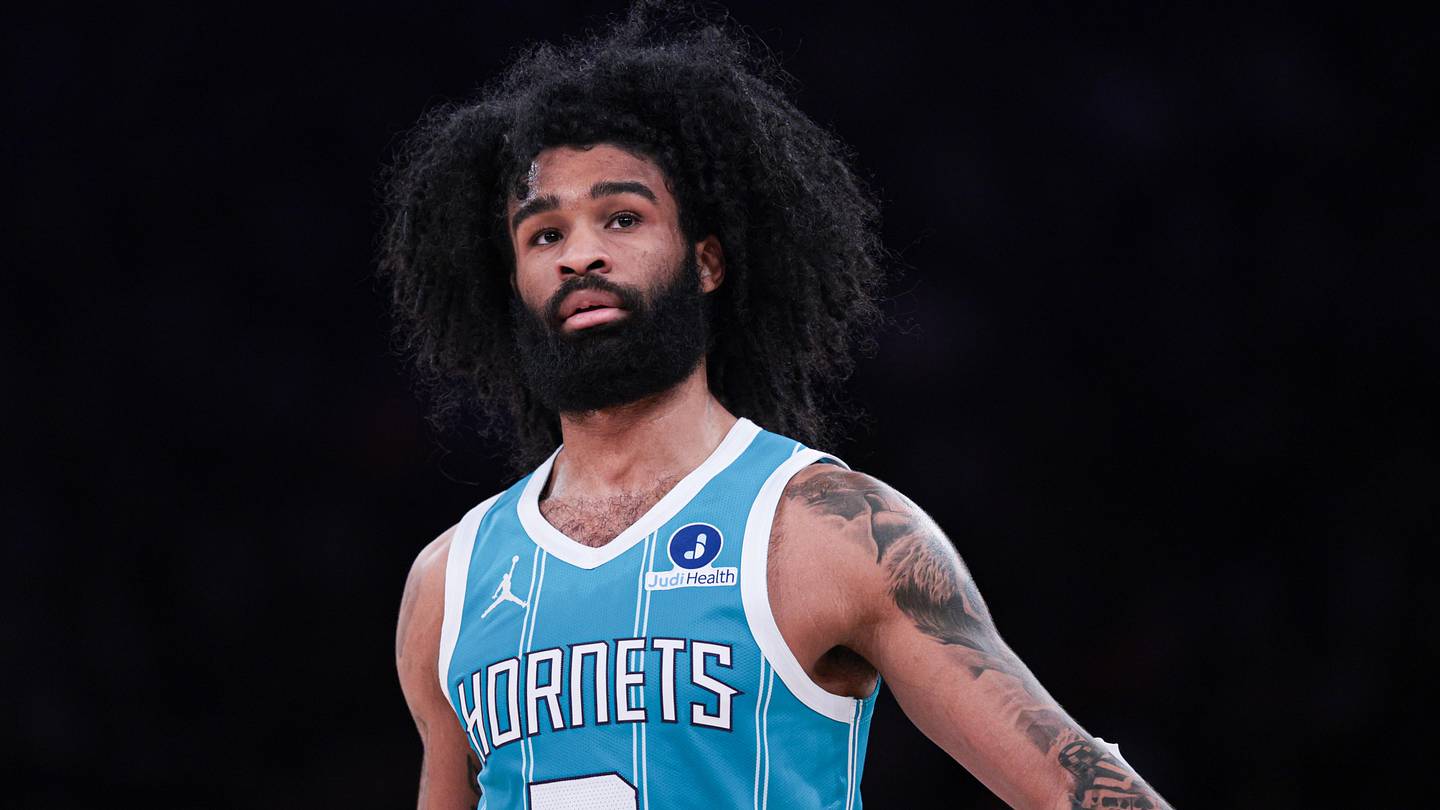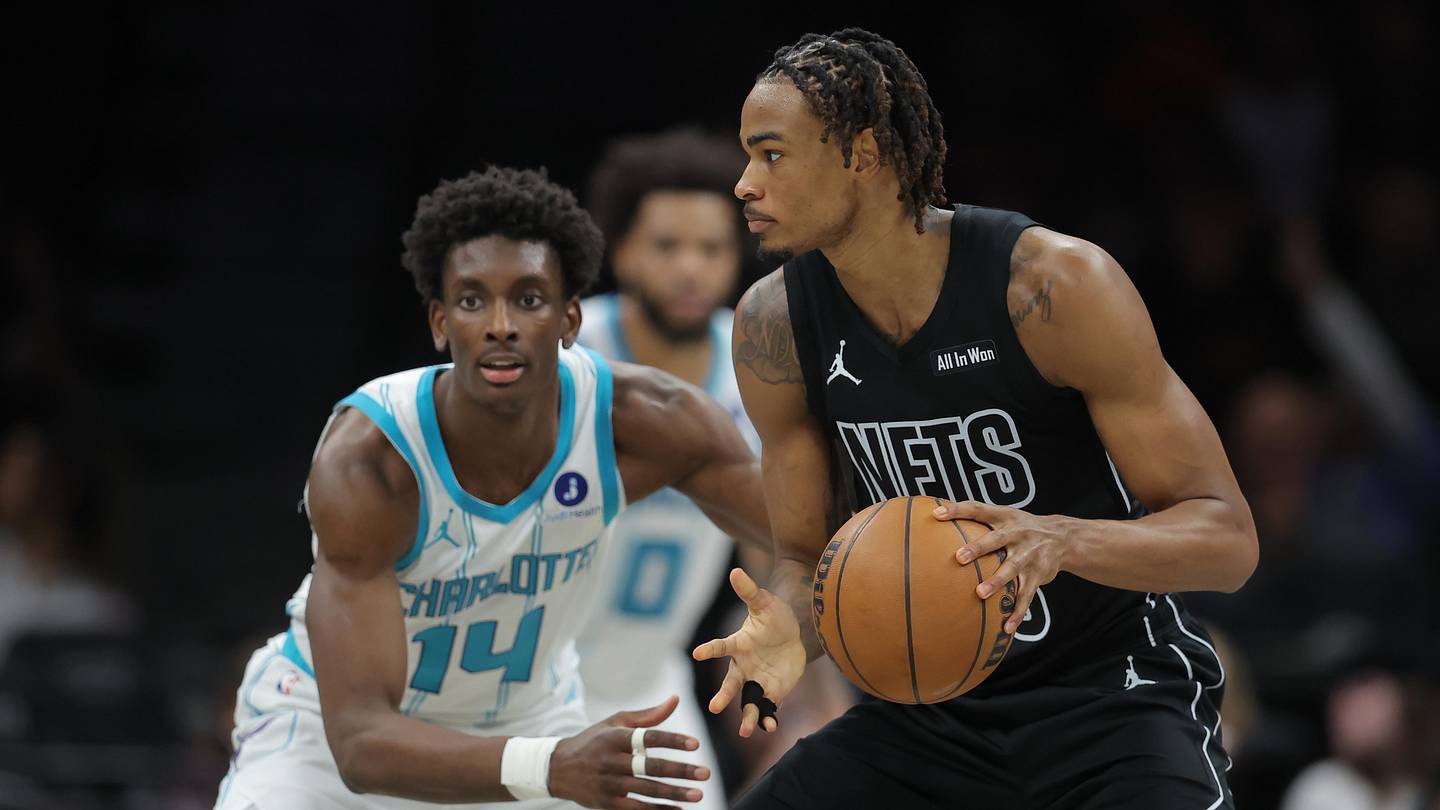
James Plowright outlined the Hornets' strategy heading into the NBA draft, emphasizing that Charlotte holds a blend of draft capital and contract flexibility that could fuel a significant trade. He noted that the window for moving assets is tightening as the league approaches the draft, and the front office is actively evaluating how best to leverage its holdings.
The Hornets own a first-round selection and a second-round pick, both of which can serve as valuable trade pieces. In addition, the roster includes several veteran contracts that will expire after the season, providing cap space and potential salary relief for any incoming talent. This combination of draft assets and contract levers makes Charlotte an attractive partner for teams looking to offload salary or acquire future picks.
From a basketball perspective, the Hornets are seeking a front-court upgrade to complement their young guard core. Adding a stretch big who can space the floor or a defensive anchor to protect the paint would address a clear weakness that has plagued the team all season. A veteran with playoff experience could also accelerate the development of the franchise’s emerging players by providing on-court mentorship and stability.
The approach mirrors a pattern the Hornets have followed under the current front office: use draft assets to acquire proven talent, then consider flipping that talent for additional picks if market conditions shift. Recent moves have shown the organization’s willingness to be aggressive in the trade market, a stance that could influence other Eastern Conference clubs as they recalibrate their own asset portfolios.
Ultimately, the Hornets stand at a crossroads where their pool of assets could either catalyze a rapid ascent or cement a longer rebuilding timeline. The decisions made in the coming weeks will determine whether Charlotte positions itself as a contender now or continues to rely on future drafts to climb the league hierarchy.

 Charlotte Hornets