The Charlotte Hornets enter the upcoming draft with a clear crossroads: whether to reach for a physically built combo guard who has slipped out of the early first round. The franchise’s recent experience with a projected lottery talent slipping to a later spot serves as a cautionary backdrop, prompting the front office to consider the risk of letting a promising name fall further.
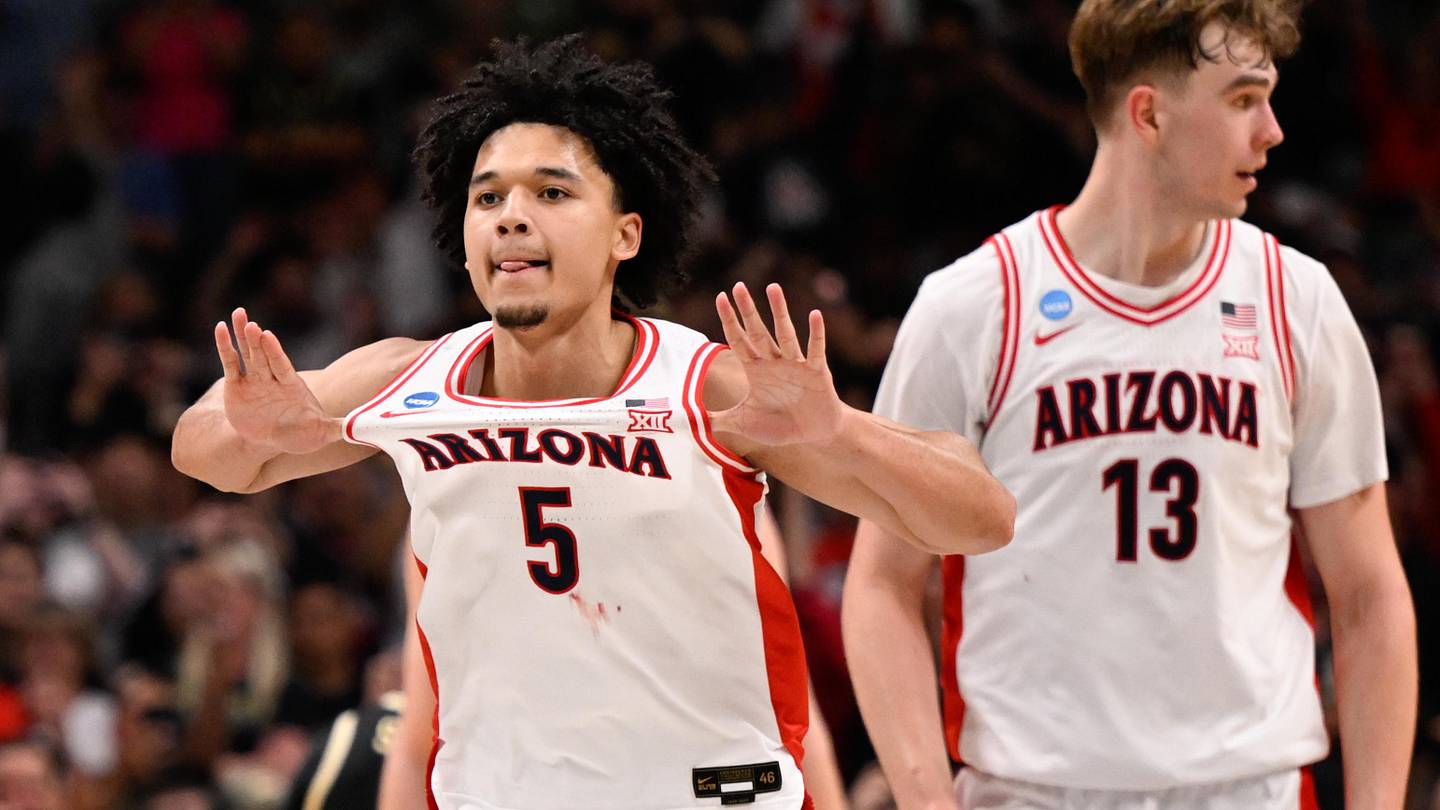
Burries is a 20-year-old who spent a single collegiate season at the University of Arizona. He measures six foot three inches with a six foot six inch wingspan, dimensions that sit on the smaller side for a two-guard at the NBA level, yet he entered the combine weighing 215 pounds. That bulk grants him the ability to absorb contact on the perimeter and compete against larger wing players despite the modest length of his arms.
On offense, Burries proved himself as a score-first guard. He posted a three-point percentage of thirty-nine point one percent while shooting on modest volume in a system that limited his opportunities. The skill set he displayed, getting to his jumper both off the catch and off the dribble, suggests that a professional environment could see an increase in both attempts and efficiency from beyond the arc. His ability to finish inside the arc was also evident in a high field-goal rate, indicating a well-rounded scoring toolbox.
The Hornets’ recent draft history includes the slip of Dalton Knecht, who was projected as a lottery pick but ultimately landed with the Los Angeles Lakers after falling well beyond his expected position. That episode underscores the importance of timing in the draft process; allowing a name to drift too far can result in a missed opportunity. Alongside Burries, the draft board also lists other prospects, but none combine the size, strength, and proven shooting touch that Burries offers.
In the end, the decision rests on weighing potential versus certainty. Selecting a player who has already shown a blend of physicality and shooting skill could give Charlotte a guard capable of contributing early, while passing could risk losing him to the second round. The organization must decide whether the upside of securing Burries now outweighs the comfort of waiting for a later selection.
 Charlotte Hornets