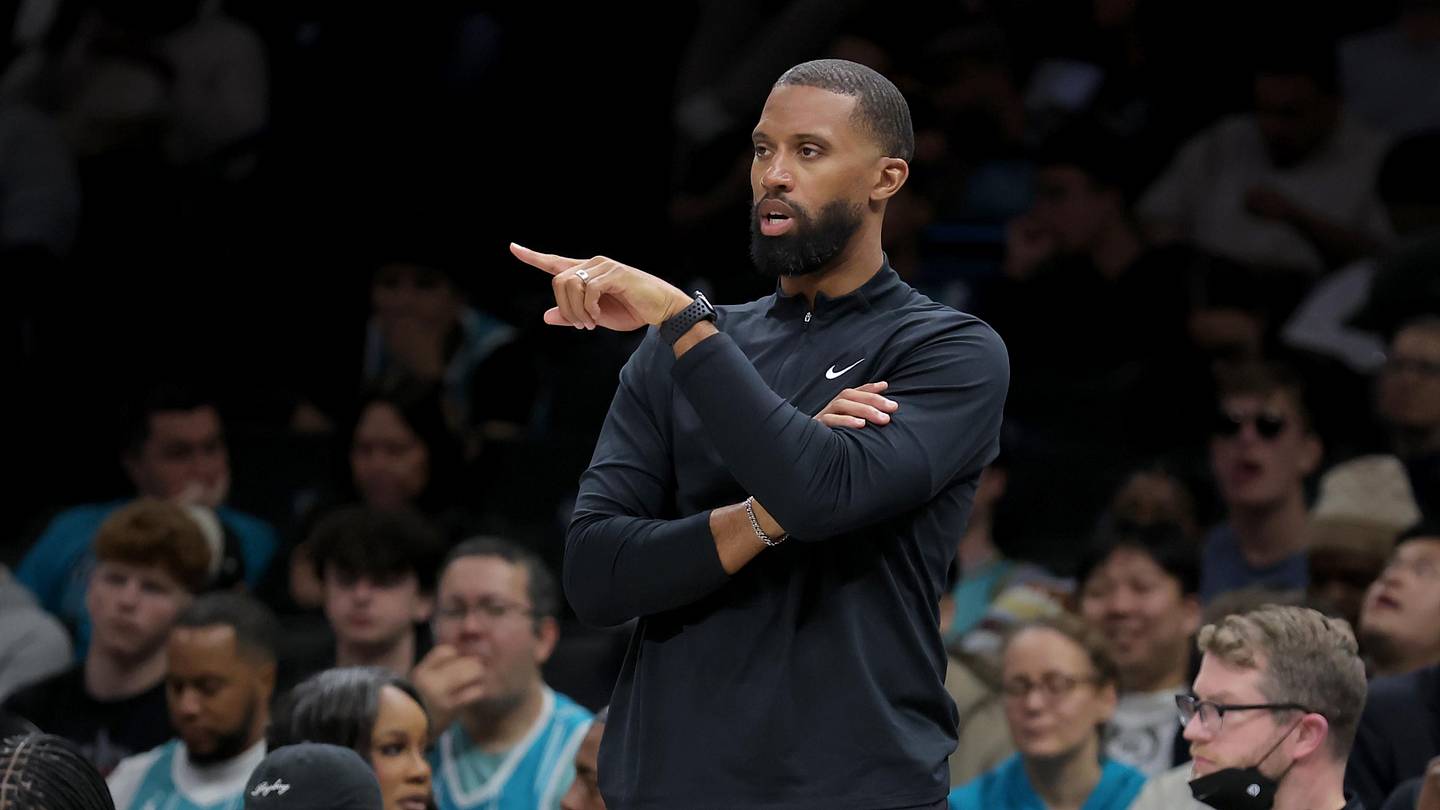
The Charlotte Hornets have identified Harrison Barnes as a potential target when free agency opens in July 2026. Barnes, a 14-year veteran and 2015 NBA champion with the Golden State Warriors, enters the summer as an unrestricted free agent after his time with the Sacramento Kings. The 34-year-old forward brings immediate veteran presence and floor spacing to a young Hornets roster still searching for consistent frontcourt production.
Barnes has maintained steady efficiency across recent seasons, shooting above 38 percent from three in multiple years while logging heavy minutes without major injury setbacks. His ability to stretch defenses and handle secondary playmaking duties stands out against Charlotte's current mix of young wings who often struggle with spacing. Those numbers reflect a player who still commands respect in pick-and-pop actions and transition, even as his athleticism has naturally declined.
Barnes fits the Hornets' need for a reliable 3-and-D forward who can guard multiple positions without demanding touches. His experience in championship environments and high-stakes playoff series would provide a steadying influence alongside LaMelo Ball and the developing core, particularly in late-game execution where Charlotte has lagged. The fit emphasizes complementary skills rather than star power, aligning with a roster that prioritizes development over immediate contention.
This pursuit reflects the front office's ongoing pattern of adding low-risk veterans to bridge gaps while preserving draft capital and flexibility. The Hornets have collected assets through recent trades and hold multiple first-round picks in the 2026 draft, giving them leverage to build around internal growth rather than splashy signings. Rivals in the Eastern Conference continue to load up on wing depth, making Barnes a calculated addition that avoids overcommitting resources.
Free agency begins in early July, with Barnes likely to receive multi-year offers from teams seeking veteran stability. The Hornets must weigh his market value against their cap sheet and decide whether a two-year deal makes sense before turning attention to their own restricted free agents and draft preparations.
Barnes returning to North Carolina, where he played at UNC, would add a narrative layer but ultimately hinges on whether his spacing and defense translate to a team still one or two pieces from real contention. Charlotte's front office has shown patience in recent offseasons by focusing on incremental upgrades that allow LaMelo Ball more breathing room on the floor and better options in half-court sets. Adding a forward with Barnes' track record could stabilize the second unit and improve defensive versatility on the wings without disrupting the long-term plan built around high draft picks.
 Charlotte Hornets