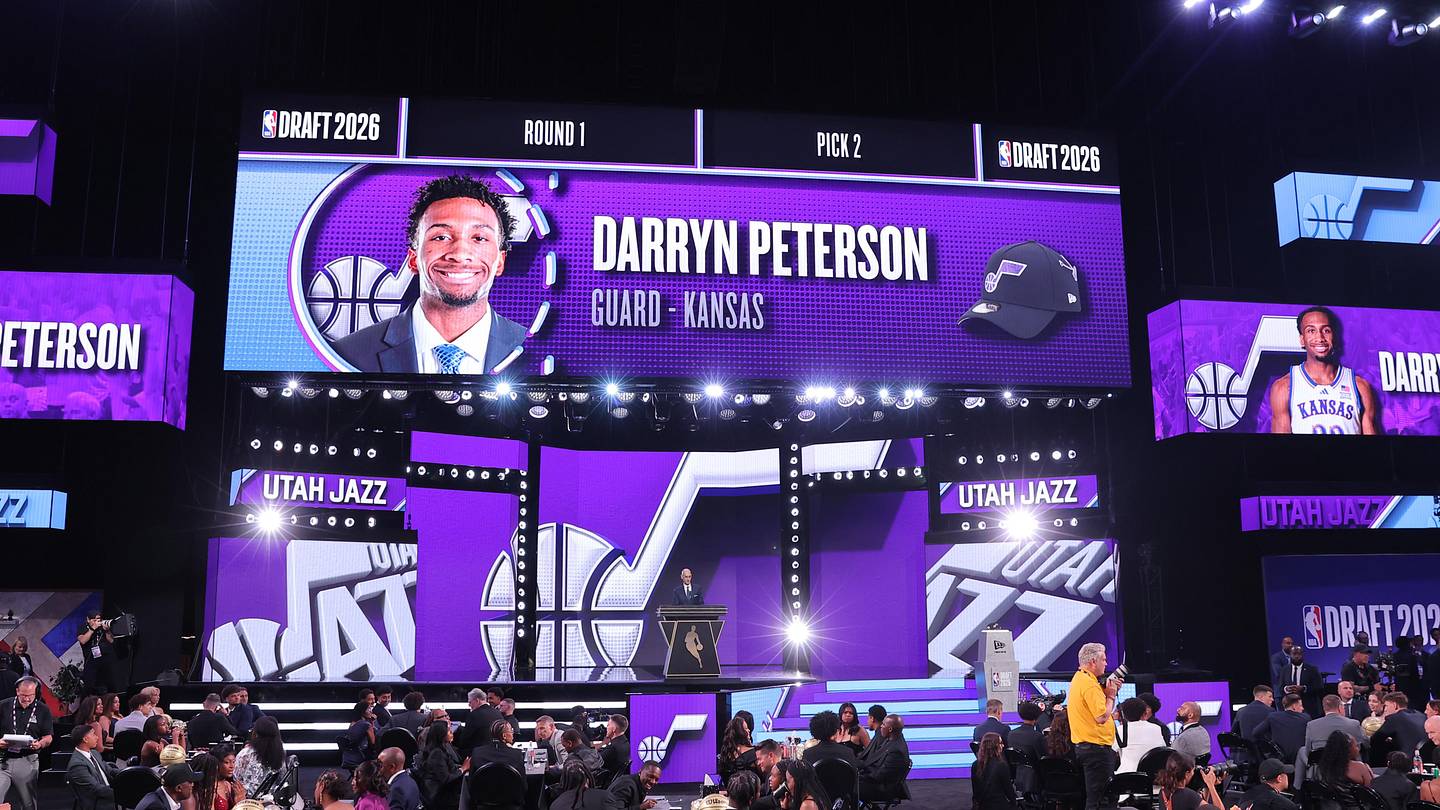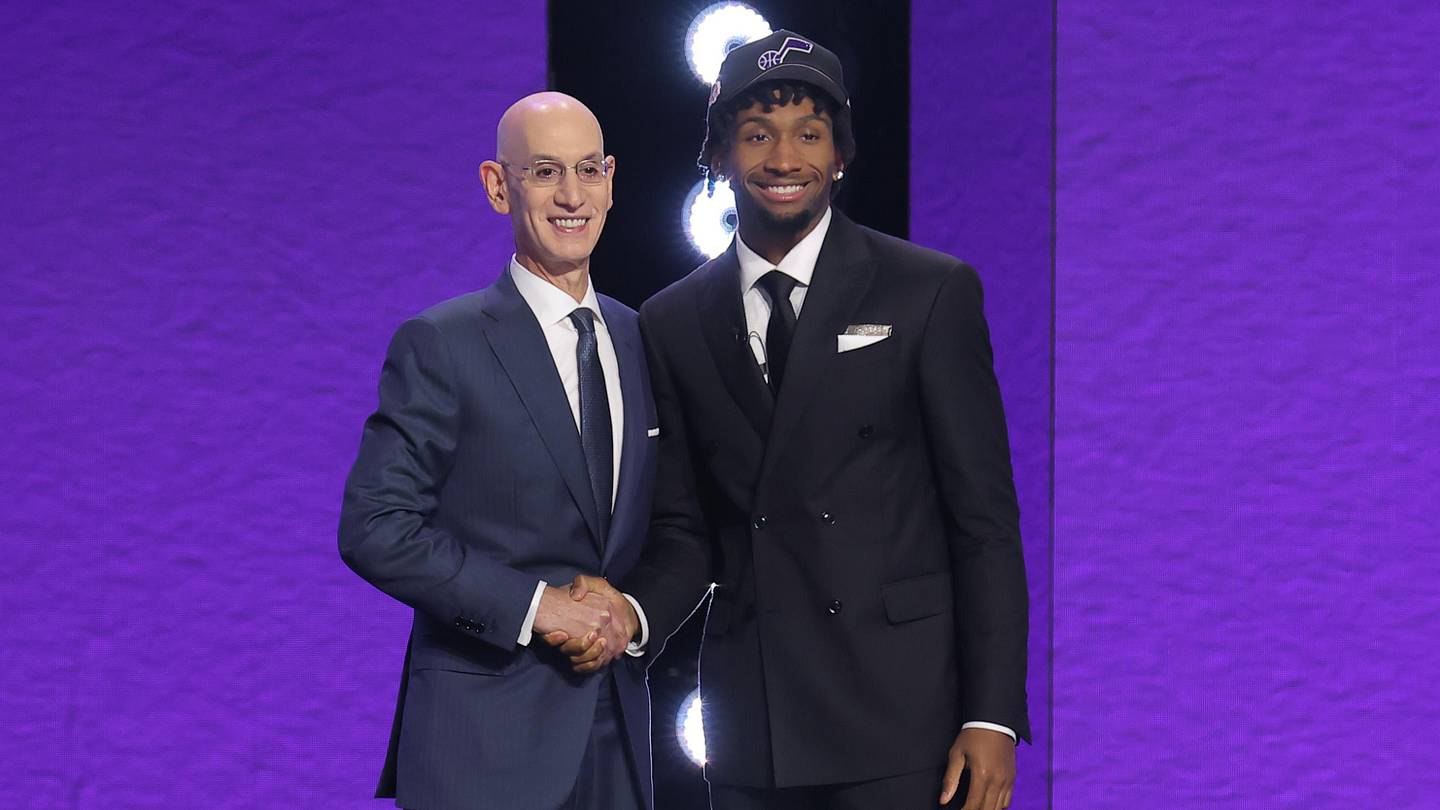
The Utah Jazz used their early selection in the 2026 NBA Draft to choose former Kansas guard Darryn Peterson. The draft began with former BYU standout AJ Dybantsa announced as the No. 1 pick by NBA Commissioner Adam Silver, followed by Peterson at No. 2. The decision placed a highly regarded guard from Canton, Ohio, into a franchise that has been searching for a versatile backcourt presence.
Leading up to the draft, there was widespread speculation that Peterson might be hesitant to join Utah because his only private pre-draft workout had been with Washington. In a post-draft interview, Peterson directly addressed those rumors, stating, “I remember telling my agent I know I want to be the number one pick but I have a great connection with Utah... I think when I didn’t workout for them there was a misconception that I didn’t want to play for Utah.” His comments clarified that his focus was on competition and the opportunity to grow, rather than geography.
Peterson also spoke about his desire to be selected ahead of his longtime rival Dybantsa, emphasizing that the motivation was rooted in proving himself as a competitor. While he did not take part in private workouts with the Jazz, he conducted interviews with several NBA teams, a distinction he felt was mischaracterized by some media outlets. This interview pattern underscores his confidence in navigating the draft process on his own terms and suggests a player who is comfortable managing his own narrative.
On the court, Peterson is known for tenacious defense and the ability to run the ball in transition. His reputation as a gritty defender and playmaker aligns well with the Jazz’s backcourt needs, offering a guard who can guard multiple positions while facilitating offense. Coaches and analysts have highlighted his willingness to take on defensive assignments and his basketball IQ as assets that could translate quickly to the professional level.
Looking ahead, Peterson’s integration into the Jazz roster will be closely monitored as the team evaluates his development. The organization appears poised to give him meaningful minutes early in the season, trusting his defensive instincts and transition play to complement the existing roster. If he can adapt to the pace and physicality of the NBA, he has the potential to become a key contributor for Utah and help shape the franchise’s future direction.

 Utah Jazz