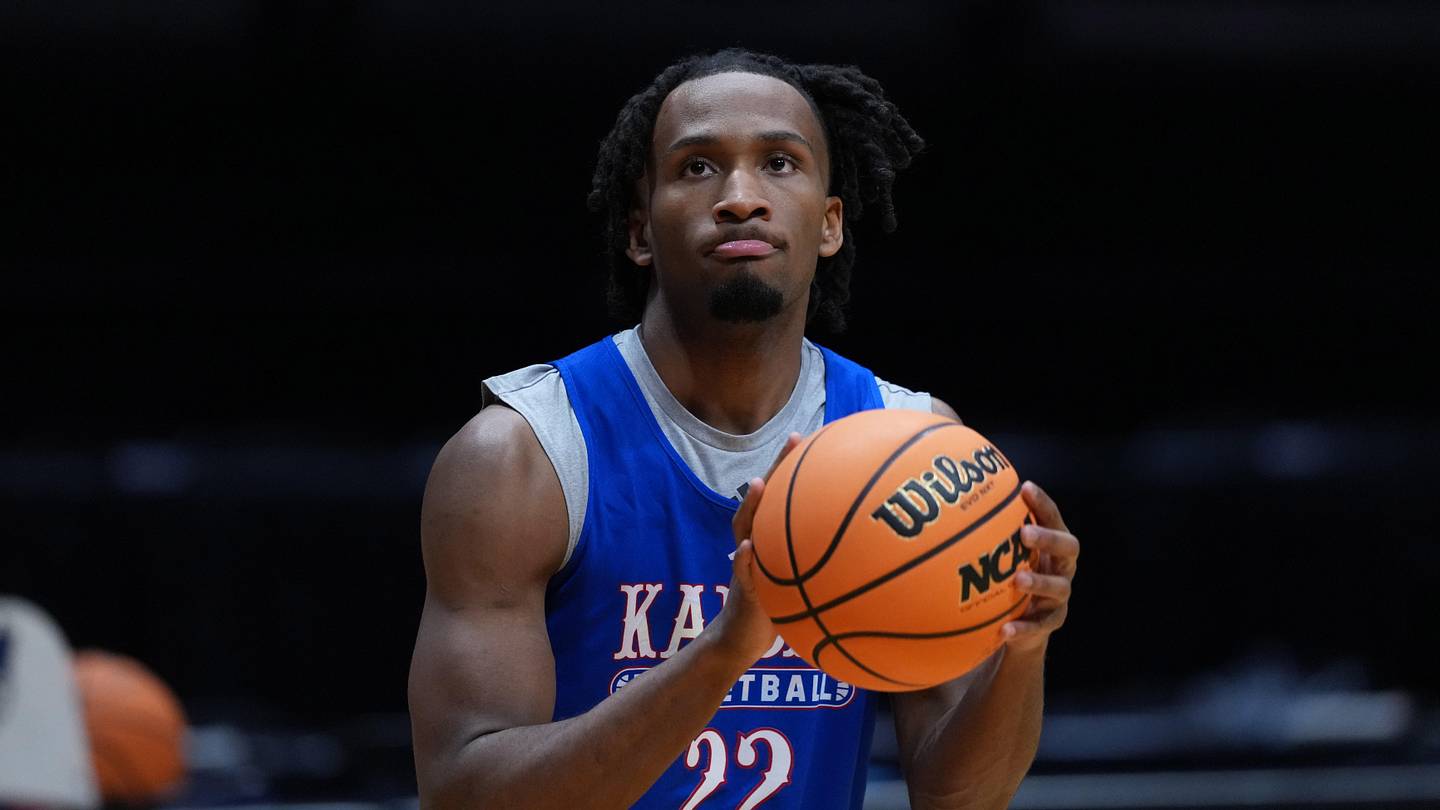
The practice facility in Salt Lake City remains quiet as the clock ticks toward Tuesday night. While most prospects spend these final days conducting private workouts and meeting with front office executives, the most discussed name on the Utah Jazz board is nowhere to be found. Peterson, the standout from Kansas, has declined to work out for the organization, creating a cloud of uncertainty around the second overall pick in the 2026 NBA Draft.
This lack of direct access would paralyze many front offices, especially those picking in the top three. For the Jazz, however, this silence is a familiar hurdle that rarely dictates their final decision. The organization is now four years into a comprehensive rebuild, and the pressure to secure a franchise-altering talent outweighs any concerns about pre-draft posturing or agent-led leverage plays.
Sports Illustrated has highlighted that Peterson remains the favorite for the Jazz despite his refusal to visit the facility. This approach mirrors the team's handling of Ace Bailey during last year's draft cycle.
When Bailey showed similar hesitancy to engage with the team before the draft, Utah did not blink. They prioritized their internal scouting and long-term evaluation over a single afternoon of drills, eventually submitting the card with his name on it regardless of the optics.
That precedent suggests the Jazz are more concerned with Peterson's two-way ceiling than his willingness to fly into town for a physical. Scouts view Peterson as a rare prospect who can influence the game at both ends of the floor, offering the kind of wing versatility that is increasingly difficult to find.
His ability to apply rim pressure while maintaining a high defensive floor makes him a natural fit for a roster still searching for its primary identity.
There are legitimate questions regarding his health, specifically the injury concerns that flared up during his time at Kansas. These issues briefly threatened his status as a top-three lock earlier in the season.
However, pre-draft intel suggests these medical red flags are not expected to follow him into his professional career. Teams have reportedly become more comfortable with his long-term outlook as they dig into the specifics of his recovery and physical profile.
If the medical reports hold steady, Peterson remains neck-and-neck for the title of the best prospect in this class. The only factor truly out of Utah's control is the Washington Wizards. Holding the first overall pick, Washington has the power to dismantle Utah's plans before the Jazz even have a chance to respond. If the Wizards decide that Peterson is the centerpiece of their own future, the Jazz will be forced to pivot quickly.
Much of the league's attention is focused on whether Washington prefers AJ Dybantsa at the top spot. Dybantsa offers a different offensive profile that could be more attractive to a Wizards team looking for a high-volume scoring threat.
Should Peterson fall to number two, the Jazz would likely view it as a major victory for their scouting department. They have spent years accumulating assets and positioning themselves for this specific moment in the draft order.
Selecting at number two carries significant financial implications and roster-building stakes. The salary slot for a second overall pick creates a substantial cap hold, but the value of a high-end rookie contract remains the most efficient way to build a contender. For a team like Utah, which must be strategic with its leverage in trade discussions and free agency, hitting on this pick is a requirement for the next phase of their development.
Lineup fit will be a primary consideration for the front office as they evaluate how Peterson or Dybantsa would mesh with the existing young core. The Jazz have spent the last few seasons experimenting with various rotations, searching for a combination that offers both floor spacing and defensive toughness.
A player with an elite two-way ceiling would solve multiple problems at once, allowing the coaching staff to be more creative with their small-ball looks and transition offense.
Fans have expressed a mix of anxiety and excitement as the draft approaches. The memory of previous high-lottery picks still lingers, and the fan base is eager for a player who can provide an immediate impact. While the Reddit consensus often focuses on the drama of workout snubs and prospect interviews, the Jazz front office appears focused on the more objective data found in game film and athletic testing.
This draft is widely considered the most pivotal moment for the franchise since they began their current trajectory four years ago. The decision made on Tuesday night will dictate the team's trade value and flexibility for years to come. If they choose correctly, they secure a cornerstone. If they miss, the timeline for returning to playoff contention could be pushed back significantly.
Peterson's refusal to work out is likely an attempt to influence his landing spot, a common tactic for high-level prospects and their representatives. By limiting access, agents often try to steer their clients toward larger markets or specific coaching situations. Utah has shown that they will not be bullied by these maneuvers, trusting their own evaluations over the narrative of the week.
As the Jazz prepare to go on the clock, the focus remains on the long-term potential of the player rather than the short-term friction of the process. The front office knows that once a player puts on the jersey and begins producing on the court, the details of their pre-draft workout schedule are quickly forgotten.
The goal is to find a player who can handle the physical rigors of an eighty-two game season while providing the rim pressure needed to collapse modern defenses.
There is a certain level of risk inherent in drafting a player with past injury concerns, but the rewards of a two-way star are too great to ignore. The Jazz have spent years tearing down and building back up to reach this exact position in the lottery. They have the draft capital and the roster spots to accommodate a high-usage rookie, and they have the patience to let a player develop at their own pace.
Tuesday night represents the culmination of thousands of hours of scouting and internal debate. Whether it is Peterson, Dybantsa, or a surprise selection, the Jazz are positioned to make a move that will define the franchise for the rest of the decade. The silence from Peterson's camp may be loud, but the Jazz have proven they can hear the talent through the noise.
The final decision will ultimately rest on how the Jazz view the gap between the top prospects in this class. If they believe Peterson is the clear choice, no amount of missed workouts will keep them from making the pick. The franchise has reached a point where they can no longer afford to play it safe, and the second overall pick is the ultimate opportunity to take a swing at greatness.
 Utah Jazz