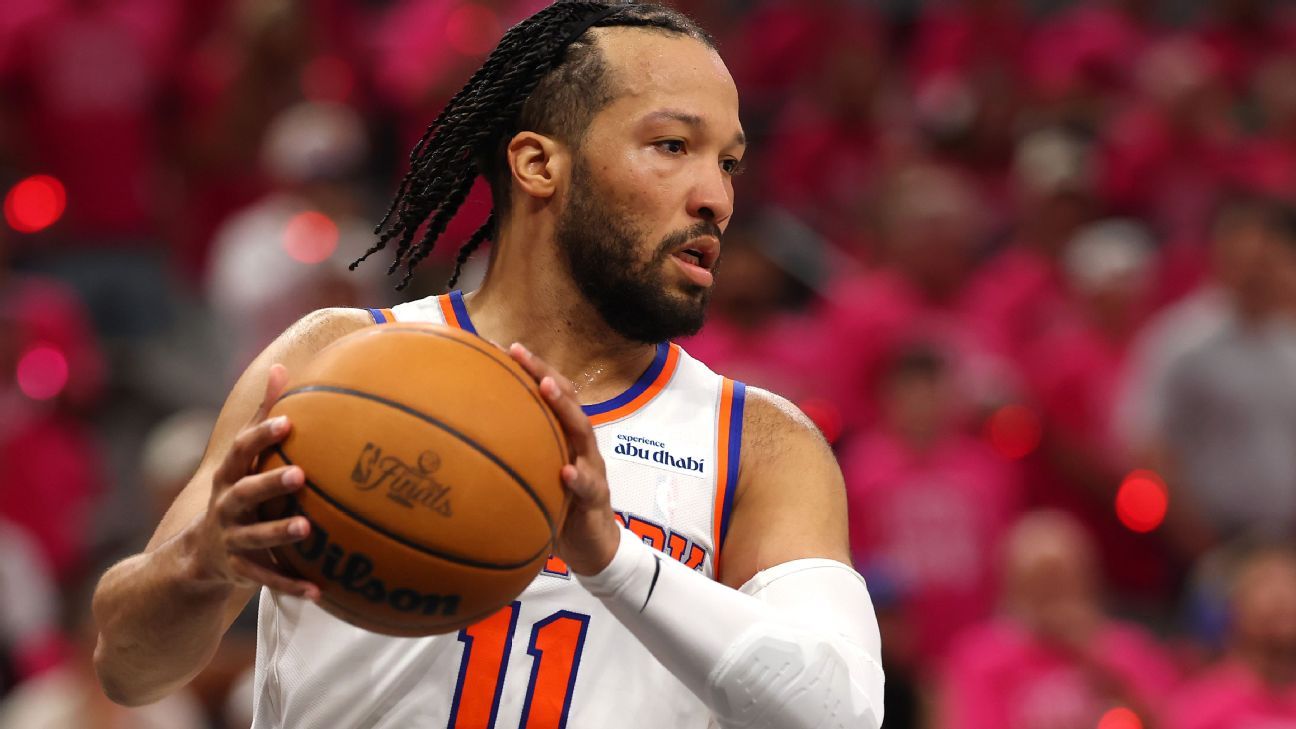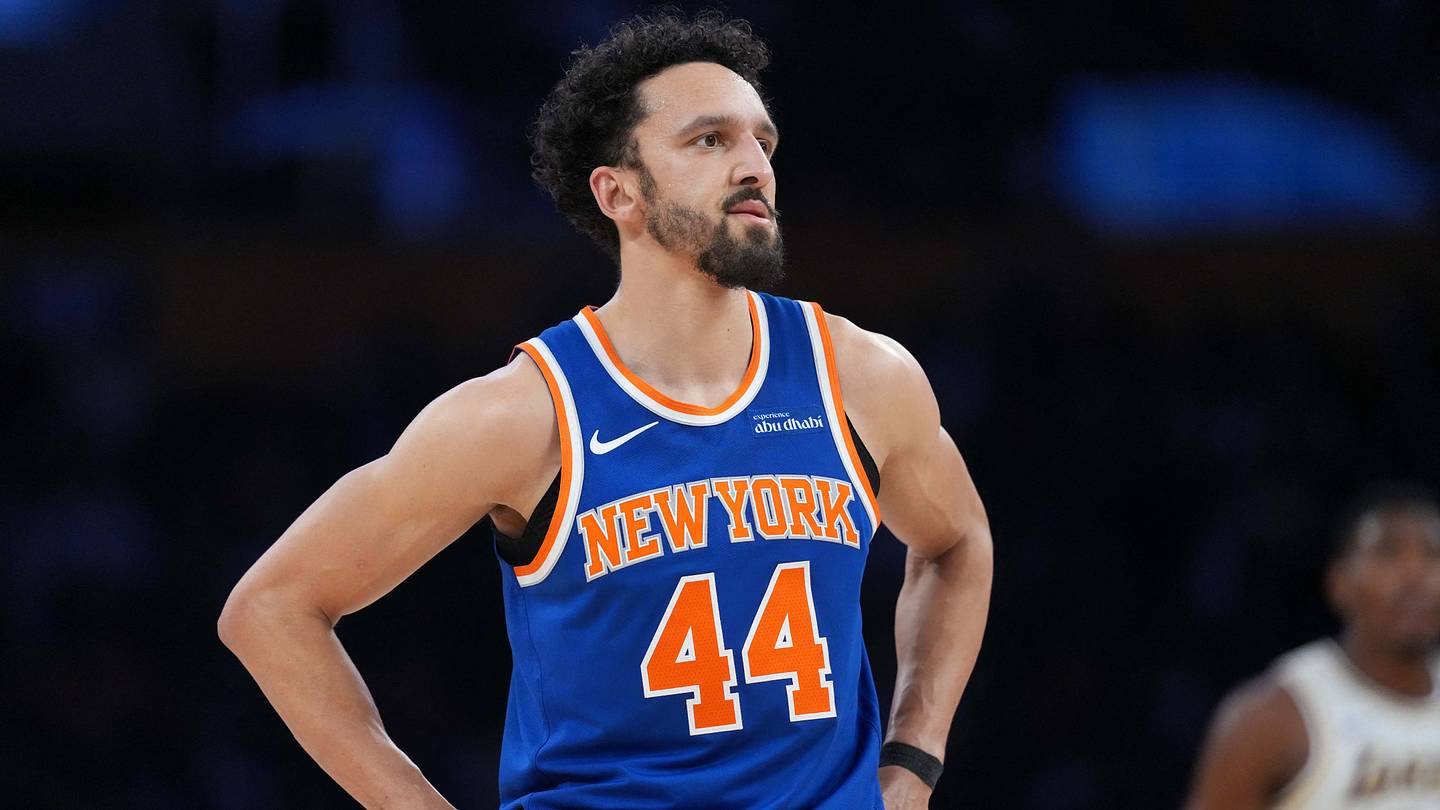
The New York Knicks have secured the services of Landry Shamet, a wing known for his ability to stretch the floor and provide a scoring spark off the bench. In a market where depth and shooting are prized, retaining a player who has demonstrated clutch shooting in postseason runs is a clear win for a roster that values versatility and spacing. Shamet’s presence offers a reliable option for the team to generate points when the starters need a breather, and his experience in high-pressure situations adds a layer of confidence for the coaching staff.
The agreement reached between the Knicks and Shamet is a multi-year contract that includes a unique blend of guarantees and options. While the total compensation for the final two seasons of the deal reaches a modest figure, only a portion of that amount is fully guaranteed, roughly a quarter of the total sum for those years. In addition, the contract contains a player option that gives Shamet the ability to decide whether to remain with the team for the final season. This structure reflects a deliberate approach by the front office to balance financial flexibility with the desire to keep a valuable role player in the mix.
Shamet’s impact on the court goes beyond raw numbers. He has shown an ability to knock down critical three-pointers and create scoring bursts that can swing the momentum of a playoff game. His off-ball movement opens lanes for teammates, and his shooting helps to spread defenses, providing more room for the team’s primary scorers. However, his defensive rotations are not elite, and occasional lapses in positioning can be exploited by disciplined opponents. The Knicks appear willing to accept these trade-offs, valuing his offensive contributions while monitoring his defensive development.
From a roster-construction perspective, the contract serves as a financial lever that preserves cap space for future moves. By limiting the guaranteed portion, the organization maintains flexibility to pursue higher-priced targets should the need arise, while still retaining a shooter who can be called upon nightly. This approach aligns with a broader strategy of locking in role players at below-market rates and embedding escape clauses that allow for roster adjustments without incurring significant dead-money. Other contenders have tended toward fully guaranteed deals for comparable pieces, but the Knicks seem comfortable betting on the core of their roster to carry the load while keeping ancillary pieces adaptable.
Looking ahead, the partial guarantee ensures that the team will receive a set amount of compensation regardless of on-court performance for one of the later seasons, while the player option provides a clear decision point before the contract concludes. If Shamet continues to deliver in the playoffs and maintains his shooting efficiency, exercising the option could lock in a valuable year at a reasonable cost. Conversely, if his production declines, the Knicks retain the ability to decline the option and reallocate resources toward other priorities. This flexible arrangement gives both the player and the organization a degree of control as they navigate the evolving landscape of the NBA.
 New York Knicks