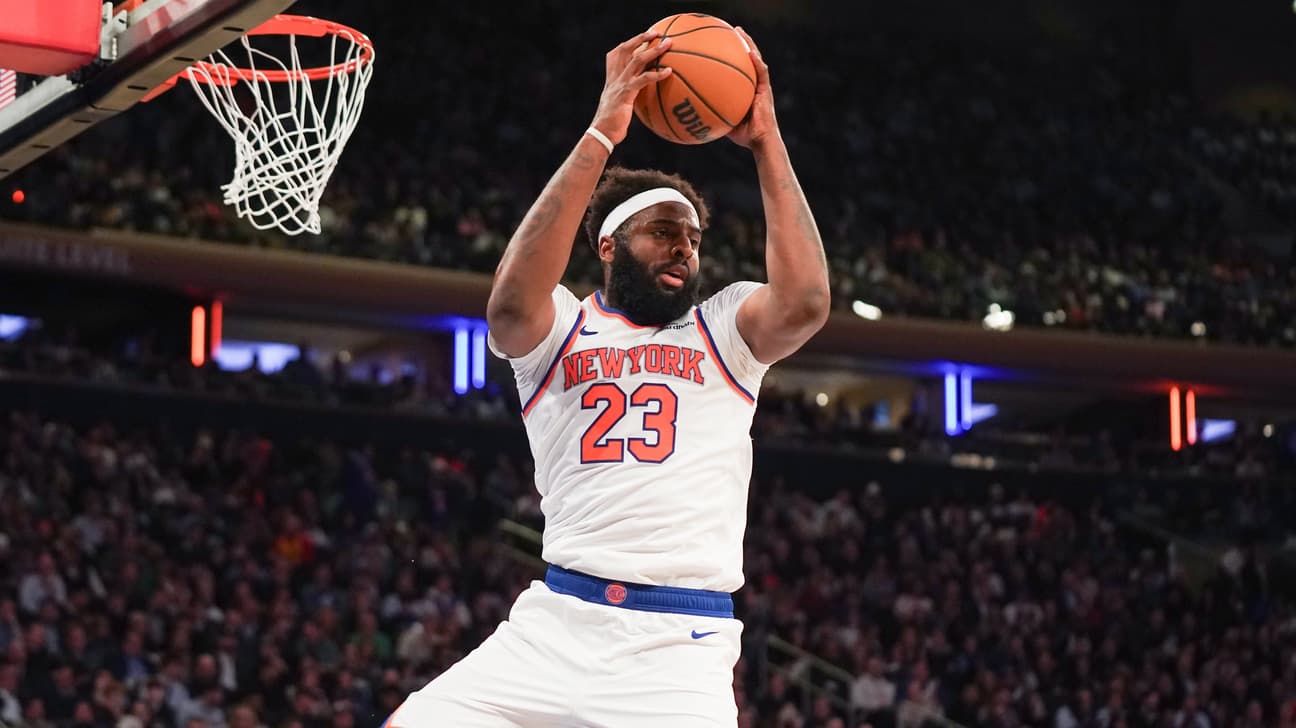
New York Knicks owner James Dolan stated the franchise will not enter the second apron for the 2026-27 season. He emphasized that exceeding the threshold would be a move the team simply cannot make. This stance arrives with the Knicks projected to sit roughly $13 million below the second apron heading into the offseason.
The second apron threshold sits at a projected $222 million for 2026-27. New York carries approximately $201 million in commitments already, including $192 million tied to its starting five. That leaves limited room for extensions or new deals without dipping into restricted mechanisms. Re-signing Mitchell Robinson or Jose Alvarado would push the total near the threshold with just 11 guaranteed contracts.
Staying under the line forces difficult choices in how the Knicks deploy their core. The second apron blocks use of the taxpayer midlevel exception and severely limits sign-and-trade options. The team cannot simply add depth around its proven rotation without subtracting elsewhere. That reality shapes every matchup consideration from how they handle frontcourt minutes to whether they can maintain the switch-heavy schemes that defined their title run.
The decision reflects a front office pattern of prioritizing long-term flexibility over short-term roster preservation. With the championship secured, the punitive restrictions that cap free agency and draft compensation maneuvers outweigh the immediate benefit of running back the full group. Rival executives have already begun circling potential cap casualties as a result.
Free agency and restricted free agent negotiations this summer will test the limits of that math. The Knicks must decide on Robinson, Alvarado and other role players before the deadline for extensions and offers. Any overage forces either a trade or a hard reset of the rotation. Those moves will set the template for how New York attempts to defend its title without the full toolkit available to apron teams.
The approach leaves the Knicks one or two key departures away from a very different supporting cast. It is a calculated risk that prioritizes sustained contention over one more loaded window. The salary structure around the starting five already consumes most of the available space, meaning even modest additions for bench pieces could eliminate access to key exceptions and force trades that alter the defensive identity built during the championship season.

 New York Knicks
