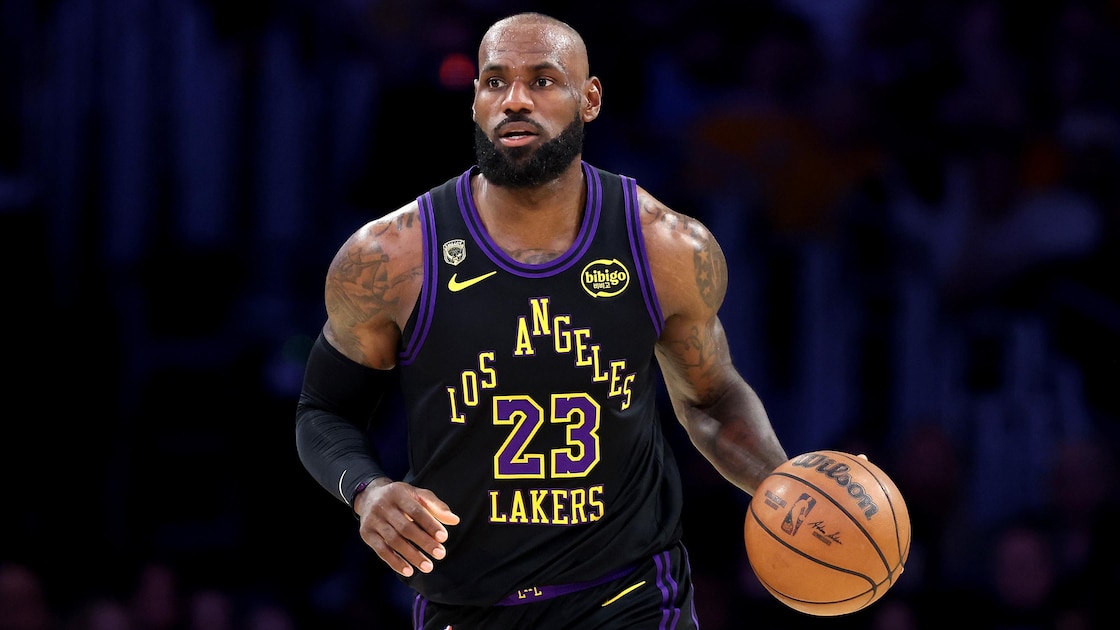
Gabe Vincent finished the most recent NBA season splitting his time between the Los Angeles Lakers and the Atlanta Hawks. He appeared in fifty-three games and started seven of them, posting averages that reflect a role player’s contribution. His scoring average hovered around four points per game, while he added roughly one rebound and a little over one assist per contest. Shooting percentages were in the mid-thirties from the floor and just above thirty percent from beyond the arc, numbers that sit below the typical output for wing players.
As of July 16, Vincent has not signed a new contract and remains a free agent. The lack of a new deal underscores the competitive nature of the market for players who occupy a bench role. Teams evaluating his résumé will consider both the modest statistical line and the intangible qualities he brings, such as defensive effort and familiarity with multiple systems. The fact that he was on a three-year contract that spanned two different organizations adds a layer of experience that can be valuable for clubs seeking depth.

Analysts note that a player with Vincent’s profile often finds opportunities in organizations that need a reliable practice player who can step in when injuries arise. His ability to stretch the floor, albeit at a below-average clip, may still appeal to teams looking for a shooting option off the bench. Defensive versatility, another aspect highlighted by his time with both clubs, can be a deciding factor for franchises that prioritize perimeter defense.
The free-agency landscape for role players like Vincent typically revolves around minimum-salary contracts or two-way deals that allow a split between the NBA roster and the G League affiliate. Such arrangements give teams flexibility while providing the player a pathway to showcase improvement. For Vincent, a two-way contract could serve as a platform to demonstrate his work ethic and potentially earn a standard roster spot in the future.
Looking ahead, the next opportunity for Vincent will likely arise from a club that values his defensive mindset and the experience of having navigated a three-year stint in the league. Whether that comes in the form of a standard minimum contract, a two-way arrangement, or an invitation to a summer-league roster, his future will depend on teams’ willingness to integrate a player whose contributions are more nuanced than pure box-score metrics. Until a deal is reached, he remains a free agent awaiting the next chapter in his professional career.