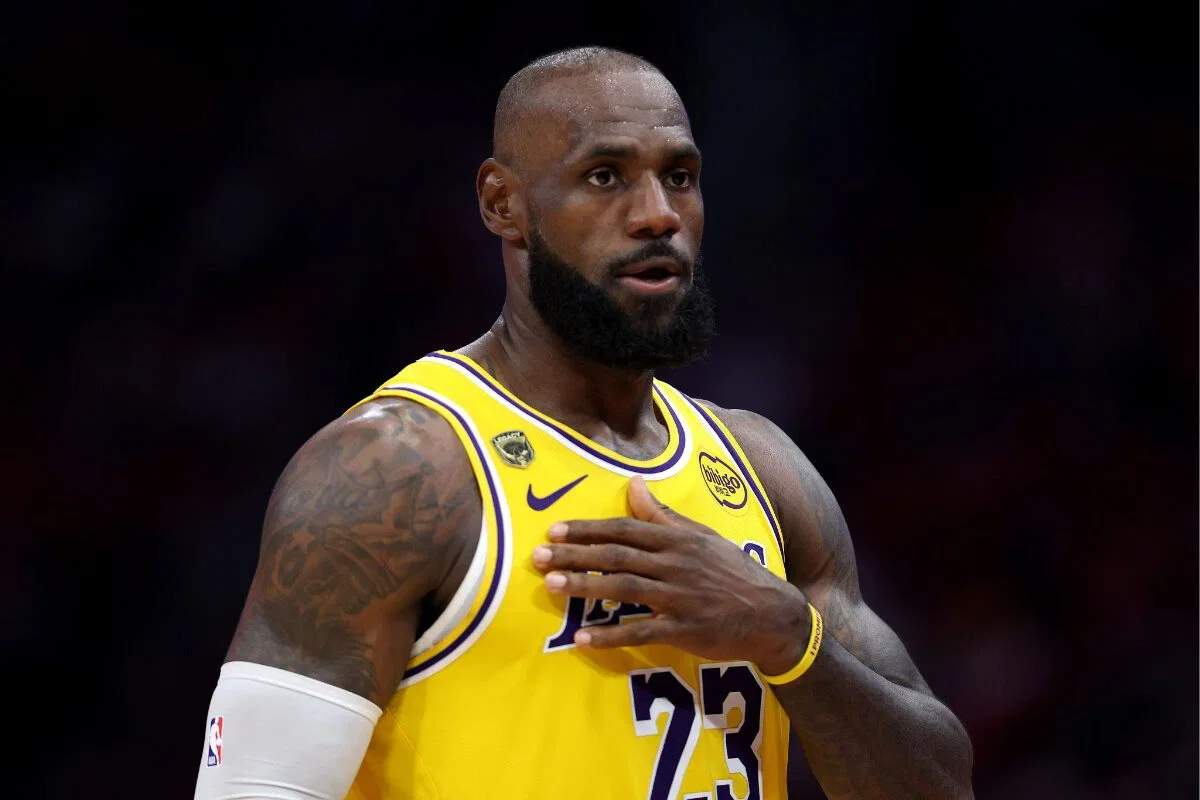
The LeBron James era in Los Angeles is over, and it is ending in the middle of a roster that is coming apart around it. James has told the Lakers he intends to play elsewhere in 2026-27, walking away from the franchise he joined in 2018 to chase a 24th season somewhere new. He cannot officially sign until the moratorium lifts on July 6, and he has not settled on a destination, but the decision itself is made. After eight years, four Finals trips, and a title, the most consequential free agent in Lakers history is leaving for nothing in return.
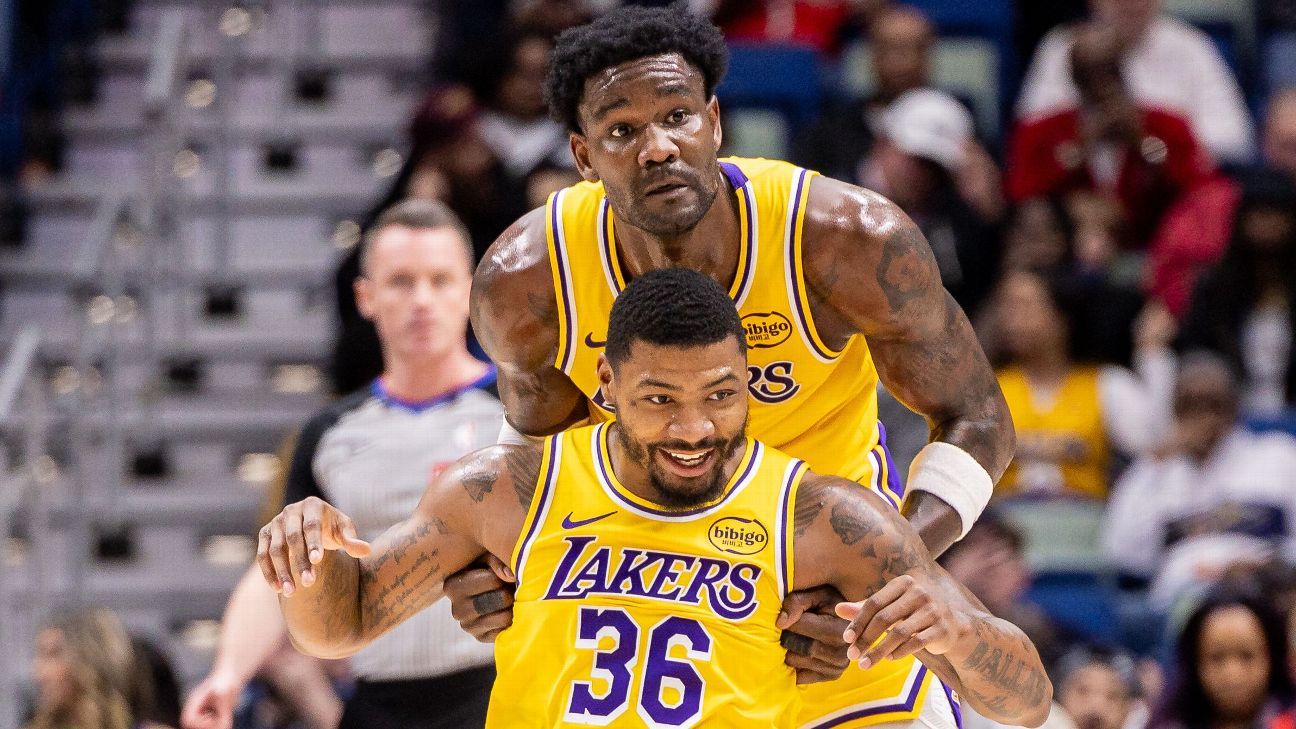
He is not even the only departure this week. Marcus Smart declined his $5.4 million player option and agreed to a two-year, $13 million deal with Houston, reuniting with Ime Udoka and taking the Lakers' best perimeter defender with him. Luke Kennard, the deadline pickup who shot the Lakers out of trouble in the playoffs, signed a two-year, $13 million contract with Phoenix. The Lakers held no Bird rights on Kennard, which meant they had no realistic path to keep him once another team offered real money. Two rotation pieces, gone in a matter of hours, for nothing.
Rui Hachimura looks like the next to go. He is an unrestricted free agent coming off the final year of a three-year, $51 million deal, and the market has found him. Brooklyn and San Antonio have shown interest, and the projected price, somewhere in the $20 to $28 million range per season, is money the Lakers almost certainly cannot match. Los Angeles looks likely to replace him on the cheap, with the versatile forward Sandro Mamukelashvili floated as the likeliest low-cost pivot. A starter-level forward out, a minimum-level flier in. That is the trade the Lakers are being forced to make.
None of this happened by accident, and that is the part Lakers fans will chew on all summer. This is the cost of committing to two maximum salaries. Luka Doncic is locked into a three-year, $165 million extension and is not going anywhere. Austin Reaves was re-signed to a five-year maximum worth well north of $40 million a season, cemented as the long-term co-star. Deandre Ayton is on the books at center. Once those checks were written, and with James's future unresolved hanging over everything, there was never going to be enough left to keep the supporting cast intact. The Lakers chose their two guards and their center, and the rest of the roster became collateral.
The basketball logic is not indefensible, even if the execution stings. This is Doncic's team now in every sense, and it has been trending that way since he arrived. James leaving removes the awkward two-star fit that never fully clicked and hands the offense entirely to Doncic, who has spent his career as the sun that everything orbits. Reaves is the ideal secondary creator next to him, a shooter and driver who can run an offense when Doncic rests. In theory, a cleaner, younger, more coherent team can rise out of this. In theory.
The problem is what surrounds the theory. Strip out James, Smart, Kennard, and Hachimura, and the Lakers have gutted the exact things a Doncic team needs most: perimeter defense, shooting, and forward size. Doncic offenses have always demanded shooters to punish the help and defenders to cover for what he cannot on the other end. Right now the depth chart behind the top three is close to bare, and the tools left to fill it are the taxpayer exception and minimum contracts. Replacing Hachimura with a minimum forward and Smart with whoever is available is not a plan so much as a hope.
There is also the matter of what this does to the timeline. Doncic is 27 and entering his prime. Reaves is 27. The window to build a real contender around them is open now, not in three years, and a summer spent shedding rotation players and signing fliers does not move that window forward. The Lakers still have Doncic, which means they are never truly bottoming out. But a roster that loses its best wing defender, its most reliable playoff shooter, and a starting forward in the same week, while its franchise icon walks out the door, is not a roster getting closer to a title. It is one treading water and calling it a plan.
The fans are split, and both sides have a case. One camp sees addition by subtraction, a necessary shedding of an aging, ill-fitting past so the Doncic era can begin unencumbered. The other sees a front office that spent big on two players and then watched everyone else leave for nothing, with no clear answer for how to compete in a brutal Western Conference. Both readings fit the same set of facts, which is usually the sign of an offseason that could break either way.
What is not in dispute is the scale of the turnover. The Lakers are keeping their stars and losing almost everyone else, and the most important name on the way out is the one who defined the last eight years in Los Angeles. James got his statue moment here, then chose to leave on his own terms. The Lakers get to find out, immediately and without a safety net, whether the team they have left is good enough to matter. The answer will not wait for a rebuild. It arrives in October.

 Los Angeles Lakers