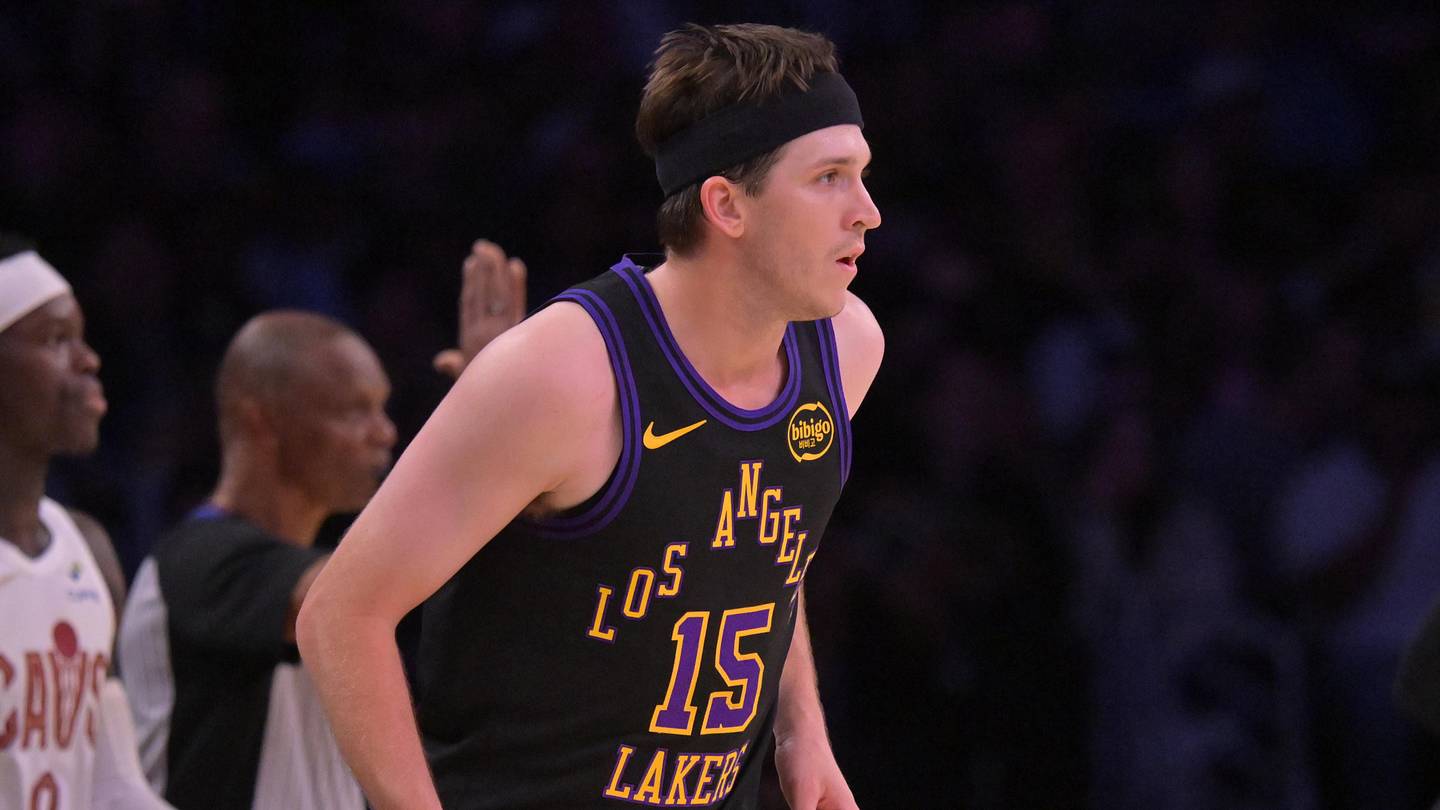
The Los Angeles Lakers have added a new entry to their jersey-history series, honoring the No. 52 that Jamaal Wilkes wore from 1977 through the 1985 season. The project now documents every player who has ever suited up for the franchise, a total that reaches 506 athletes from the Minneapolis era to the present day.
Wilkes arrived in Los Angeles as a free-agent in 1977 after three productive seasons with the Golden State Warriors, a stint that included a championship ring in 1975. His veteran experience complemented a roster that was still shaping the Showtime identity, and the move set the stage for a decade of high-octane basketball that defined the Lakers brand.
Starting with the 1979-80 campaign, Wilkes averaged at least 20 points per game for three consecutive seasons, a scoring surge that helped the Lakers capture NBA titles in 1980 and 1982. He earned All-Star selections in 1976, 1981 and 1983, and his career average of 17.7 points rose to 18.4 points per game while wearing the purple and gold. In 2012, he was inducted into the Naismith Memorial Basketball Hall of Fame, cementing his place among the league’s elite.
Wilkes’ skill set meshed perfectly with rookie Magic Johnson’s inaugural season, providing a reliable perimeter threat that stretched defenses and opened lanes for the Lakers’ fast-break attack. Known for his automatic long two-pointers, especially from the corners, Wilkes helped keep the paint clear for big men like Kareem Abdul-Jabbar, allowing the franchise’s stars to operate inside while he punctuated the offense with quick releases.
After a final season with the Los Angeles Clippers, Wilkes announced his retirement in December 1985. The No. 52 tribute underscores the Lakers’ tradition of honoring players whose contributions, while sometimes understated, were pivotal to championship runs. By spotlighting Wilkes, the organization reinforces a narrative that values both marquee talent and the role players who excel in specialized skills.
Looking ahead, the jersey-history feature may inspire the club to revisit other overlooked numbers as it continues to build its legacy in an era of rapid roster turnover. Current Lakers forwards who thrive from the corners could find themselves measured against Wilkes’ efficiency, offering a tangible benchmark for future building blocks.
 Los Angeles Lakers