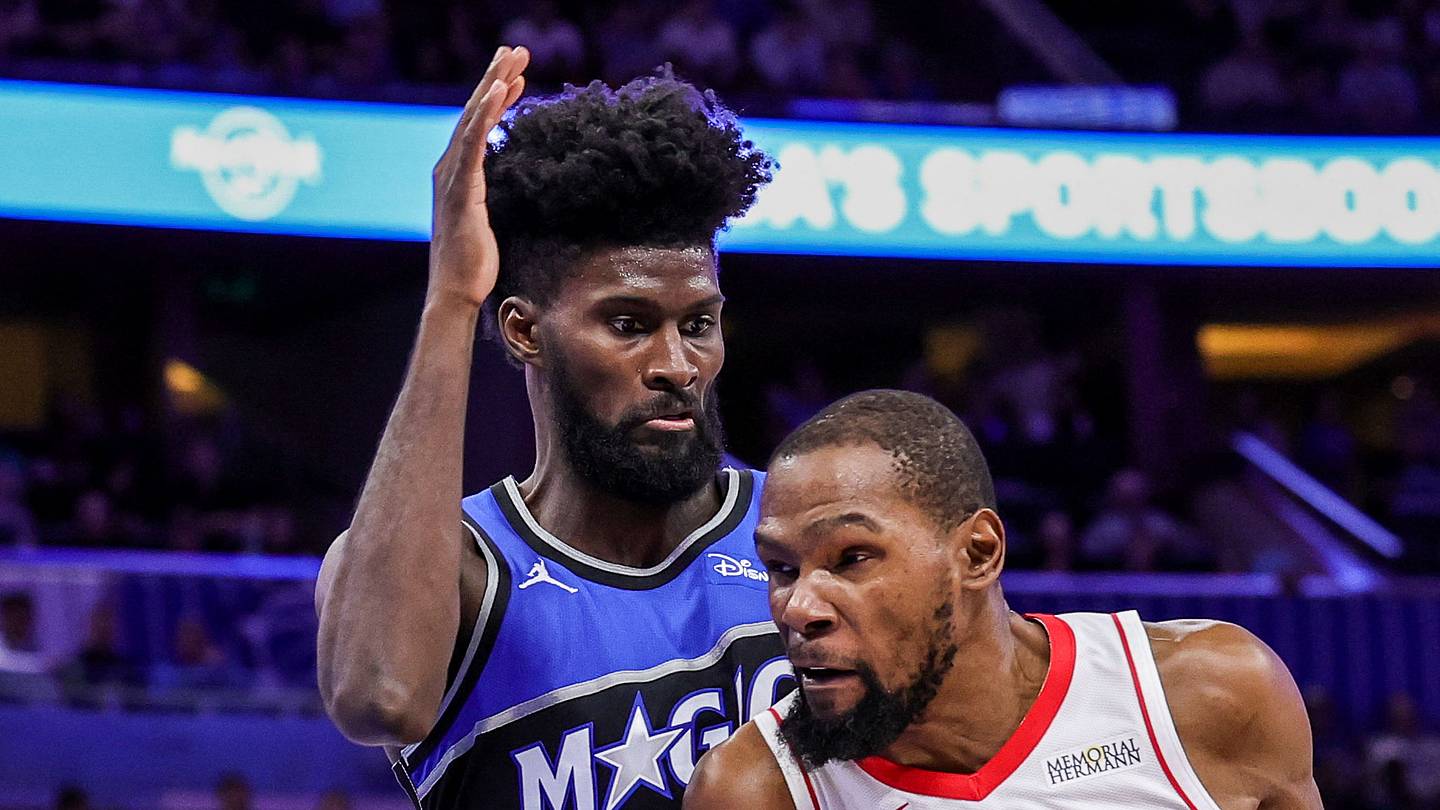
The Orlando Magic closed their free-agency weekend by re-signing veteran center Nikola Vucevic and guard Jevon Carter to minimum contracts. Both deals were announced on Wednesday night and were part of a broader roster-building push that also brought back forward Jonathan Isaac on a similar deal and added two-way contracts for second-round pick Izaiyah Nelson and former Florida big man Colin Castleton. By locking up familiar pieces rather than chasing high-priced free agents, the Magic signaled a clear commitment to continuity.
Cap constraints shaped every move. Orlando is sitting deep in the luxury-tax zone and above the first apron, leaving only a narrow window before hitting the second apron. With that financial pressure, the club could only afford minimum-value contracts and the modest mid-level exception that remains available. The Vucevic and Carter signings therefore represent the most cost-effective way to retain veteran depth without jeopardizing the team’s long-term flexibility.
From a basketball standpoint, the two veterans provide specific pieces the Magic need. Vucevic, though no longer the primary offensive option, offers a reliable backup at center and a familiar presence for the frontcourt players who will compete with Goga Bitadze for minutes. Carter returns as a two-way guard who can defend multiple positions, add toughness, and give the coaching staff a dependable option off the bench. Their experience dovetails with the team’s core of Paolo Banchero, Franz Wagner and Desmond Bane, allowing the young stars to develop without the disruption of a wholesale roster overhaul.
The addition of two-way contracts for Nelson and Castleton underscores the Magic’s emphasis on internal development. Both players will see significant time in the Summer League alongside other prospects, giving the organization a chance to evaluate talent without committing a full roster spot. The flexibility of two-way deals also preserves cap space for possible mid-season moves, though any major trade would have to respect the already tight salary landscape.
Looking ahead to the 2026-27 season, Orlando’s roster is essentially set. The only remaining decision is whether to fill the final roster slot with a veteran from the Summer League or to keep it open for future opportunities. With limited financial leeway, any further significant addition will likely have to come via trade rather than free agency. The true test will be how quickly the returning veterans gel with the young core and whether the continuity the Magic have chosen can translate into on-court success.

 Orlando Magic