Brad Stevens used Monday’s press conference to flag a problem that reaches far beyond Boston. He said, "When I looked at our team, and I looked at where the league was heading, looked at the way we’ve finished the last couple of years, and also looked at the unbelievable way we played in the regular season in the last couple of years," Stevens continued, "the path looked a little bit more challenging to me, I might be wrong, not going to stand up here and be defensive about that, but the path looked a little bit more challenging with 70 percent of our cap and such a high percent of our usage tied into two players." The comment landed squarely on the Orlando Magic’s own situation, where the front office has already committed a large slice of its payroll to its young core.
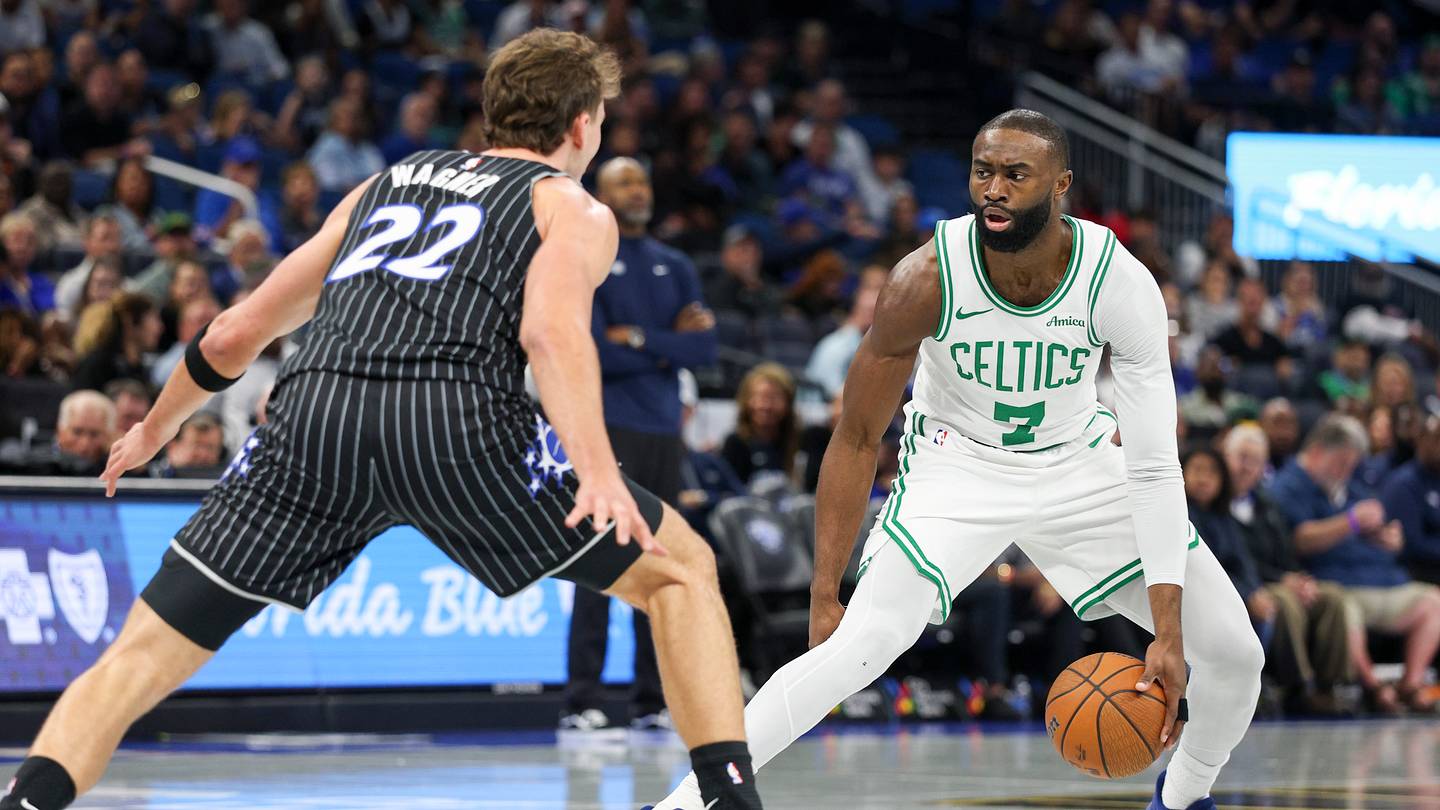
The figure Stevens highlighted, 70 percent of a team’s salary cap tied to just two contracts, creates a stark ceiling for roster flexibility. When a duo consumes the majority of the cap, there is little room to add depth, retain role players, or absorb additional luxury-tax penalties. The Celtics’ decision to move Jaylen Brown, a player who had been a central piece of their offense, underscores how quickly a duo can become a liability if the league’s strategic trends shift toward positional versatility and broader talent distribution.
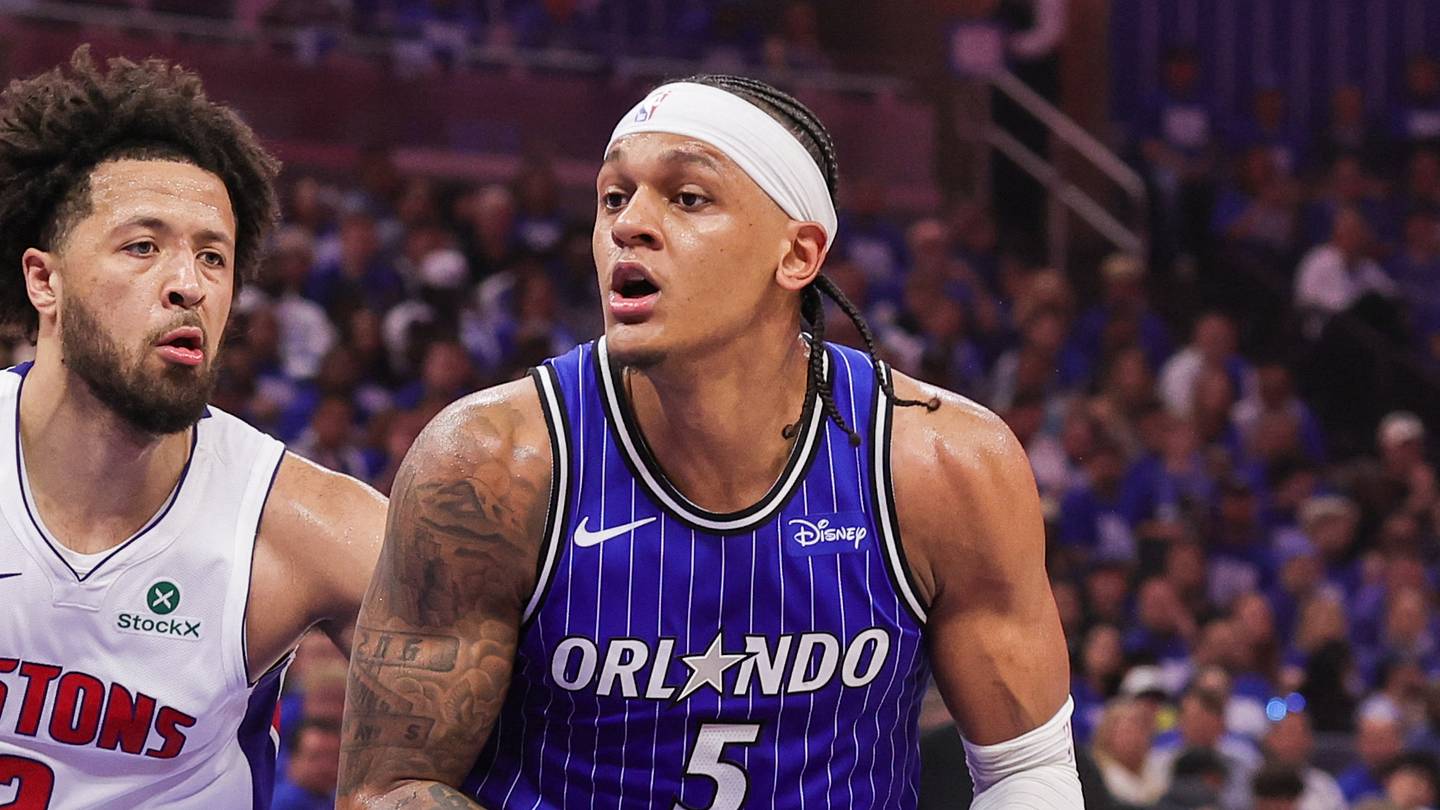
For Orlando, the lesson is immediate. The Magic’s roster construction already leans heavily on a small group of high-usage players, meaning any further concentration could tighten the cap even more. When a team’s offensive flow is driven by a handful of stars, opponents can key in on those players, and the salary-cap structure can inhibit the ability to bring in complementary pieces that stretch the floor or provide defensive versatility. Maintaining a balanced roster, therefore, becomes a matter of both on-court strategy and long-term financial health.
Strategically, the Magic must decide whether to double down on their current core or diversify assets before the next free-agency window. Adding more high-usage contracts would likely push the cap percentage higher, while seeking trade assets or restructuring existing deals could preserve flexibility. The Celtics’ move illustrates that a proactive approach, evaluating talent distribution and cap impact simultaneously, can prevent a team from becoming trapped by its own payroll commitments.
Looking ahead, Orlando’s front office faces a familiar crossroads: keep betting on a two-player nucleus or spread talent across multiple contracts to stay competitive under the cap ceiling. The path they choose will determine whether the Magic can avoid the cap-tight scenario Stevens warned about and remain a contender in a league that increasingly rewards depth and flexibility.