The Orlando Magic added forward-center Izaiyah Nelson with the 51st overall selection in the recent NBA Draft. While the pick adds depth to a frontcourt that has relied on a trio of interior players for several seasons, it also raises questions about how the third-man center role will be reshaped. Nelson, described as an "energy big," offers hustle and rim protection, traits that fit the team's philosophy of developing raw talent rather than demanding immediate impact.
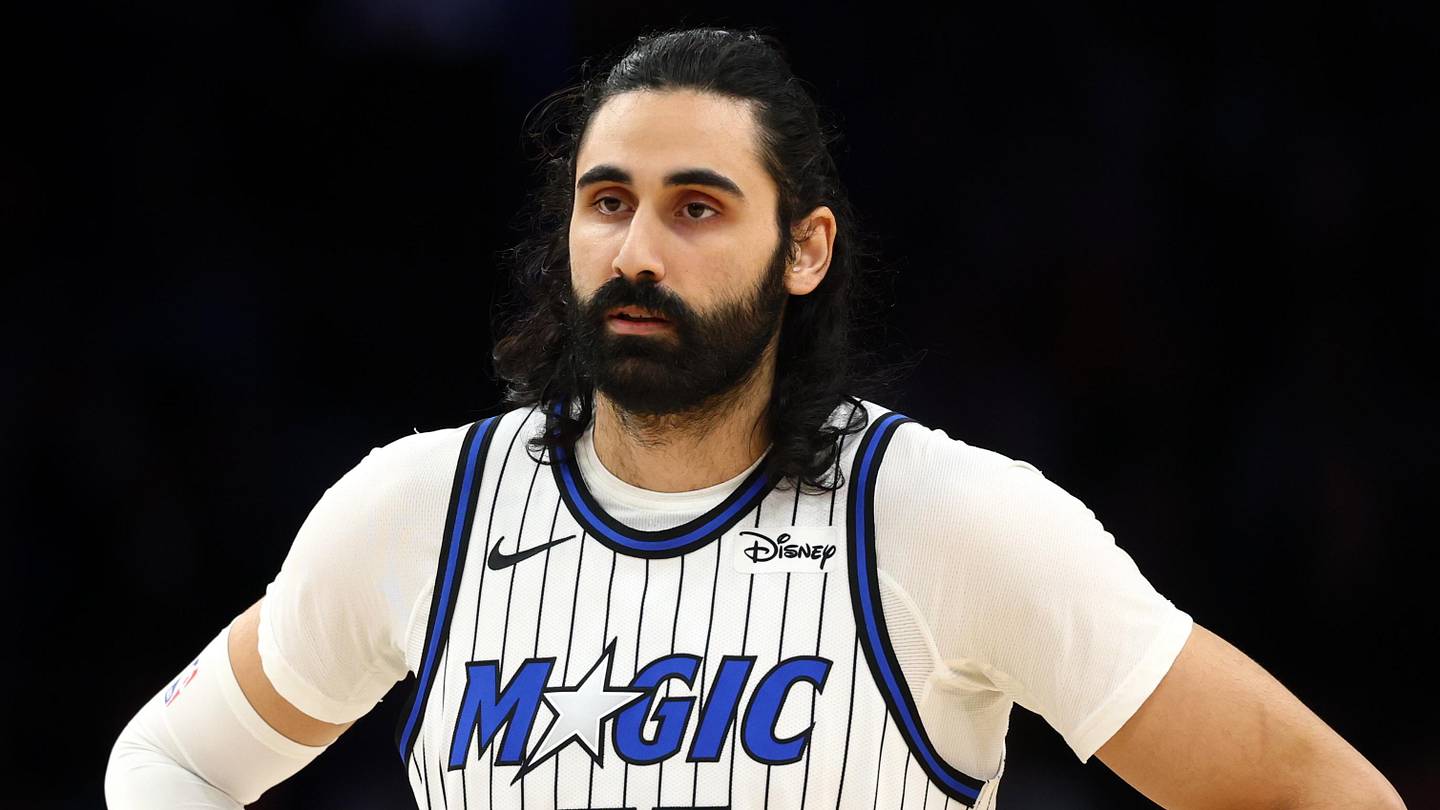
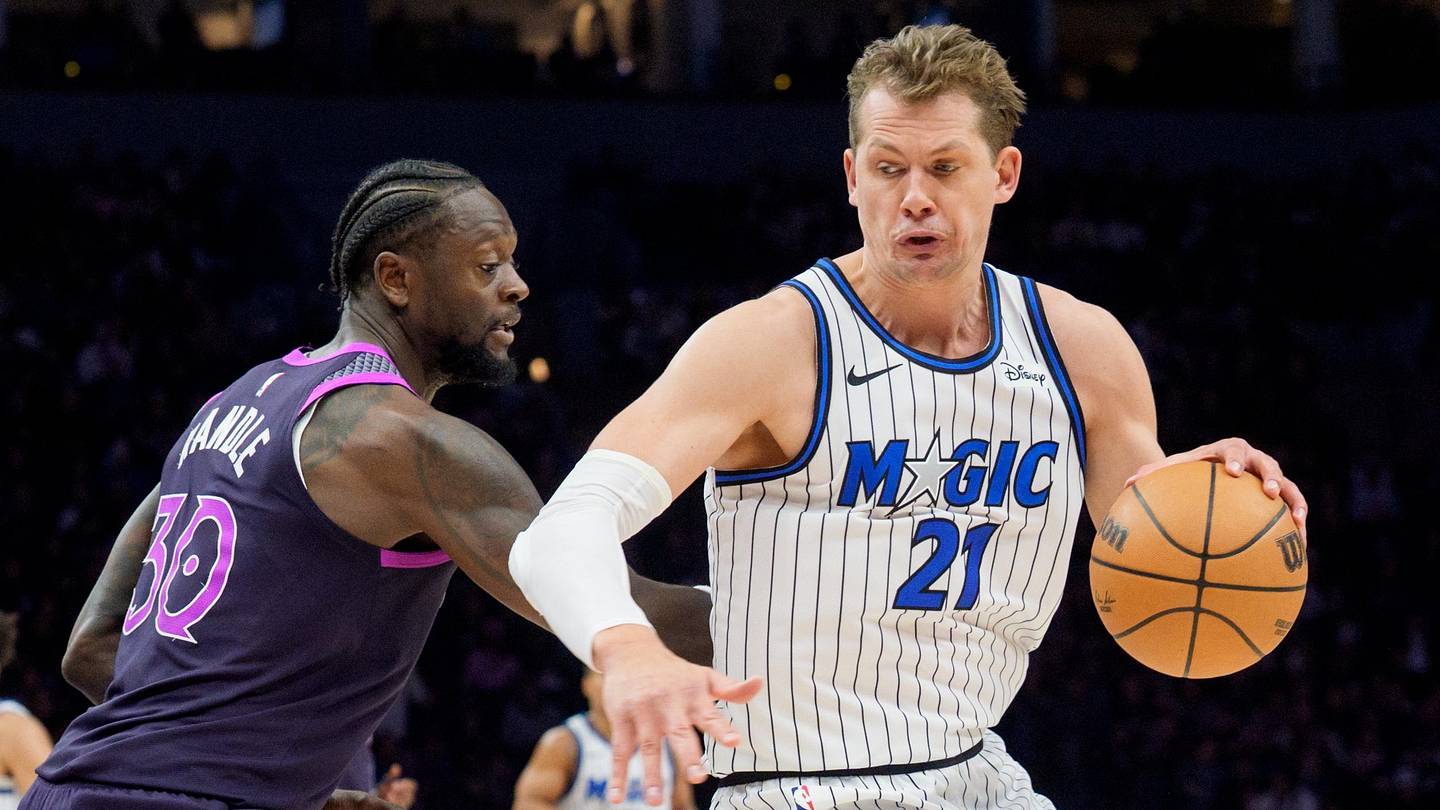
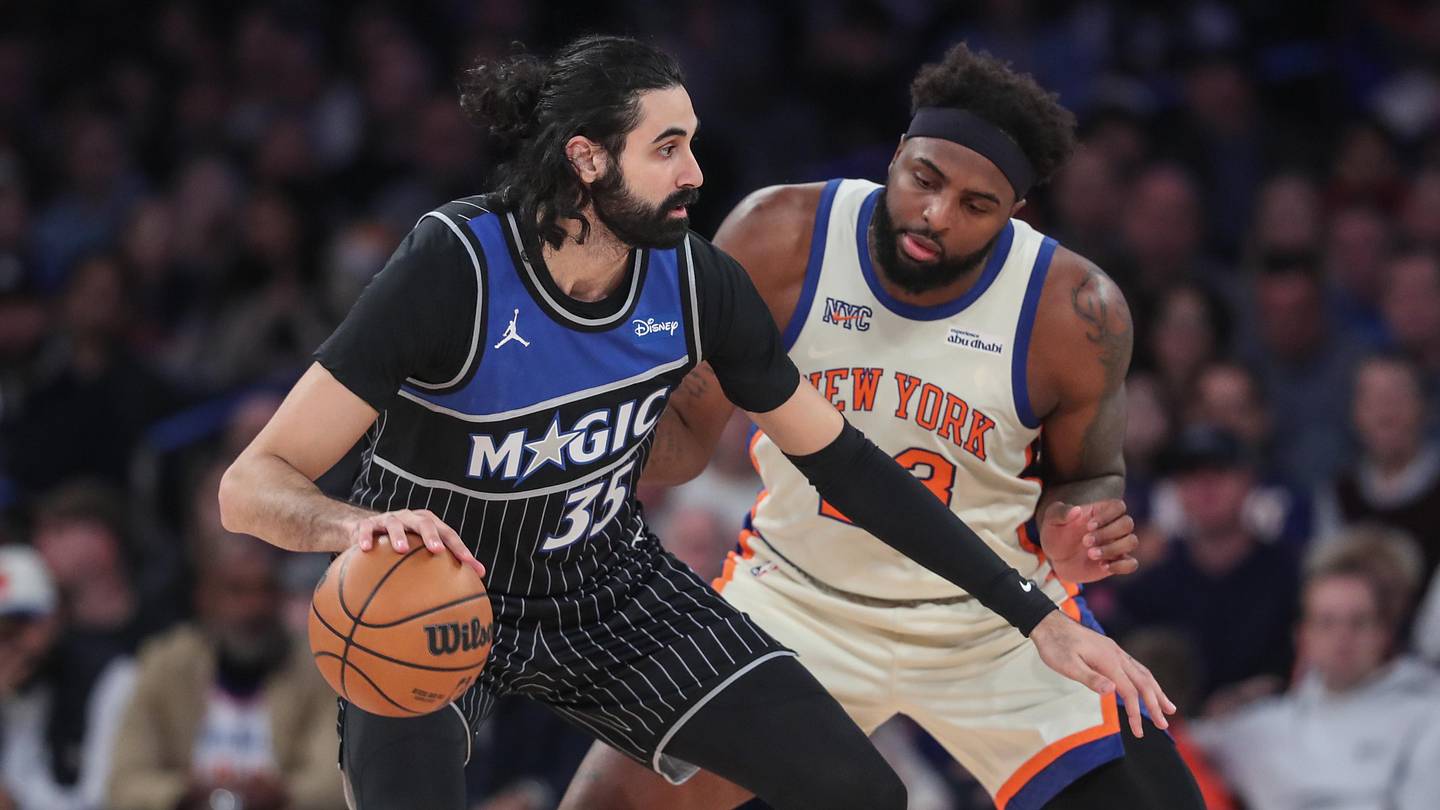
The current center rotation, comprised of Wendell Carter, Goga Bitadze and Moe Wagner, has been characterized as functional but not elite. Over the past few seasons it has provided a steady interior presence, allowing the Magic to compete without a dominant post presence. Introducing another interior option, even a developmental piece, inevitably creates a shift in the depth chart. Coaching staff will need to decide which of the established players will slide down the hierarchy to accommodate the new addition.
Nelson's size places him slightly undersized for a traditional center, but his reputation as a high-energy player aligns with the Magic’s emphasis on defensive intensity. The organization is expected to sign him to a two-way contract, a common route for late-second-round selections. This arrangement lets him develop in the G League while preserving a roster spot for the primary lineup, meaning his minutes in the NBA will likely be limited to short bursts designed to inject defensive vigor.
Head coach Jeff Weltman has repeatedly stressed the importance of giving rookies a runway and a clear path to playing time. By drafting Nelson, the Magic continue to prioritize internal development over immediate contributions. However, adding another interior option forces the team to evaluate whether one of the more established centers, Carter, Bitadze or Wagner, will be pushed down the depth chart, potentially altering the balance of the rotation.
The coming weeks will reveal whether Nelson earns a standard rookie contract or remains on a two-way deal. If he can translate his energy into measurable defensive contributions, he could carve out a role on the active roster. Otherwise, he is likely to spend his first season in the G League, preserving the existing center hierarchy for the start of the regular season.
 Orlando Magic