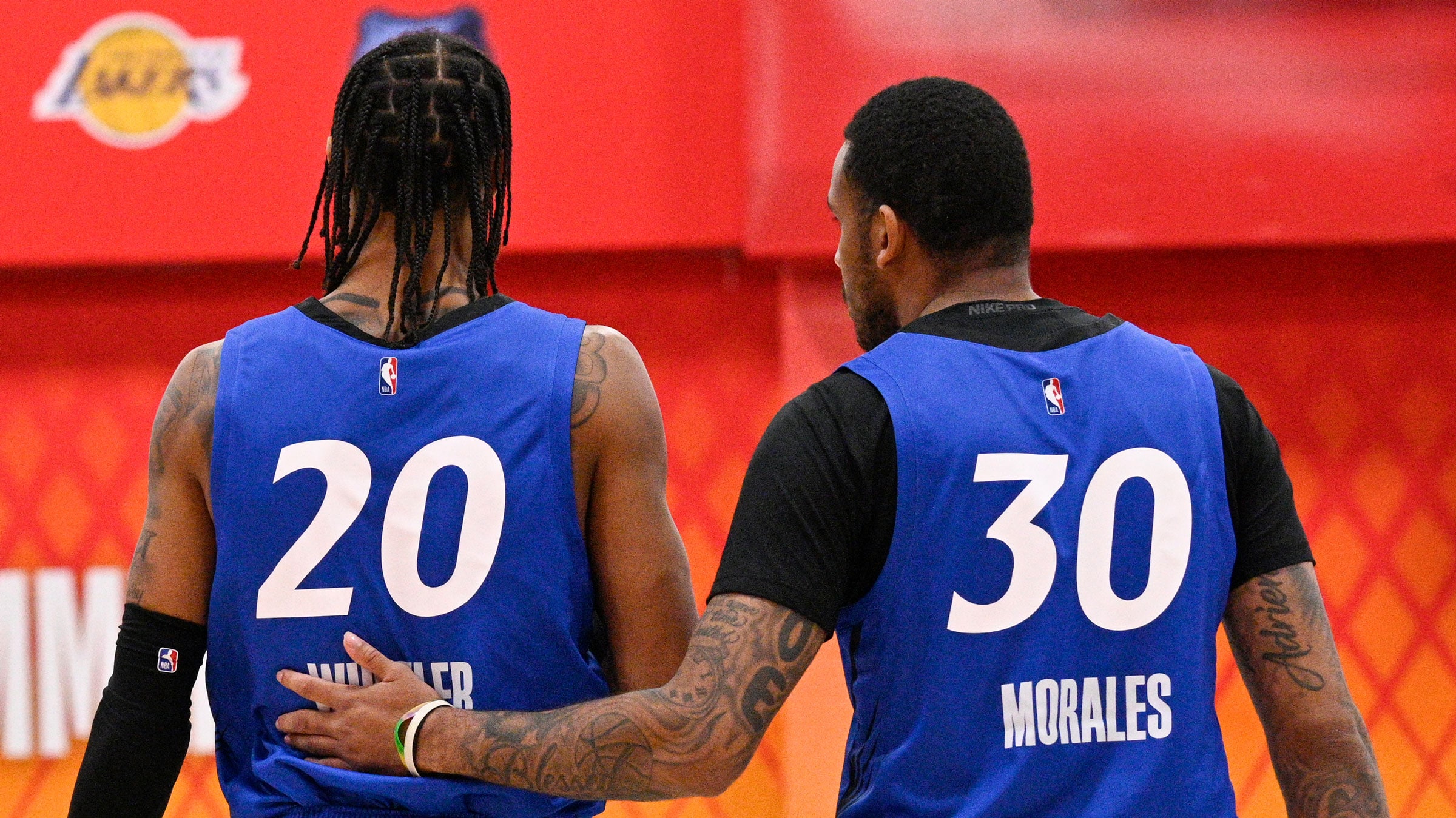
The Orlando Magic opened their Summer League slate with a 99-92 victory that felt more like a rehearsal for the pressures of the regular season than a routine exhibition. After building a 30-point cushion, the Magic saw the lead shrink to 18 points by the end of the third quarter before the Philadelphia 76ers trimmed the margin to four points with 1:15 left on the clock. The final score, a narrow 99-92 win, reminded everyone that even a dominant start can evaporate quickly.
The collapse was driven in large part by ball-handling lapses. Jase Richardson, the only player likely to see meaningful minutes in a crunch situation, recorded three turnovers in the fourth quarter, two of which occurred in the backcourt. Those mistakes are the kind of unforced errors that can fuel a comeback, and they highlighted a lingering vulnerability in late-game ball security. While the Magic’s defense remained aggressive, the turnover spree underscored the need for tighter possession when the game tightens.
Defensively, the Magic displayed the “hounding” intensity that the Summer League coach has emphasized, pressuring the 76ers and attacking the offensive glass. That effort helped them build the early lead and kept the game within reach despite the comeback. However, the offensive execution relied heavily on Richardson and Noah Penda for clutch minutes, and the turnover issue revealed a lack of a reliable secondary ball-handler to sustain the offense when the lead narrows.
Beyond the on-court actions, the specter of last season’s Game 6 collapse continues to influence the locker room. Players still recall the embarrassment of that loss, and the memory has become a psychological weight that surfaces whenever a lead begins to shrink. The Magic’s focus on defensive intensity appears to be a direct response to that trauma, aiming to prevent opponents from mounting similar comeback runs. Yet the anxiety evident in Richardson’s fourth-quarter turnovers suggests that mental resilience must be cultivated alongside tactical adjustments.
Looking ahead to the regular season, the Magic must translate Summer League dominance into consistent late-game execution. Developing a backup playmaker who can protect the ball and manage the offense in tight moments will be essential. If the team can pair its aggressive defensive identity with improved composure, the early season could become a redemption arc rather than a repeat of past disappointments. The first handful of regular-season games will reveal whether the franchise can exorcise its playoff demons or simply postpone them.
In the end, the 99-92 Summer League win offers both a blueprint and a warning. A team that learns from a near-collapse and refines its late-game decision-making can rewrite its narrative; a squad that repeats the same hesitations risks seeing the ghosts of Game 6 linger throughout the year.