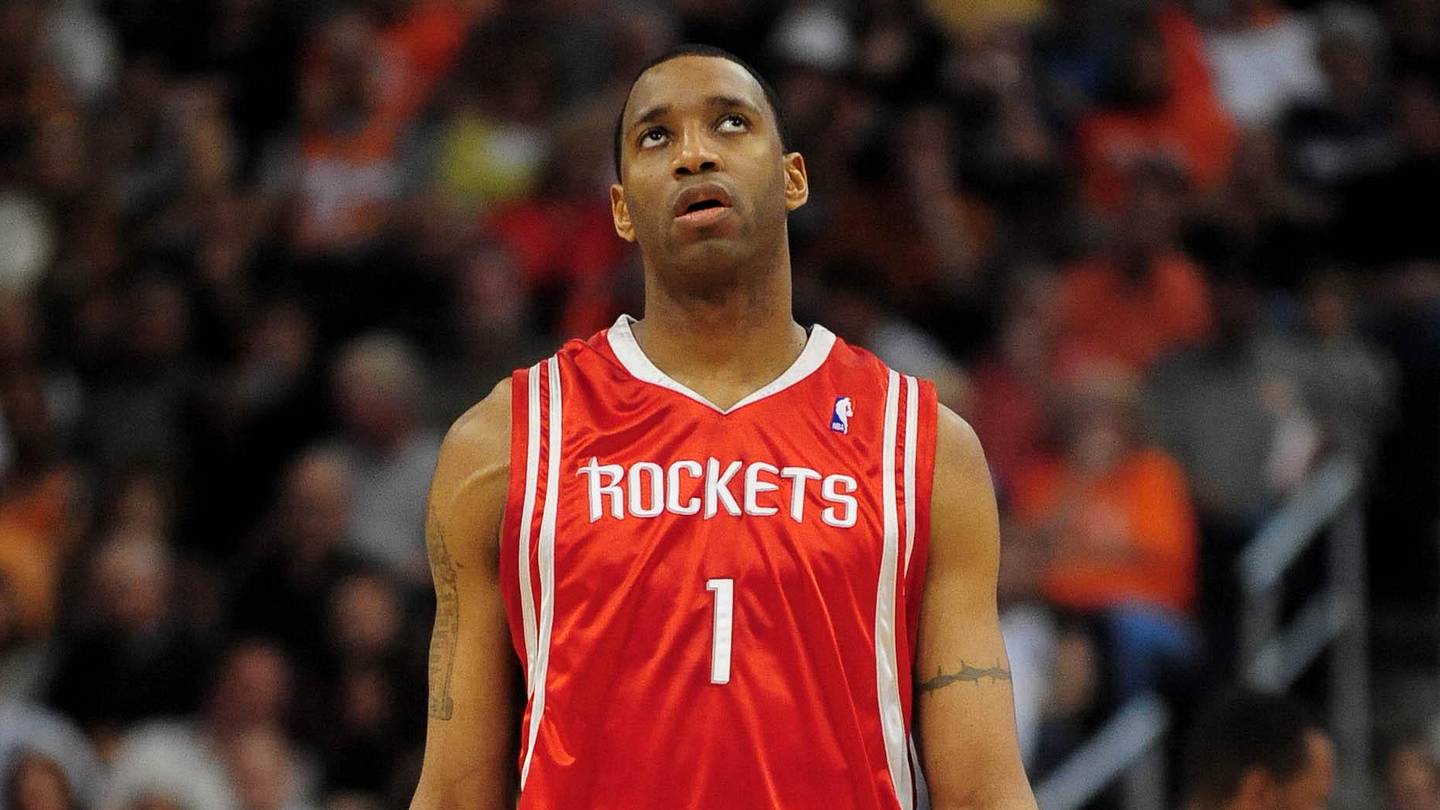
On June 29, 2004 the Houston Rockets completed a seven-player trade that sent Tracy McGrady from the Orlando Magic to the Lone Star State. The move added another high-profile name to a roster that already featured former trade acquisitions like Clyde Drexler and James Harden, underscoring the franchise’s willingness to reshape its core through the market.
McGrady arrived in Houston after four seasons with a Magic team that had paired him with Grant Hill in August 2000. Hill, a former Detroit Pistons forward, was limited to just 47 games over four years because of injuries, leaving McGrady , a former Toronto Raptors guard , to shoulder the bulk of the offense on a sub-par Orlando squad.
The June 29 deal involved seven players moving between the two clubs, a blockbuster by any measure. While the exact roster of the secondary pieces is not detailed here, the breadth of the transaction highlighted Houston’s intent to acquire a marquee scorer while balancing salary-cap considerations.
In Houston, McGrady was expected to complement a Hall-of-Famer who anchored the paint, creating a front-court duo that could stretch defenses with his perimeter shooting and create spacing for interior play. The Rockets’ emerging offensive philosophy emphasized fast-break opportunities and spacing, a style that suited McGrady’s quick first step and ability to generate his own shot.
The trade fits a broader pattern in Rockets history: the franchise has drafted legends such as Hakeem Olajuwon while also making bold market moves. Many forget that Steve Francis, a former Rockets star, was reluctant to join Orlando after his early years in Houston. A meeting with Magic general manager John Weisbrod convinced him of the team’s future potential, which was later tied to the arrival of Dwight Howard and Jameer Nelson. Ironically, Orlando would reach the NBA Finals years after Francis departed, illustrating how trades can ripple across both organizations.
Looking back, the McGrady acquisition stands as a reminder that a single player can shift a franchise’s trajectory, but success still depends on surrounding pieces and coaching philosophy. The 2004 deal remains a benchmark for how the Rockets blend draft development with aggressive market activity, a balance that continues to shape the team’s identity in the modern NBA.

 Orlando Magic