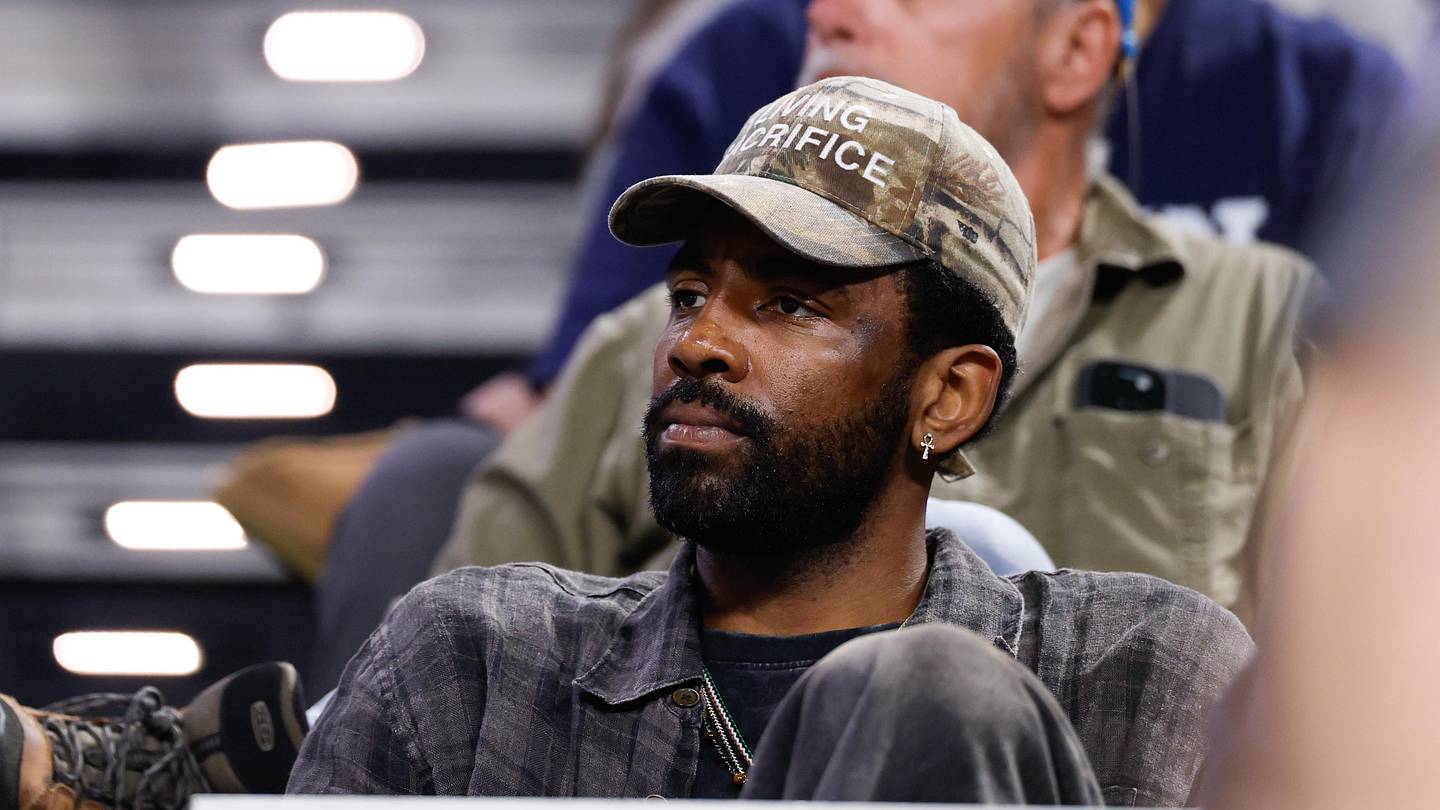
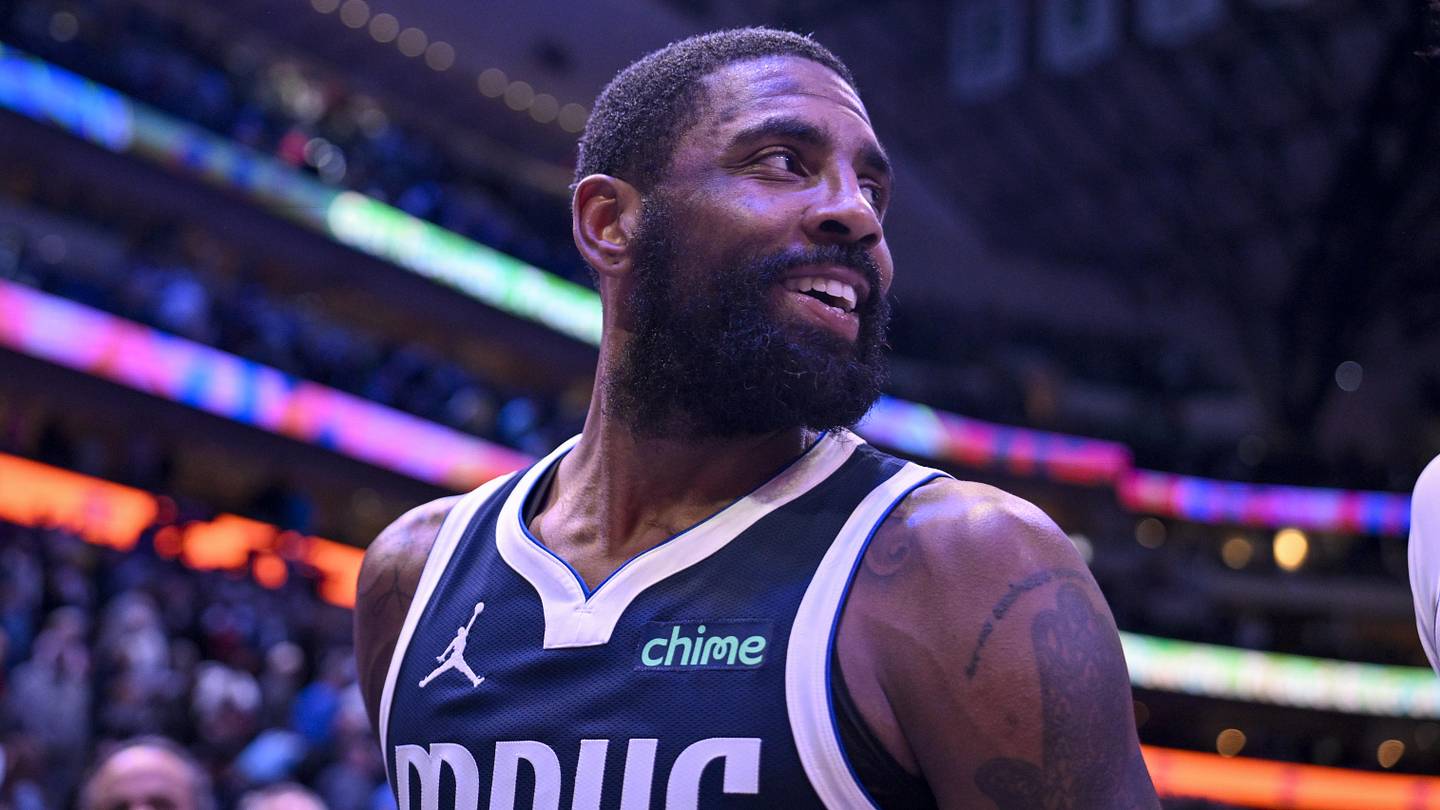
The Dallas Mavericks' decision to let Jalen Brunson walk in 2022 has officially come back to haunt them in the most spectacular and painful way possible. Brunson, now a bona fide superstar, just led the New York Knicks to an NBA championship, defeating the San Antonio Spurs 4-1 in the 2026 NBA Finals. His crowning achievement came in Game 5, where he dropped 45 points on efficient shooting, sealing the title with a 94-90 road victory and, to rub salt in the wound, earning Finals MVP honors. This isn't just about a former player winning a ring, it's about the Mavericks' stunning lack of foresight regarding a player who clearly demonstrated his burgeoning talent.
Brunson's ascent to Finals MVP is a stark contrast to the contract figures that defined his departure from Dallas. In 2022, he signed a four-year, $104 million deal with the Knicks, a figure many questioned at the time as a potential overpay. However, that contract now looks like an absolute steal. In the 2022 playoffs, Brunson began to break out after the Dallas Mavericks’ stunning decision to trade Kristaps Porzingis away. He helped the Mavericks reach the Western Conference Finals despite fielding a bit of a shallow roster.

Dallas's failure to retain Brunson wasn't merely a financial misstep, it was a profound misjudgment of his offensive ceiling and fit. During the 2022 playoff run to the Western Conference Finals, Brunson showcased an ability to create his own shot, operate as a primary ball-handler, and thrive in crucial moments, often alleviating pressure from Luka Doncic. The Mavericks, after trading Kristaps Porzingis, saw Brunson elevate his game, yet they still lowballed him in negotiations, effectively fraying the relationship and paving the way for his exit to a Knicks team with strong family ties through his father, Rick Brunson, who had connections in New York.
This isn't an isolated incident for the Mavericks' front office. The organization has a history of letting franchise point guards depart, most notably with Steve Nash in 2004, who subsequently won back-to-back MVP awards with the Phoenix Suns. The Brunson saga mirrors that painful precedent, only amplified by a championship trophy. The decision to prioritize cap flexibility over retaining a proven, ascending talent like Brunson has now directly resulted in a rival franchise hoisting the Larry O'Brien trophy, with their former player leading the charge. This pattern suggests a systemic issue in how Dallas evaluates and commits to its key personnel, particularly those alongside their superstar Luka Doncic.
Looking ahead, the Mavericks are left to pick up the pieces and ponder how to build a championship contender around Doncic without the dynamic backcourt partner they once had. The Knicks, on the other hand, leveraged Brunson's arrival to become a playoff force. Dallas must now aggressively pursue a legitimate secondary star who can complement Doncic's game, a task made significantly harder by their past miscalculations. The market for such talent is always competitive, and the Mavericks' recent history doesn't inspire confidence in their ability to close such deals. The next few offseasons will be critical in determining if they can finally learn from their past errors and avoid another generation of what-ifs.
 Dallas Mavericks