Denver entered the 2026 NBA Draft by converting its first-round slot into two second-round selections and adding future second-round picks in 2028 and 2031. The move gives the franchise flexibility to add depth without additional cap pressure, while still retaining a valuable asset for future roster building.
The draft board still contains a pool of experienced prospects after the first thirty selections. Those players could address several of Denver’s outstanding roster needs, and with proper development they may earn minutes toward the end of next season’s rotation.
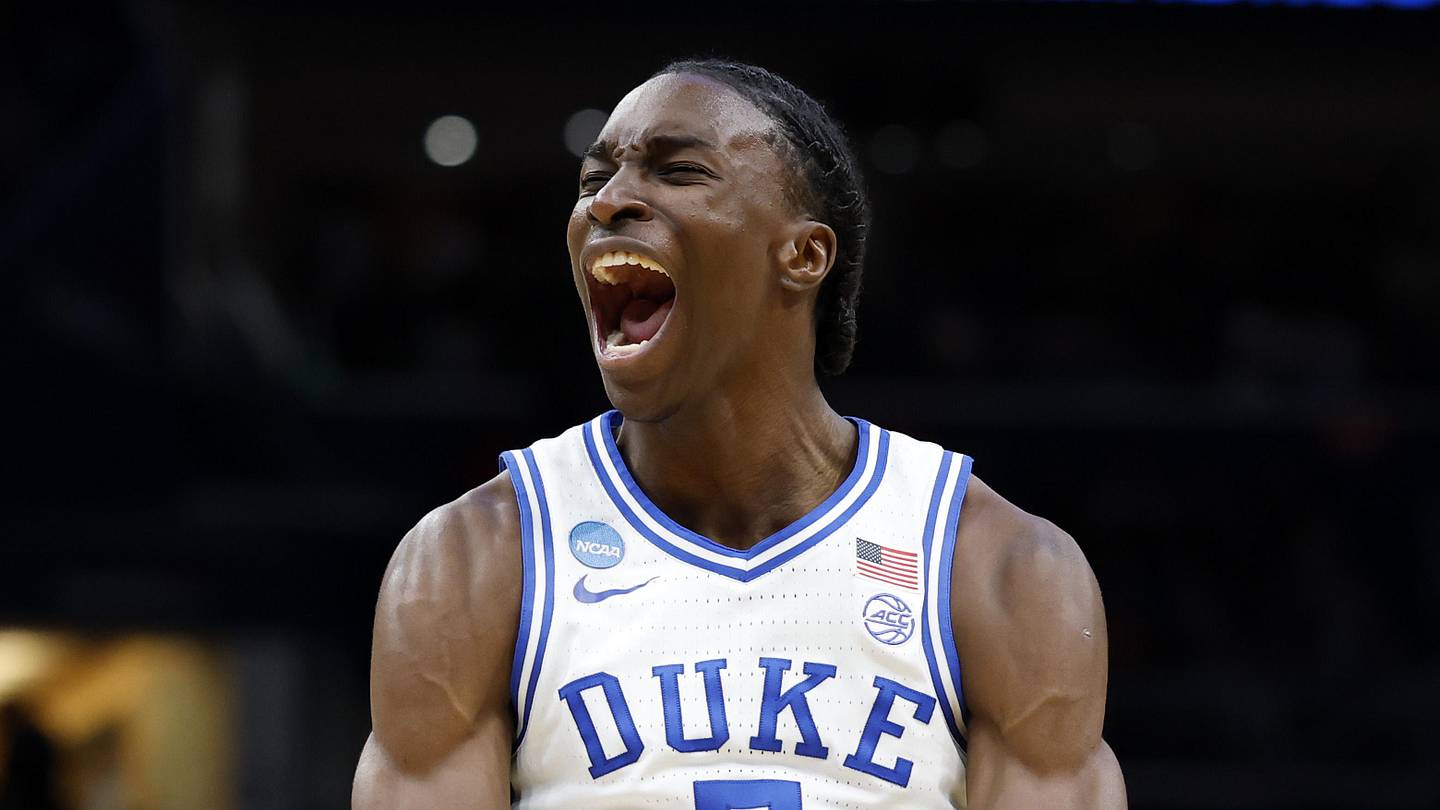
One name that repeatedly surfaces is Evans, a 6-foot-6, 186-pound wing from the Duke Blue Devils. Evans averaged more than seven three-point attempts per game and converted them at a 36.1 percent clip, a combination of volume and efficiency that places him among the top shooters still available after the first thirty picks. His length gives him the ability to contest perimeter shots while still providing an offensive threat from the corner.
Evans aligns with the Nuggets’ offensive philosophy, which emphasizes spacing and off-ball movement. A shooter who can pull a defender to the three-point line and then sprint to the rim fits the pick-and-roll rhythm that Denver runs. His size also provides the flexibility to guard multiple positions, a trait that matters when a bench wing must defend both on the perimeter and in the post.
With the clock winding down on their second-round selections, Denver’s front office will decide whether to lock in Evans or pivot to another prospect that addresses a specific need, such as a defensive wing or a low-post finisher. If Evans is chosen, Denver secures a shooter with NBA-ready splits and the physical tools to handle the rigors of a professional schedule. Should the team opt for a different player, the Nuggets still retain a valuable second-round asset that can be developed in the G-League or packaged in future deals. Either way, the next two selections will shape the depth chart for the upcoming campaign.

 Denver Nuggets