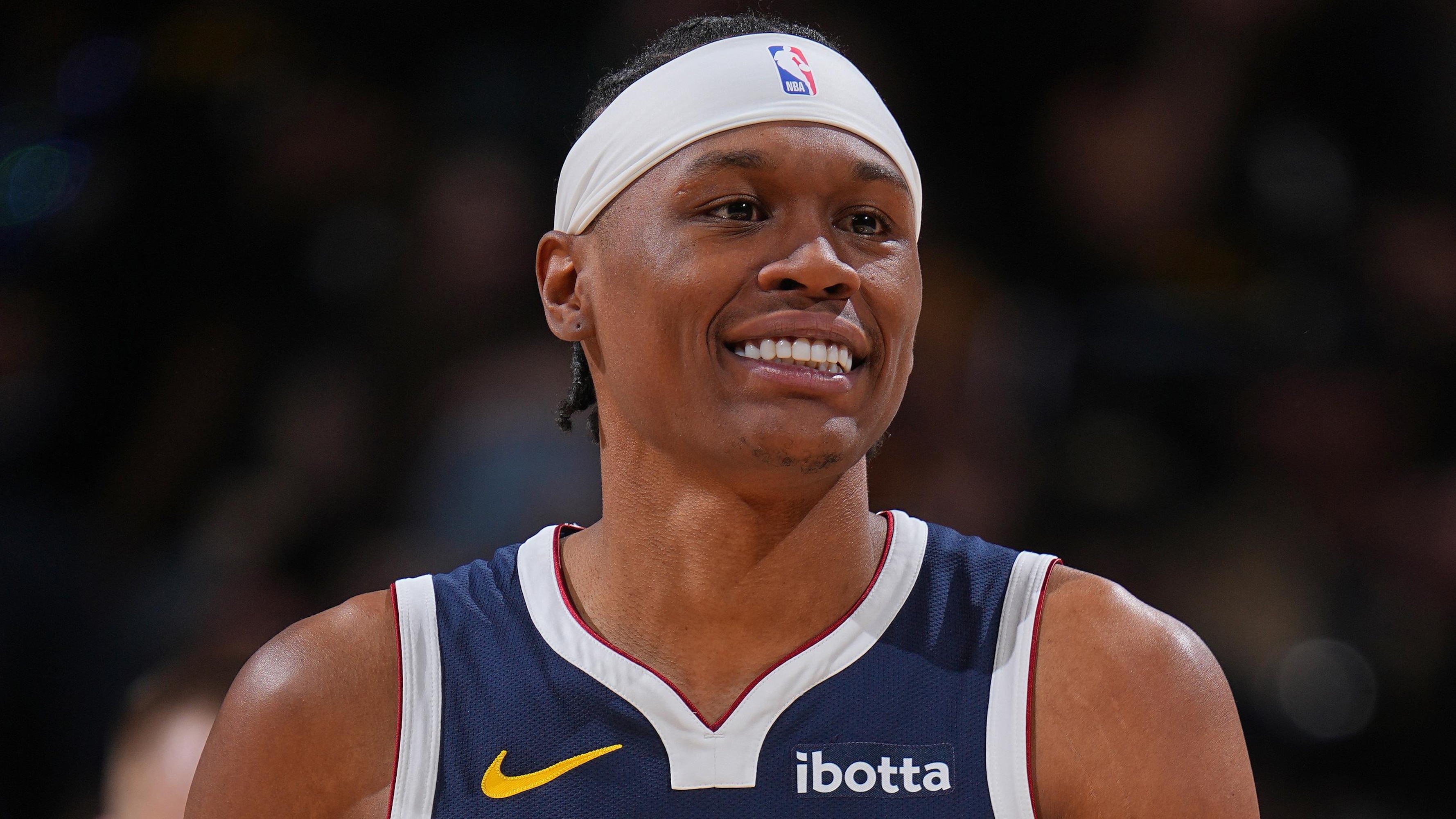
The Denver Nuggets stand at a critical juncture, navigating the future of a pivotal young talent while simultaneously aiming to fortify their championship aspirations. Peyton Watson, a restricted free agent, represents a fascinating dilemma for a franchise intent on maintaining its elite status alongside Nikola Jokic and Jamal Murray.
His contract resolution will reverberate through their roster construction and immediate competitive outlook, touching on both continuity and their ambitious pursuit of further titles.
Watson has undeniably emerged as a key contributor, showcasing significant growth on both ends of the floor. During the 2025-26 season, he averaged 14.6 points, 4.9 rebounds, 2.1 assists, and 1.1 blocks per game, demonstrating a well-rounded impact. His efficiency was notable, shooting 49.1 percent from the field and an impressive 41.1 percent from beyond the arc, proving his offensive progression.
This kind of versatile production from a rangy wing who can effectively defend and stretch the floor is highly coveted across the league. Watson's ability to guard multiple perimeter positions while also offering a legitimate shooting threat makes him an ideal fit in modern NBA schemes. His development trajectory suggests he could become an even more integral, high-impact piece of Denver's core rotation in the coming seasons.
Against this backdrop, the Nuggets' primary intent appears clear regarding their young forward. According to league sources who spoke with The Athletic's Sam Amick, Denver "intend[s] to match any offers for restricted free agent Watson when the NBA's moratorium lifts on Monday." This commitment underscores their recognition of his current value and their desire to keep him within the established championship framework.
However, the path to retaining Watson is not straightforward, leading to a complex negotiation that could test the team's resolve. While matching offers is their stated intent, sources also indicated to Amick that the Nuggets are "very open to the prospect of a sign-and-trade for the 23-year-old forward." This dual approach reveals the strategic tightrope the front office is walking, balancing retention with potential asset management.
The reason for this flexibility lies in the ongoing contract discussions between the Nuggets and Watson's agent, Rich Paul of Klutch Sports Group. Sources close to the negotiations report that the two sides "have continued to be apart in negotiations for a new contract," suggesting a significant financial gap. This divergence creates an opening for other teams to potentially make a move, complicating Denver's plans.
A direct offer sheet from another team presents its own challenges, primarily due to the league's current financial landscape. Most teams currently do not possess the necessary cap space to sign Watson to an outright offer sheet without making substantial roster sacrifices.
This scarcity of available funds makes a sign-and-trade a more viable avenue for interested parties, circumventing individual team cap limitations through structured deals involving other players or draft picks.
A sign-and-trade scenario would involve Watson agreeing to a new contract with Denver, only to be immediately traded to another team in a pre-arranged deal. For the Nuggets, this could mean acquiring assets or another player that fits their roster needs and salary slots, rather than risking losing Watson for nothing if they couldn't agree on terms and he found a way to depart.
It's a key mechanism to maintain some trade value for a valuable expiring asset.
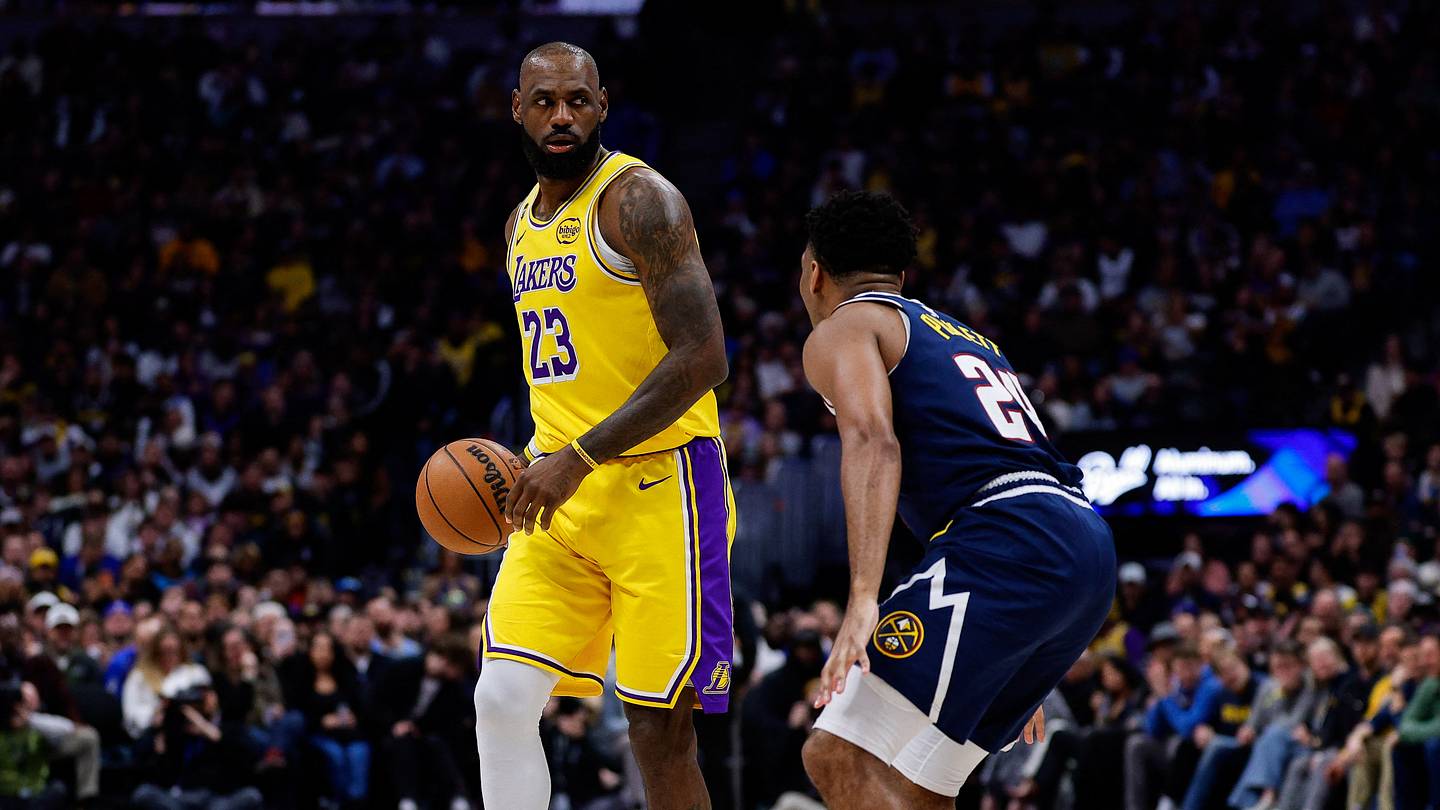
From a broader perspective, keeping Watson is described as "ideal" for the Nuggets, especially given their ambitious goals for immediate contention. The team is reportedly "perhaps still in the running for LeBron James," highlighting their desire to add another star. To attract a superstar of that caliber, Denver needs to present a "legitimate contending roster," and Watson's presence significantly bolsters that claim on both ends of the court.
Watson's specific skills offer crucial lineup flexibility and defensive solutions around Nikola Jokic. His defensive versatility allows him to guard premier perimeter threats and switch onto different positions, a vital component in navigating diverse playoff matchups.
On offense, his improved three-point shooting opens up crucial spacing, preventing defenses from collapsing entirely on Jokic's post-ups and drives, thus creating cleaner looks for everyone.
While not a primary ball-handler, Watson's athleticism also provides opportunities for valuable rim pressure, adding another dimension to Denver's attack when opponents overcommit to Jokic. His role has expanded beyond a pure 3-and-D player, showcasing a developing feel for the game and an ability to contribute in various offensive sets.
Losing that multifaceted impact would require significant roster retooling and potentially compromise overall team balance.
The negotiation also highlights the financial leverage at play for both the player and the team. For Watson and Klutch Sports, securing a robust contract that reflects his growing market value and future potential is paramount.
For the Nuggets, balancing his salary demands against their existing cap holds, future salary slots, and looming luxury tax considerations is a delicate act that impacts long-term sustainability. Every dollar committed impacts their future flexibility to make other moves.
Should a sign-and-trade become the chosen path, the Nuggets would be meticulously evaluating Watson's trade value across the league, seeking the best possible return. They would aim to secure assets that either address an immediate roster need, provide future draft capital to restock the pipeline, or offer a player on a more team-friendly contract.
This assessment is critical to ensuring they don't simply give away a valuable, ascending asset without a commensurate return.
For the fanbase, the stakes are undeniably high. Watson has been a homegrown talent, developing steadily within the Nuggets' system from a raw prospect into a legitimate contributor.
Watching a promising young player depart, especially one who has shown such tangible improvement and commitment, would be a significant disappointment. There is a clear desire among supporters to see the core, including its emerging young pieces, remain intact to chase more championships.
The situation with Watson exemplifies the complex strategic choices facing every successful NBA franchise striving for sustained contention. Balancing loyalty to developing talent with financial pragmatism, long-term cap health, and the relentless pursuit of championship glory is a constant challenge. Each decision has ripple effects on the team's cap sheet, roster cohesion, and competitive window for years to come.
Ultimately, Peyton Watson's future in Denver hinges on the resolution of these intricate negotiations, which will unfold quickly once the moratorium lifts. Whether he remains a cornerstone of their ambitious plans or becomes a valuable trade chip to reshape the roster, the outcome will significantly shape the Nuggets' path forward, determining the exact composition and depth of the legitimate contending roster they seek to build around their superstar core.

 Denver Nuggets