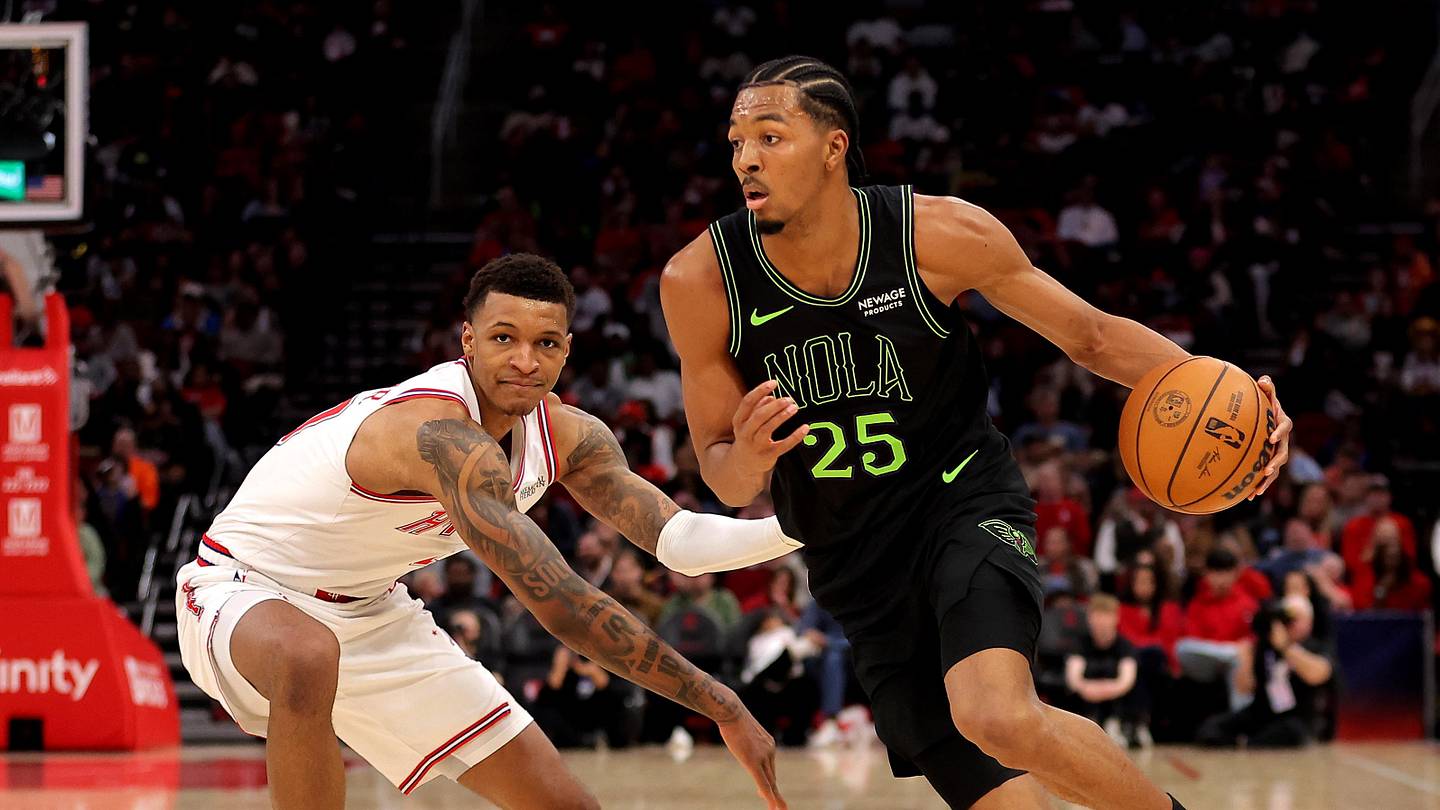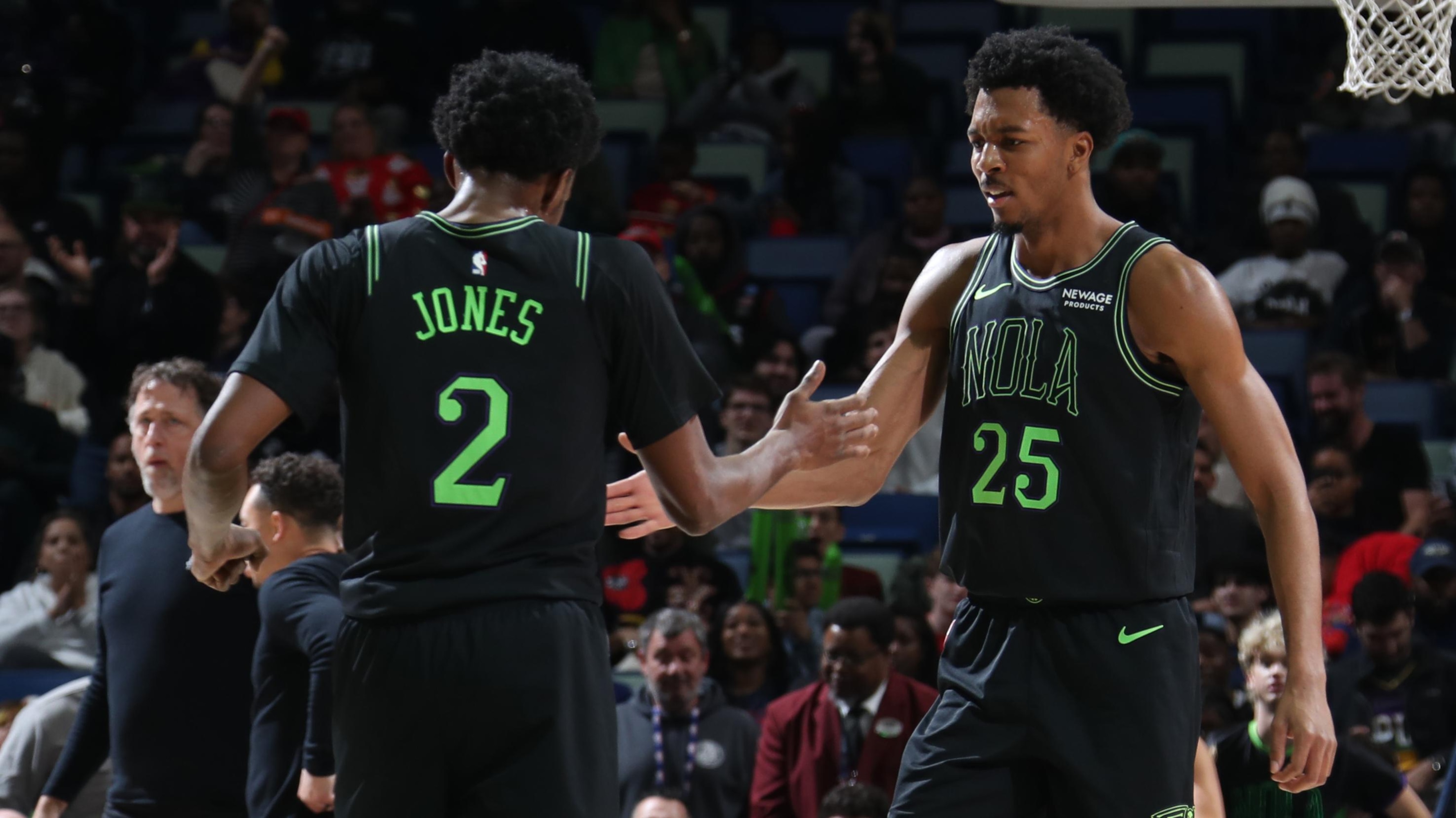
The New Orleans Pelicans are not actively courting offers for their swingmen Trey Murphy III and Herb Jones, but they remain open to proposals. The Boston Celtics have surfaced in recent discussions about Murphy, yet no concrete deal has materialized.
The franchise’s trade calculus centers on moving back into the top ten of the 2026 NBA draft. New Orleans already sent its 2026 first-round pick to the Atlanta Hawks, and the front office has signaled that any package must deliver a significant draft upgrade before they consider parting with either swingman.
Earlier this season the Pelicans placed a price tag on Murphy that mirrors a “Desmond Bane-type” offer. Bane’s recent move from Memphis to Orlando fetched a 2025 first-round pick, three additional first-rounders, a 2029 first-round swap, and the return of veteran Kentavious Caldwell-Pope, who carries nearly $44 million on his contract. That multi-asset package serves as a benchmark for what New Orleans hopes to receive.
New NBA lottery reforms have lowered the odds that Murphy or Jones could be turned into multiple first-round selections. General managers are now more inclined to protect their own draft capital, given the heightened variance in where lottery picks may land. Both players remain under team control for several more seasons, Murphy is not a free agent until 2029, and Jones holds a player option that could keep him in New Orleans through 2030.
From a roster standpoint, the two swingmen complement the Pelicans’ core identity. Murphy’s ability to stretch the floor and Jones’s length on defense provide flexibility without demanding immediate cap-heavy upgrades. Retaining them preserves the team’s ability to develop its young core while maintaining valuable draft assets.
The upcoming 2026 trade deadline will test whether a Bane-style package emerges. Absent a deal that includes multiple first-round picks and a veteran contract comparable to Caldwell-Pope’s, the Pelicans are likely to keep Murphy and Jones under their long-term deals. This approach reflects a broader league trend: preserving draft capital and roster continuity now outweighs the allure of short-term upgrades in a reshaped draft landscape.

 New Orleans Pelicans