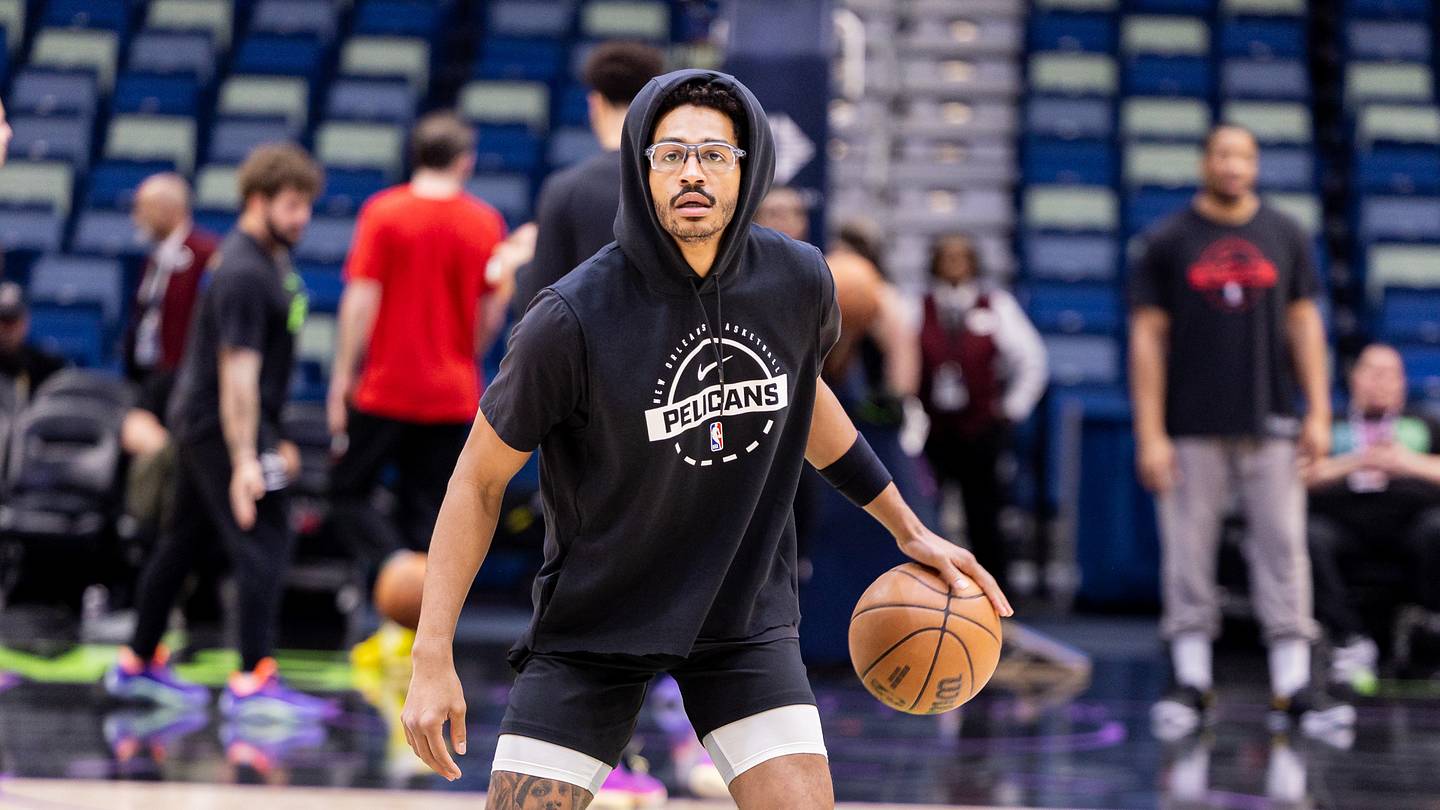
The New Orleans Pelicans have been the quietest franchise this offseason. The front office kept all veterans who still have trade value and, despite having cap space, has not signed any free agents. That inactivity leaves a glaring hole at the center position, a spot the team has struggled to fill all season.
Last year the Pelicans finished near the bottom of the league in defensive efficiency and rebounding. Those deficiencies cannot be solved with perimeter shooting alone; the team needs a true post presence to improve both ends of the floor. The NBA’s new lottery rules now reward teams that increase their win total, so the Pelicans cannot afford to sit idle while rivals add interior talent.
With free agency already well underway, the only realistic avenue for change is the trade market. The most obvious lever the Pelicans possess is Jordan Poole’s $34 million expiring contract. Poole’s on-court value is limited, but the sizeable salary attached to his deal could attract teams looking to add a veteran wing without sacrificing future assets. By packaging Poole, New Orleans can negotiate for a capable big man who can contribute immediately.
A quality center would give the Pelicans a reliable pick-and-roll partner and a defensive anchor in the paint. Adding interior toughness would allow the coaching staff to rotate more aggressively on the perimeter without exposing the rim. Because Poole’s skill set centers on off-ball shooting and provides limited defensive upside, he is an expendable piece in a roster that is still being rebuilt around its core.
If the Pelicans fail to acquire a center, they risk cementing a third consecutive season among the league’s worst teams. Under the new lottery incentives, a stagnant win total could push the franchise further back in the draft order and make the upcoming season even more challenging.
The trade deadline looms, and the Pelicans must identify a partner willing to absorb Poole’s contract in exchange for a starter-caliber big man. Turning the Poole contract into a quality interior anchor would not only address the most obvious roster deficiency but also signal that the organization is ready to act decisively, reshaping the narrative that has been dominated by offseason silence.

 New Orleans Pelicans