Detroit entered the offseason with a clear agenda: improve the pieces that limited a 60-win campaign and a second-round playoff run. The Pistons fell one series short of the Eastern Conference semifinals and, the year before, were eliminated in the first round by the New York Knicks. Front office leader Trajan Langdon used the summer to address those gaps, targeting both veteran depth and youthful potential.
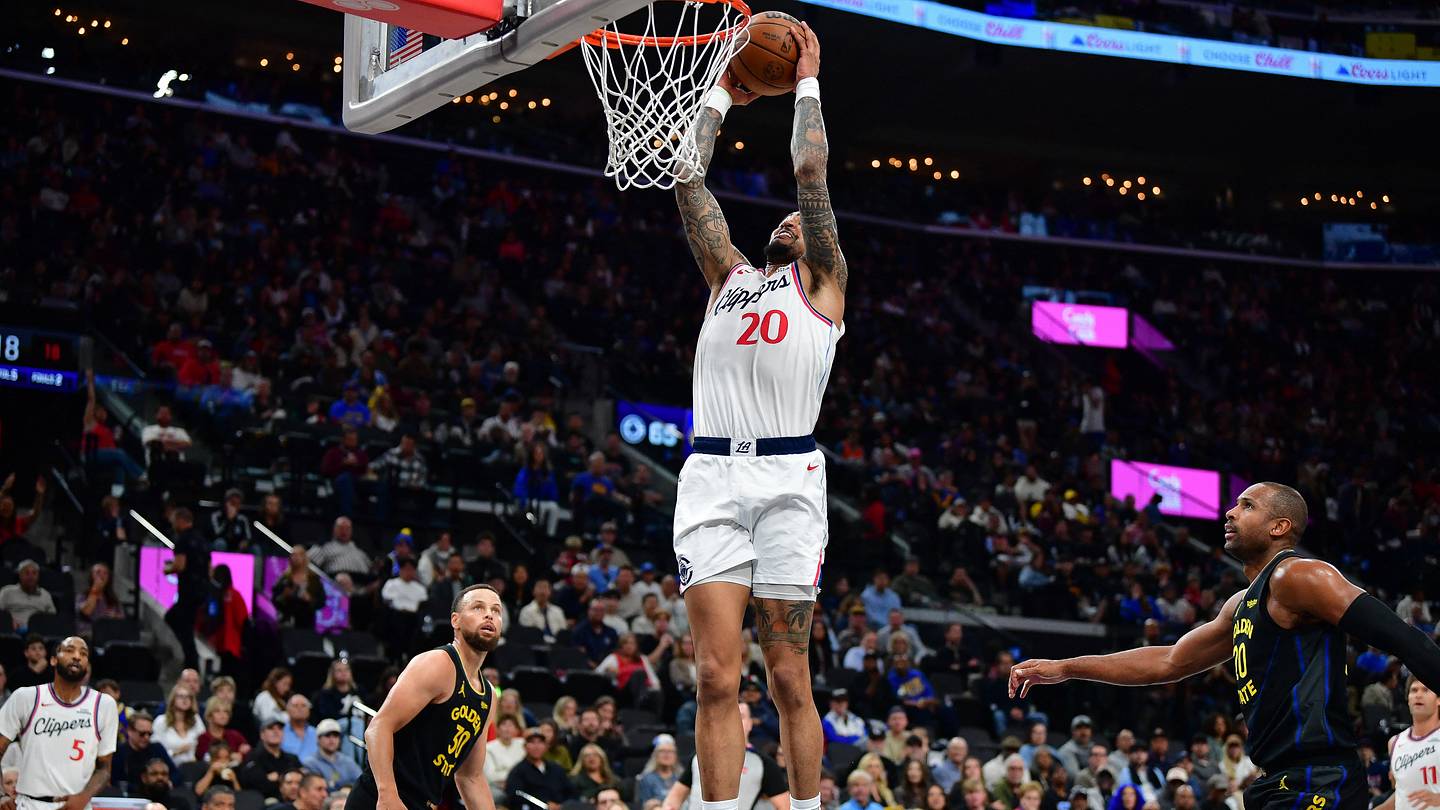
The most eye-catching addition is former Atlanta Hawks and Los Angeles Clippers power forward John Collins. Alongside Collins, Detroit moved up in the NBA Draft to select Stanford guard Ebuka Okorie, acquired former Oklahoma City Thunder guard Isaiah Joe, and re-signed sharpshooter Kevin Huerter. Each move fills a specific need: Okorie brings a floor-generating guard with mid-range reliability, Joe adds elite three-point shooting, and Huerter offers wing scoring that already proved valuable.
Collins arrives with a skill set that blends interior scoring, a soft touch from the elbow, and the ability to finish with either hand. In Detroit’s previous season, opposing big men often sagged into the paint, crowding the post and reducing spacing. By pulling defenders out toward the mid-range and delivering efficient post finishes, Collins directly counters that inefficiency. His experience on playoff-bound teams in Atlanta and Los Angeles also adds a veteran perspective that the young core lacked during high-pressure moments.
Offensively, the Pistons have relied on pick-and-roll actions anchored by their point guard, and Okorie’s ability to run the ball and hit mid-range jumpers creates a dual threat that forces defenses to choose between protecting the rim and closing out on the perimeter. Collins’ presence expands that dilemma; when the ball is swung to the wing, his readiness to slip to the high post or seal at the rim stretches defensive rotations. Coupled with Joe’s elite three-point accuracy, Detroit now possesses a multi-dimensional attack that mirrors the spacing-heavy models seen in the league’s top offenses.
If the new pieces gel as intended, Detroit should see its offensive efficiency rise above the previous year’s top-half league ranking. The combination of a floor-spacing big man, a sharpshooting guard, and a reliable wing shooter provides a balanced attack that can sustain a faster tempo without sacrificing interior stability. By addressing the spacing lapses that plagued last season’s playoff run, the Pistons position themselves to improve on the 60-win benchmark and contend more seriously in the Eastern Conference.
 Detroit Pistons