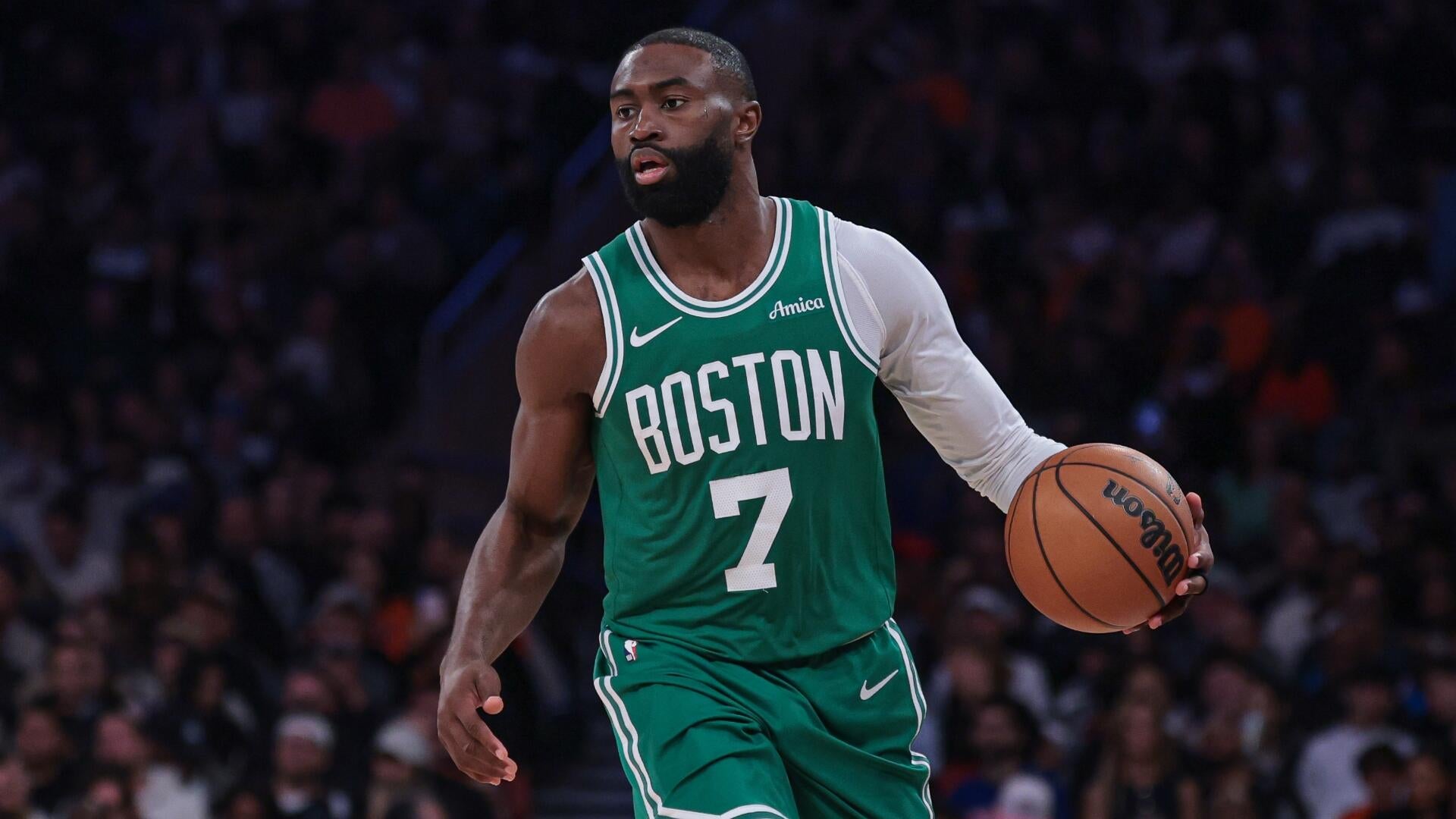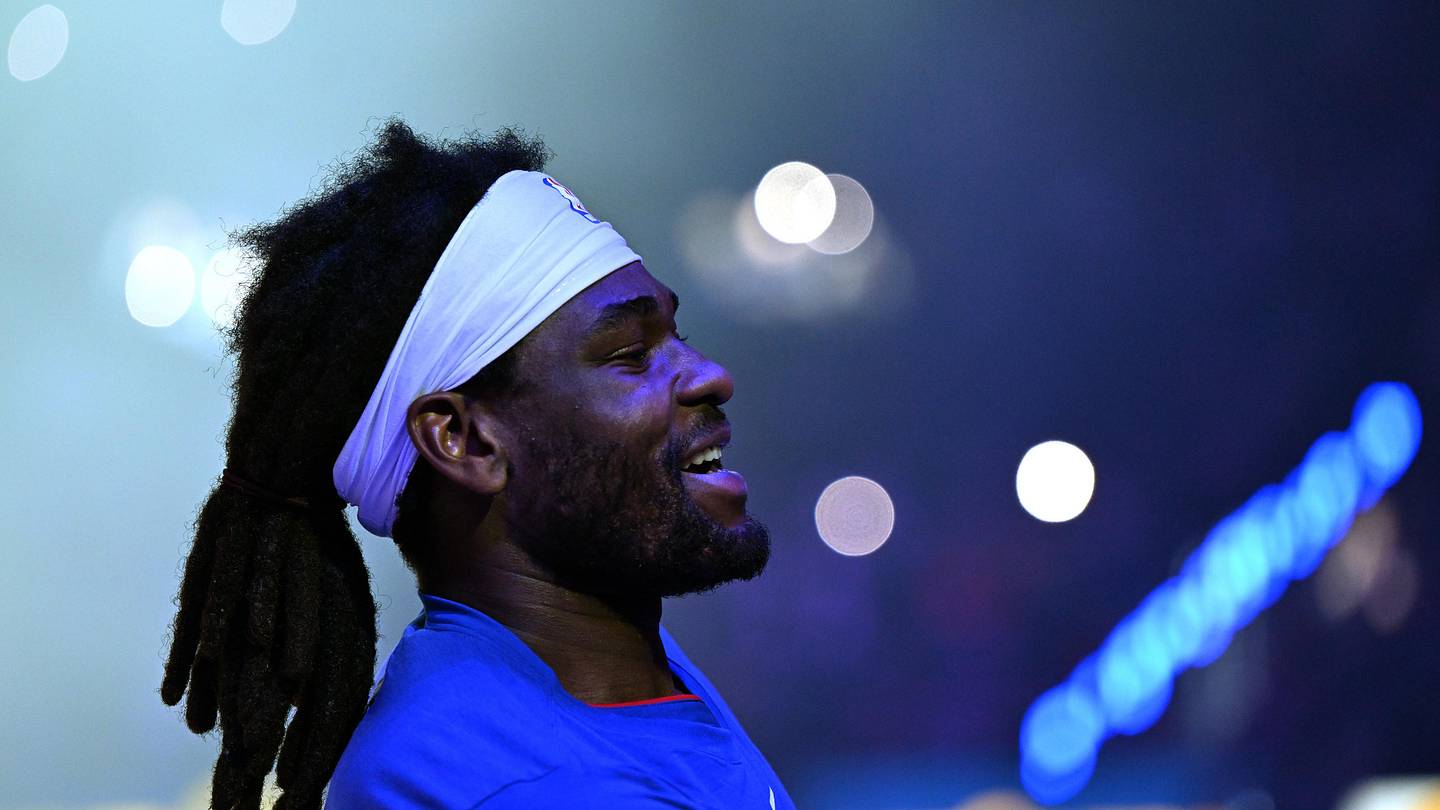
The Detroit Pistons moved Isaiah Stewart to the Memphis Grizzlies during the second round of the 2026 NBA Draft, receiving three future second-round picks in return. The trade ends Stewart’s six-year stint in Detroit and clears a sizable chunk of cap space just as free agency approaches, signaling that the front office is ready to reshape the roster before the summer market opens.
With the addition of those three picks, Detroit now controls fifteen second-round selections spread across the next seven drafts. While each individual pick carries modest value, the sheer volume creates a valuable bargaining chip. By bundling several of those picks with role players, the Pistons could acquire a higher-profile talent without mortgaging the core of their rebuilding timeline.
From a basketball perspective, the loss of Stewart removes a defensive anchor in the paint. Replacing that interior grit calls for a wing who can guard multiple positions and contest perimeter shots, a profile that matches New Orleans Pelicans forward Trey Murphy III. Murphy’s dominant defense aligns with Detroit’s need to maintain intensity on the defensive end while preserving spacing for its transition-heavy offense.
The Pelicans have indicated a willingness to move Murphy for a hefty return. A package that combines Detroit’s depth pieces with multiple future second-rounders would be attractive to New Orleans, which is looking to rebuild around its own young nucleus. This approach mirrors the Pistons’ recent strategy of stockpiling picks and then using them to acquire proven talent, a pattern that helped shape their veteran-leaning core last summer.
If a Murphy deal does not materialize, Detroit could still target a veteran like Miami Heat guard Norman Powell. Adding Powell would provide an experienced scoring punch and a short-term boost while the team continues to amass draft capital for a longer-term rebuild. Either path underscores the Pistons’ commitment to leveraging their draft assets to accelerate the roster’s evolution.
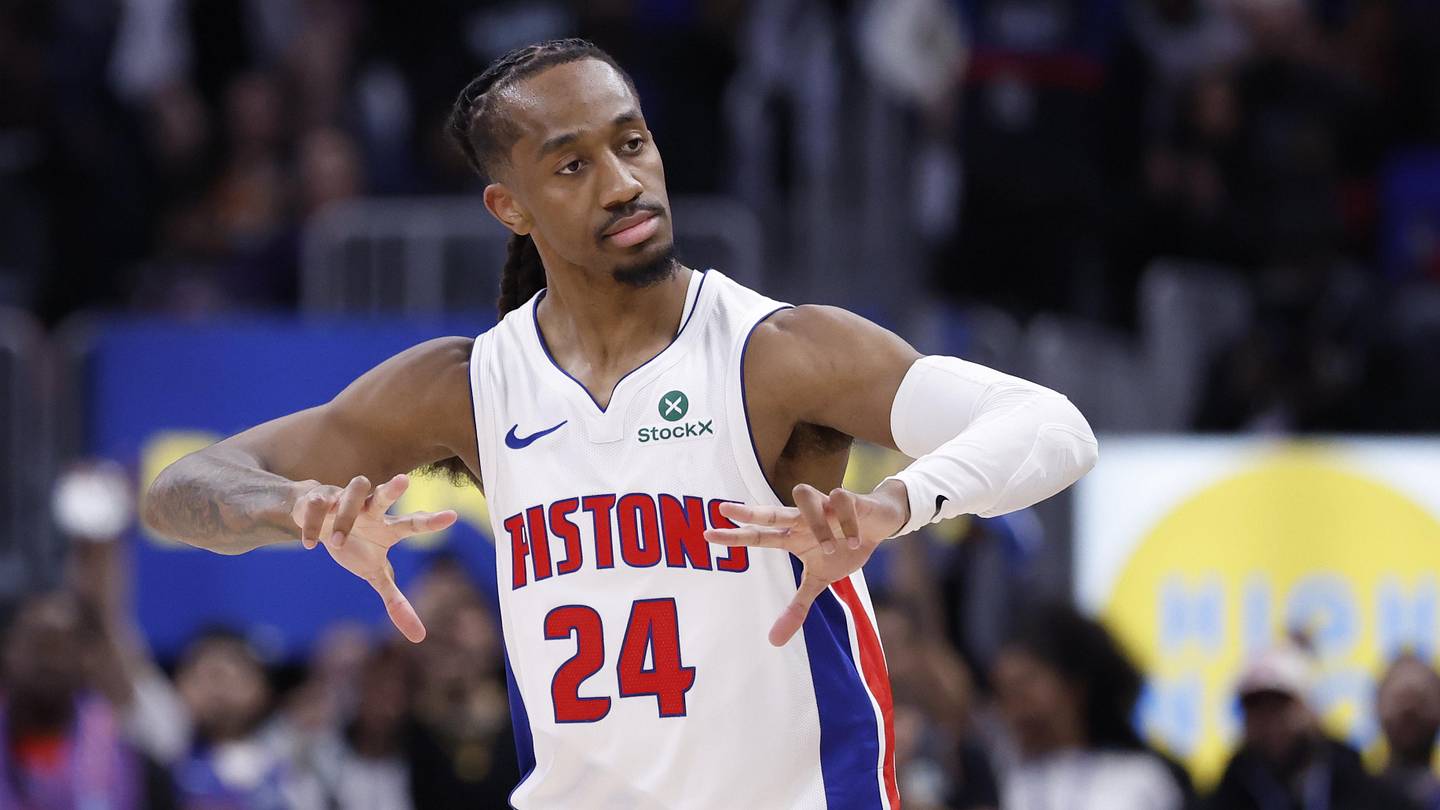
 Detroit Pistons