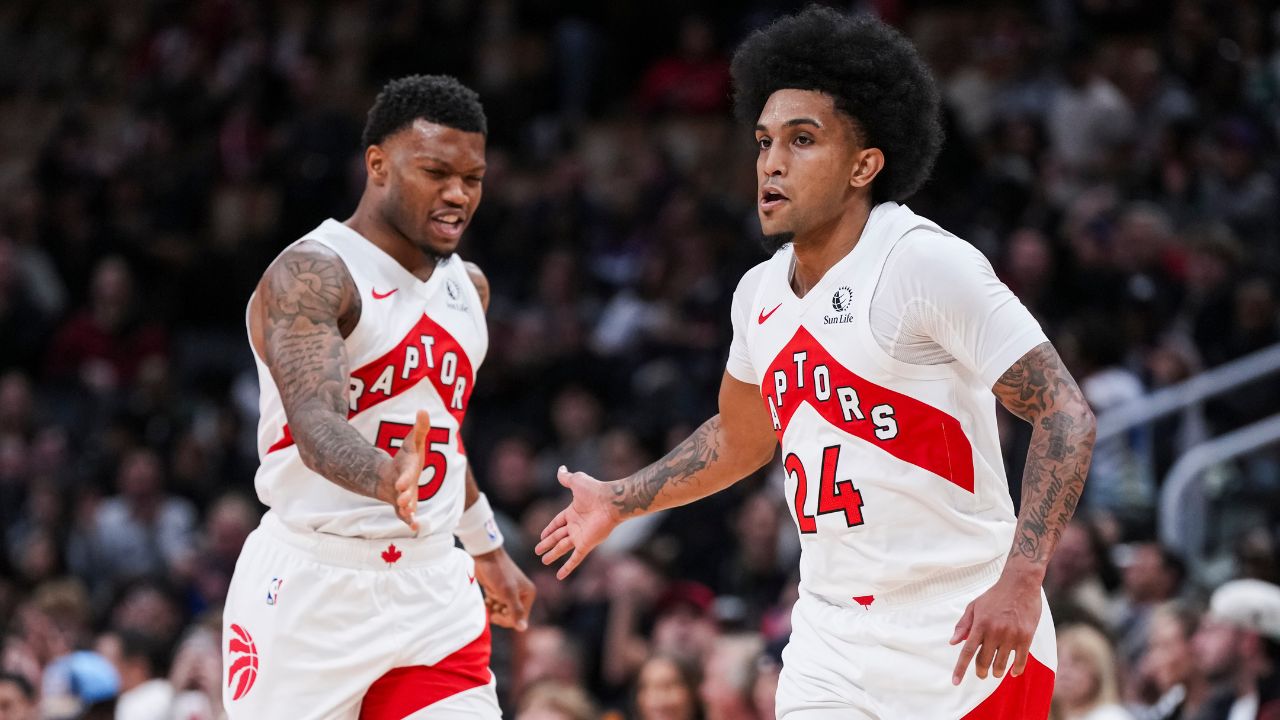
The NBA’s revenue stream has exploded in recent years, with players now sharing roughly $5.84 billion of the league’s $11.68 billion total income. That surge has pushed the salary cap for the 2026-27 season to $165 million, more than double the $70 million cap that existed when Toronto’s longest-serving player, Jakob Poeltl, was drafted in 2016.
Poeltl enters his 11th season carrying $104 million in guaranteed salary, a figure that sits uncomfortably close to the league’s first apron threshold of $209 million. Crossing that apron would trigger hard-cap penalties, limiting the Raptors’ ability to add depth through free agency or mid-season signings. The team’s payroll flexibility therefore hinges on how much of Poeltl’s contract can be offset by other moves.
Other franchises have already demonstrated how to maneuver within the same financial constraints. Boston, for example, moved five-time All-Star Jaylen Brown to Philadelphia, citing the $183 million, three-year deal as a potential burden on its cap structure. In San Antonio, Victor Wembanyama’s five-year, $252 million extension was deliberately stripped of performance bonuses that could have raised the total to $303 million, freeing space for additional roster pieces. Both cases illustrate a broader league trend: teams are reshaping contracts to stay beneath the $209 million first apron and the $221.7 million second apron.
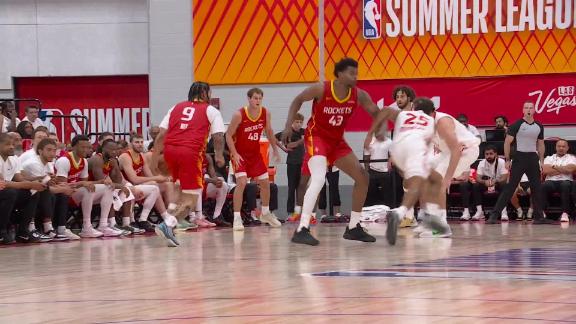
For Toronto, the immediate challenge is to preserve room for a mid-season acquisition while remaining compliant with the cap. Short-term, minimum-scale contracts provide a low-risk avenue to add shooters or defensive specialists without inflating the payroll. Sign-and-trade deals with cap-flexible partners also offer a pathway to acquire talent while shifting salary obligations. The Summer League can serve as a proving ground for undrafted or fringe players who could fill specific roles without a long-term financial commitment.
Looking ahead to the free-agency window, the Raptors are likely to prioritize roster depth that can be secured on modest deals. The combination of Poeltl’s sizable guarantee and the league’s stringent apron limits means that any large-scale signing would have to be offset by corresponding moves elsewhere on the roster. Maintaining a competitive roster while navigating these constraints will require the front office to continue leveraging short-term contracts, strategic trades, and careful cap management.
In a league where the player-share of revenue continues to climb, the Raptors’ situation underscores how even financially robust franchises must adapt their roster-building philosophies. The ability to stay under the $209 million apron while fielding a playoff-caliber team will be the true measure of Toronto’s cap-management acumen this offseason.