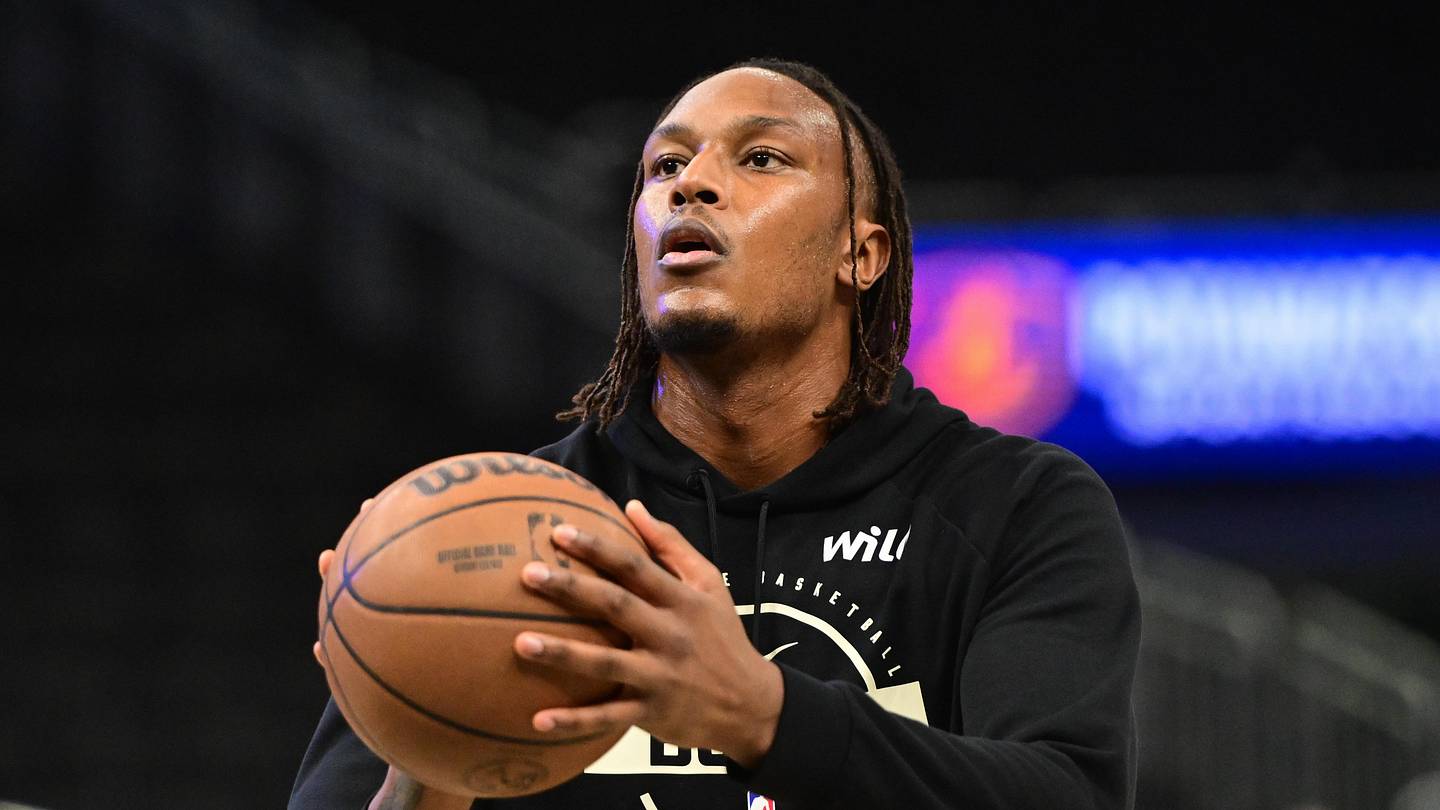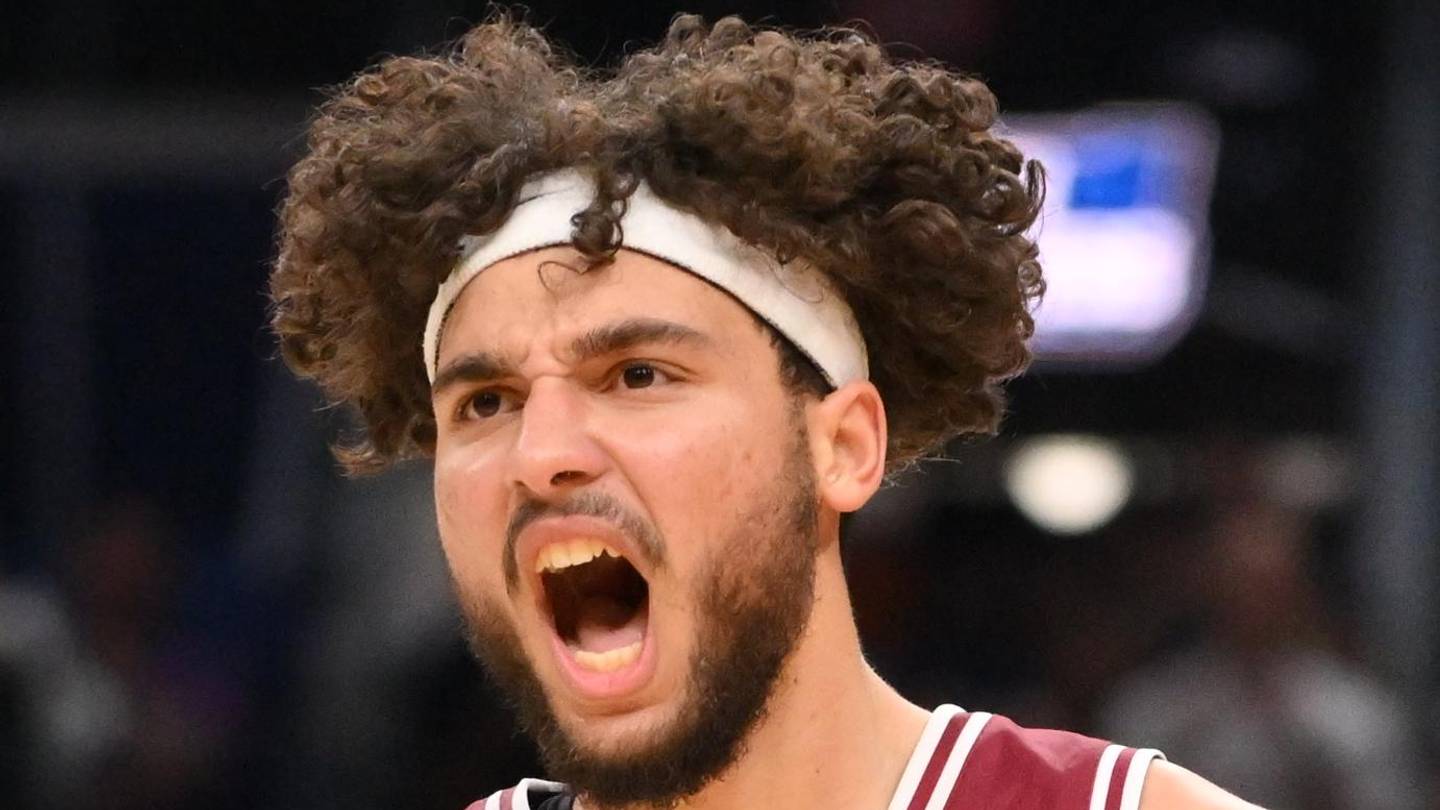
The Toronto Raptors selected Allen Graves with the No. 19 overall pick in the 2026 NBA Draft on Tuesday night. The decision ignited an immediate firestorm on social media, where fans voiced sharp criticism of the front office’s choice and questioned why other prospects were passed over.
Graves, who turns 20 next month, started only four games in his lone college season. The organization highlighted his upside despite the limited starting experience, indicating they see a developmental project that fits their long-term blueprint.
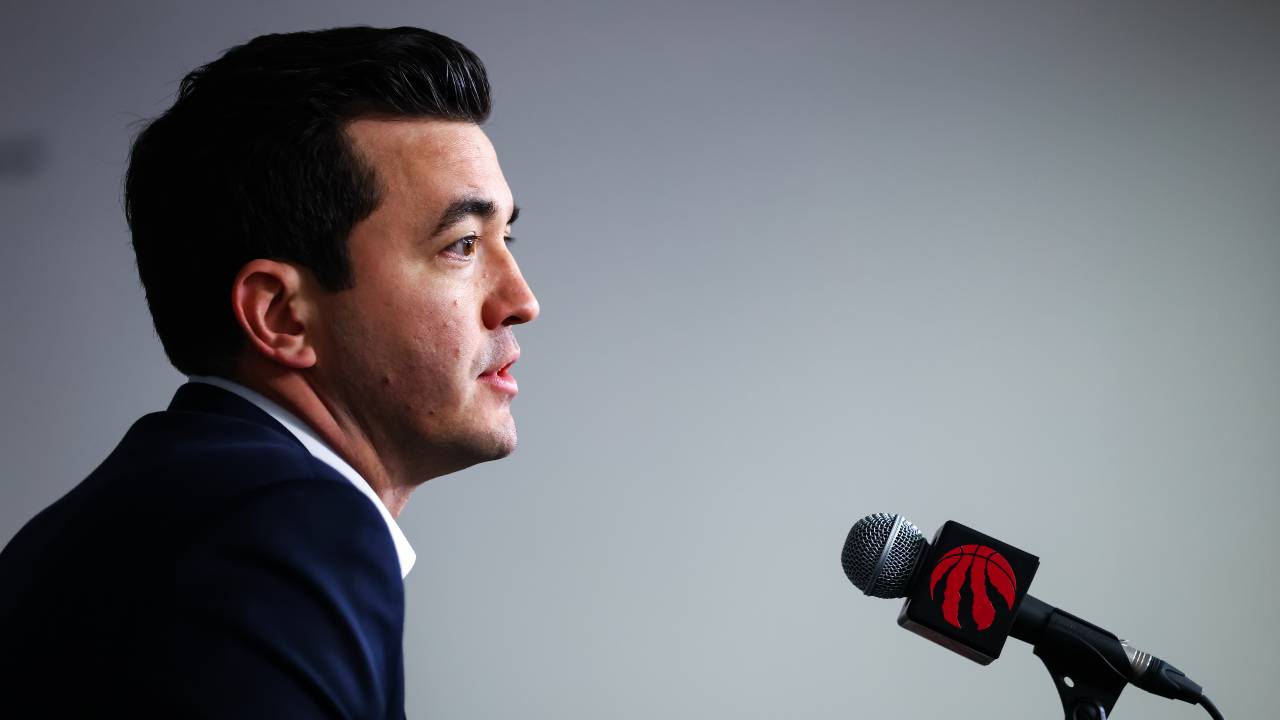
A handful of fan comments captured the frustration. One user wrote, “There was an NBA-ready guard in Bennett Stirtz and you didn’t trade for him. Pathetic.” Another lamented, “Bobby Webster taking the safe pick as usual, so boring.” A separate post declared, “Stop showing me this I already had to experience the pain the first time,” underscoring the emotional intensity of the backlash.
Bennett Stirtz, the Iowa guard whose stock had risen late in the pre-draft process, was selected No. 16 overall by the Memphis Grizzlies, who then traded him to the Oklahoma City Thunder. Kentucky center Jayden Quaintance was taken immediately after Graves at No. 20 by the San Antonio Spurs. Some fans argued that Quaintance could have added depth behind veteran center Jakob Poeltl, suggesting the Raptors missed a straightforward fill-in.
The pick reflects a clear preference for a player the Raptors view as a long-term asset rather than an immediate contributor. Integrating Graves into a forward rotation already featuring RJ Barrett, Brandon Ingram and Scottie Barnes will test the coaching staff’s development plan. The upcoming summer league will be the first real gauge of how Graves’ limited college experience translates to the NBA level.
The criticism also taps into a broader perception that the Raptors have favored low-risk selections in recent drafts. Fans point to Webster’s track record of “safe” picks as evidence that the franchise may be playing too conservatively in a draft class that, in their view, offered several higher-upside alternatives.

 Toronto Raptors