
Jae'Sean Tate has re-signed with the Houston Rockets on a single-year contract that reflects his status as the franchise’s longest-tenured player still on the roster. The veteran forward’s return underscores the organization’s desire to maintain continuity while navigating a roster that is increasingly focused on younger talent. By keeping a familiar face in the mix, Houston signals that experience and institutional knowledge remain valuable components of its rebuilding plan.
The terms of the new agreement are modest, with only a portion of the salary guaranteed. This structure signals that the Rockets view Tate as a low-risk depth option rather than a guaranteed rotation centerpiece. Last season, he saw limited action, logging brief minutes across a modest number of games, which positioned him more as a situational contributor than a regular starter. The partially guaranteed nature of the deal gives the club flexibility to adjust its roster without incurring a substantial financial penalty.
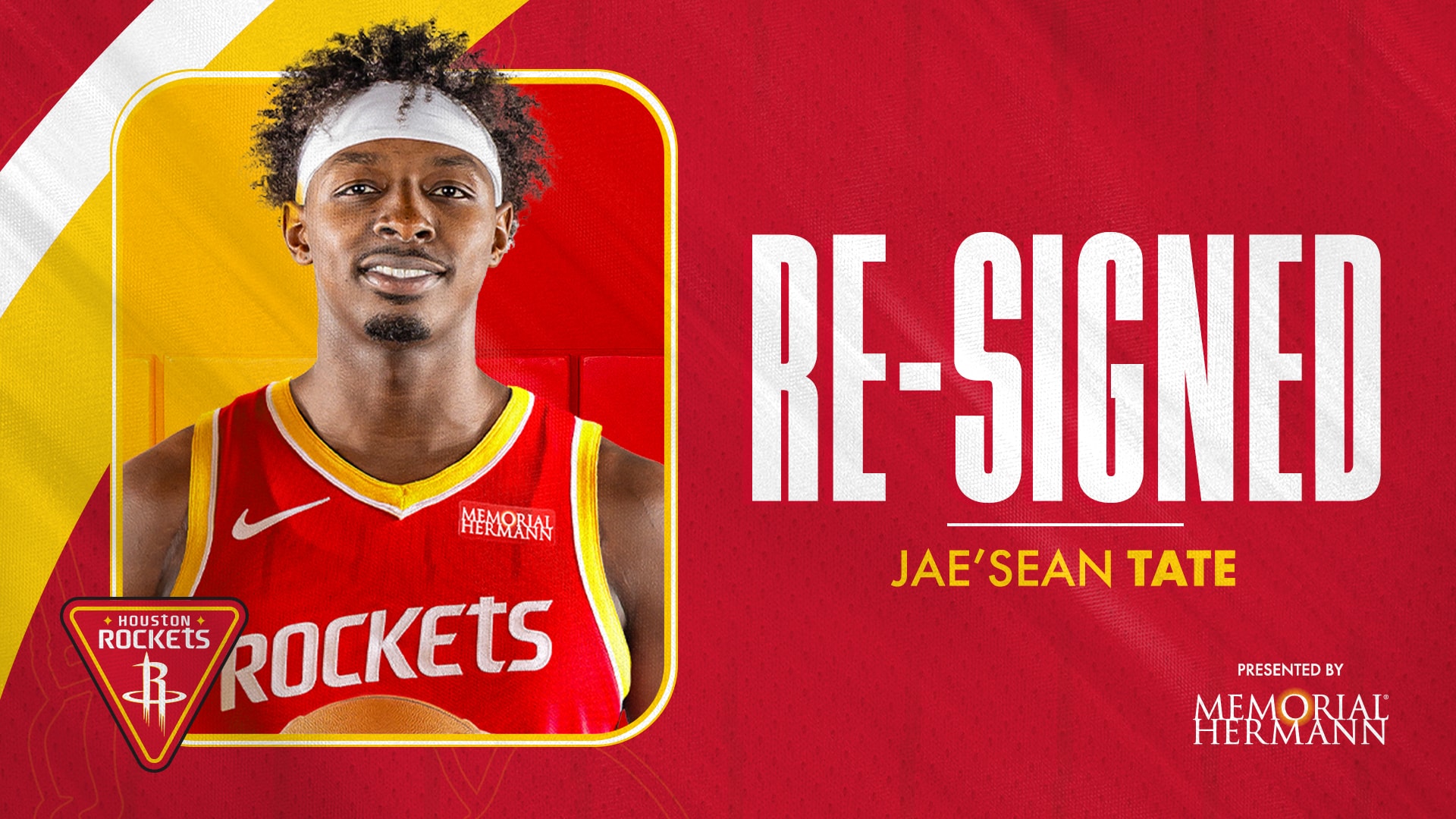
Tate’s primary value lies in his defensive versatility and his ability to guard multiple positions. He can step in as a spot-up shooter when needed, but his greatest strength is his capacity to switch on defense, fitting well with a system that emphasizes spacing and defensive agility. In practice, his veteran habits provide a benchmark for the younger players, offering a tangible example of professional preparation and work ethic that can help accelerate their development.
From a broader strategic perspective, retaining Tate aligns with Houston’s approach of preserving familiar pieces while allocating cap space to develop its draft assets. By keeping a long-standing member of the roster at a modest salary, the Rockets preserve flexibility to add higher-priced talent without jeopardizing their luxury-tax ceiling. This move also illustrates the front office’s commitment to continuity as it constructs a new core around emerging players, balancing experience with the need for financial prudence.
The upcoming training camp will serve as the true test for Tate, as he must compete for a roster spot amid a crowd of younger prospects. The partially guaranteed contract means the organization can waive him with limited financial impact should he not secure a regular-season role. This scenario places the onus on Tate to demonstrate his value through performance and leadership, reinforcing his relevance to a team in transition.