The Rockets enter the draft with two second-round slots at No. 39 and No. 53, and the roster shows clear holes. An injury to Fred VanVleet exposed a lack of true point-guard depth, and the team ranked 27th in turnover percentage last season. Outside shooting also lagged, prompting a need for better spacing. In the paint, the combination of Steven Adams’ injury and Clint Capela’s underwhelming production left Alperen Sengün largely isolated at center.
One of the most talked-about names on Houston’s board is Jaden Bradley. The Big 12 Player of the Year brings a strong three-point shot and solid playmaking ability, traits that could shore up the Rockets’ backcourt. Bradley’s experience as a primary ball-handler in a competitive conference suggests he could adapt quickly to a rotation that lacked a reliable distributor when VanVleet was sidelined.
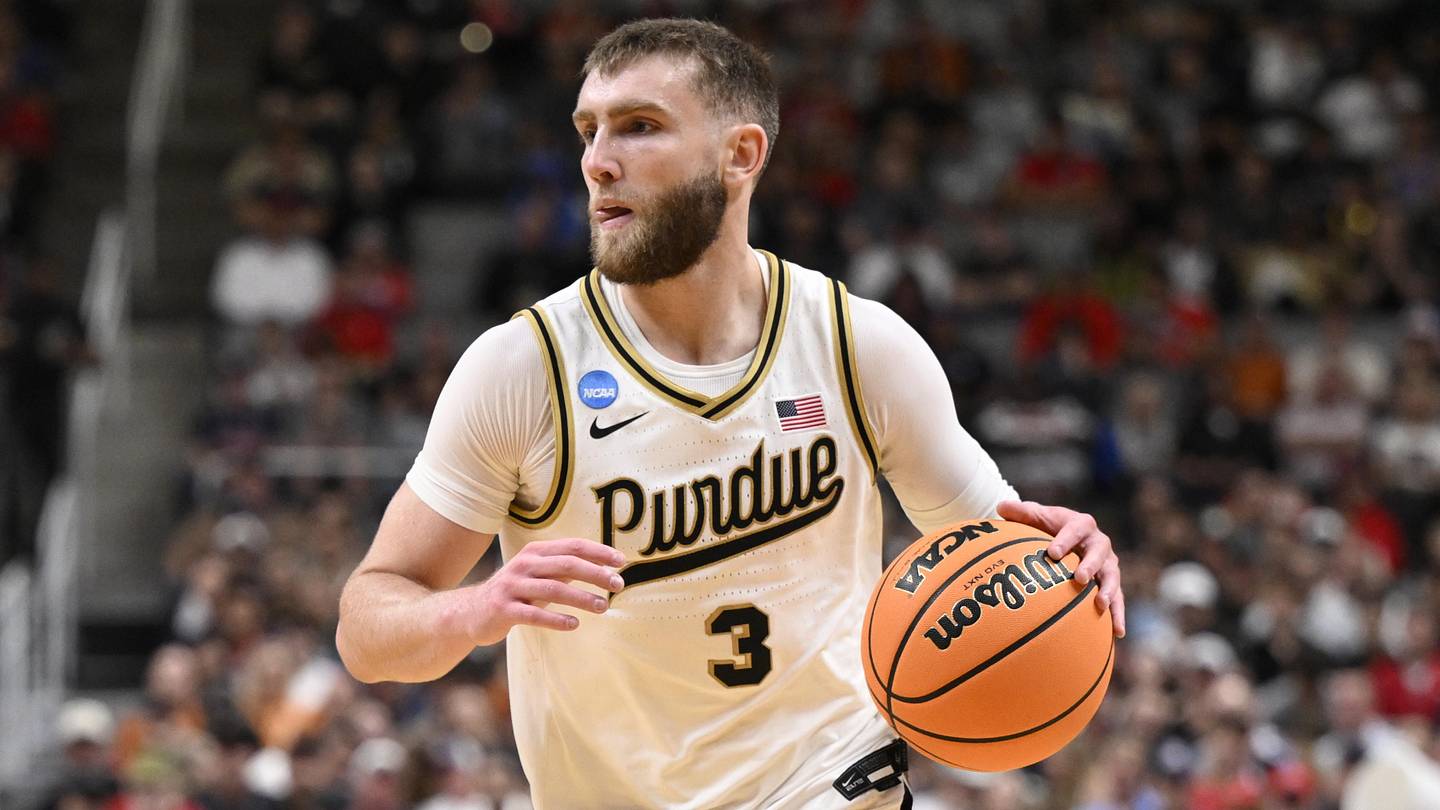
Richie Saunders offers a different kind of weapon. The former BYU star averaged 18 points, 5.8 rebounds and 1.7 steals per game before a season-ending torn ACL. His reputation as a movement shooter aligns with Houston’s desire for spacing, and his defensive contributions on the glass add two-way value. If the medical staff clears him, Saunders could provide immediate shooting depth while developing into a regular rotation piece.
Tarris Reed Jr. emerges as the frontcourt option. In the NCAA Tournament he posted 19.5 points, 13.2 rebounds and 1.5 blocks over six games, demonstrating the ability to dominate inside against elite competition. His physical presence and rebounding instincts would give Alperen Sengün relief in the post, allowing the young center to operate more freely on offense.
Beyond the three primary targets, the draft board still holds several intriguing names. Braden Smith, the all-time NCAA assist leader, could bring high-IQ facilitation despite his undersized frame. Nick Boyd, an electrifying scorer from the Big Ten, offers the ability to slash and finish at all three levels. Ugonna Onyenso, a seven-foot center from Virginia, posted 2.9 blocks per game off the bench, providing rim protection that could complement the Rockets’ interior defense.
The Rockets’ strategy appears to be a blend of immediate need and upside. Guard depth, three-point shooting, and interior toughness are the priority themes, and each of the highlighted prospects fits at least one of those puzzles. With the draft only days away, the selections at No. 39 and No. 53 will determine whether Houston adds ready-to-contribute pieces or high-ceiling projects that could shape the roster for years to come.
 Houston Rockets