Despite the New York Knicks' dominant 8-1 combined record against the Cleveland Cavaliers and San Antonio Spurs in the 2026 Eastern Conference Finals and NBA Finals, respectively, both opposing camps voiced sentiments of having outplayed the eventual champions. Cavaliers head coach Kenny Atkinson, facing a 3-0 series deficit, remarkably cited analytical “expected scores” to suggest his team was superior. Cavs guard James Harden echoed this, stating, “Genuinely, I do feel like we are the better team,” even after being swept 4-0.
The numbers, however, tell a different story for Cleveland. The Knicks thoroughly outplayed them, winning 12 of 16 quarters and an overtime period in their series. New York posted a 58.5 effective field goal percentage, a mark that would have led the regular season, while the Cavaliers managed only 49.8 percent, which would have ranked 30th. This nearly 9-percentage point differential dwarfs the 5.7 percentage points separating the first-place Denver Nuggets and last-place Nets during the regular season. Furthermore, the Knicks dominated the boards, securing 34.8 percent of their own misses and limiting the Cavaliers to a 26.5 percent offensive rebound rate, controlling two of the four key factors to winning basketball.
Cleveland's self-assessment feels like a desperate attempt to rationalize a resounding defeat. The statistical chasm in shooting and rebounding points to a fundamental mismatch in roster construction and scheme. The Knicks' ability to generate efficient offense and secure second-chance opportunities systematically dismantled the Cavaliers. The Cavaliers were not the better team. They were thoroughly outplayed, losing 12 out of 16 quarters and an overtime in the series, a performance that exposed deep flaws that a mere "better team" mentality cannot overcome.
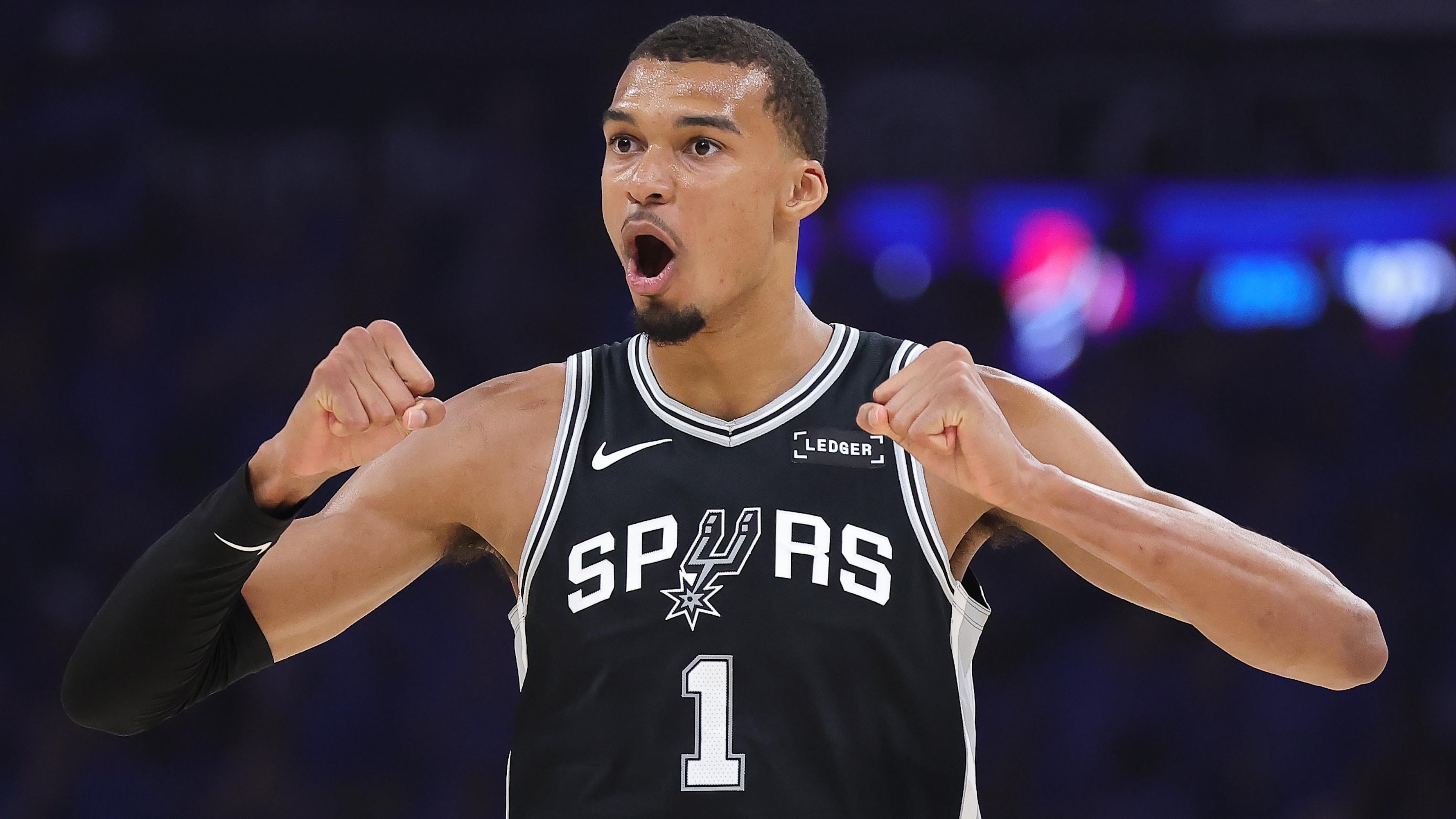
The Spurs, on the other hand, have a more compelling case for feeling they "outplayed" New York, despite losing the Finals in five games. They led for 72 percent of the minutes played and held double-digit leads in every game, including a 29-point advantage in Game 4. While the Knicks ultimately prevailed, requiring a "historic string of collapses" from San Antonio, the statistical parity in most categories, save for New York's rebounding advantage, suggests a far closer contest than the 4-1 series score indicates. The Knicks had a clear advantage on the glass, snagging 33.2 percent of their misses, a playoff high for a Spurs opponent, while holding San Antonio to only 28.6 percent on their offensive rebounding opportunities.
The Spurs defense limited the Knicks to a 110.1 offensive rating compared to 123.3 in their run to the Finals, but the Knicks were able to stifle the Spurs offense equally and eked out just enough shot-making to win games. This was one of the closest five-game series ever, and it should come as no surprise that the two teams are close in most statistical categories.

 San Antonio Spurs