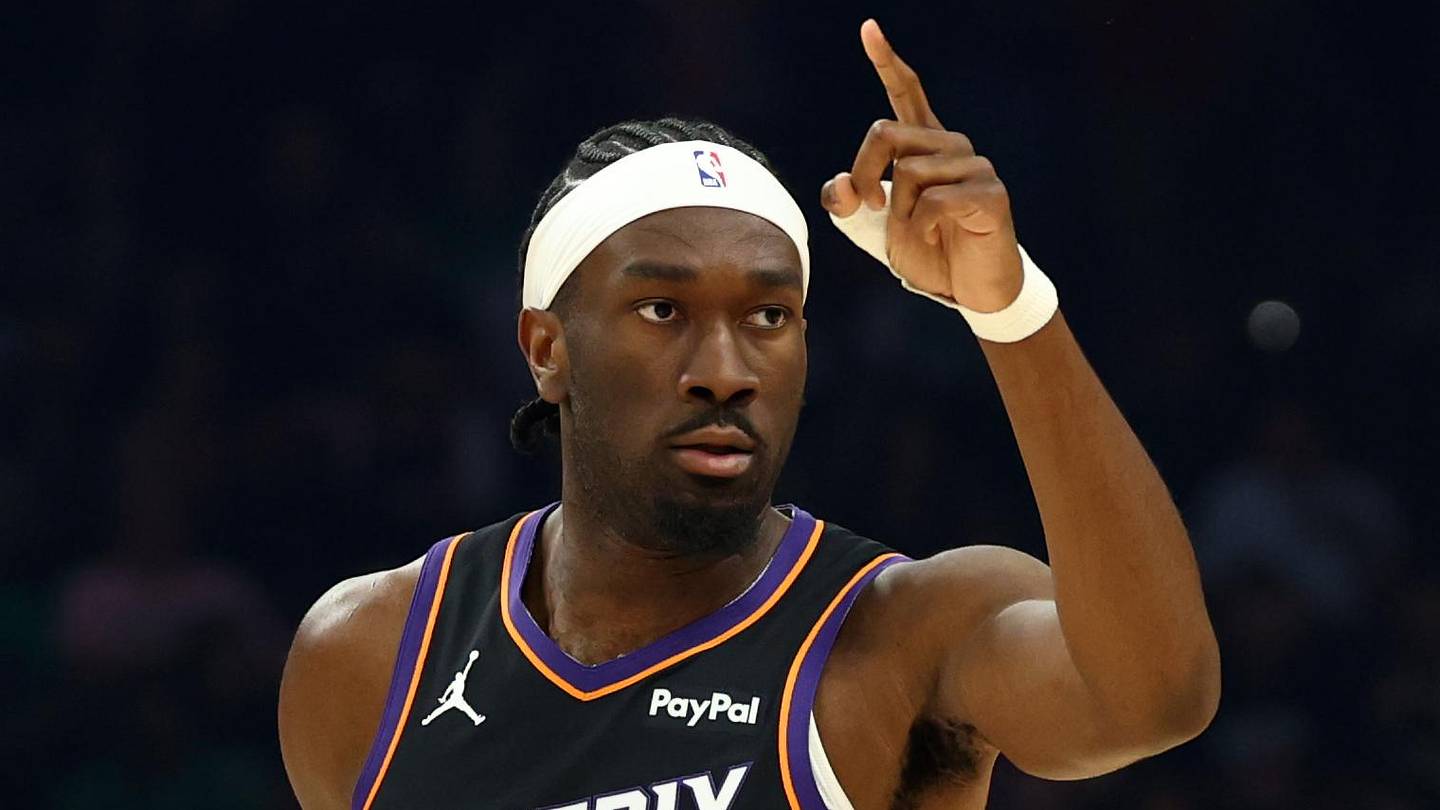
The silence of the NBA offseason often masks the intense financial calculations happening inside front offices. In Phoenix, the focus has shifted toward securing the interior of the roster before the official frenzy of free agency begins.
The Suns have taken a definitive step in that direction by extending a qualifying offer to center Mark Williams. This move transitions Williams into the status of a restricted free agent, a designation that provides the organization with significant leverage in the coming weeks.
According to reporting from Keith Smith, the qualifying offer is set at 9.6 million dollars. This figure represents more than just a standard placeholder for a young player.
It is a specific number triggered by Williams meeting the starter criteria during his time on the floor. For a player who has spent the last four years on a rookie scale contract totaling 18 million dollars, this single year offer represents a substantial increase in annual earning power.
Securing Williams at this price point is viewed as a strategic necessity for a Suns team looking to balance veteran production with salary cap flexibility. The 9.6 million dollar mark is a notable escalation from what his base qualifying offer might have been had he not hit those performance benchmarks.
By starting a sufficient number of games or playing heavy minutes, Williams proved his utility to the rotation even while battling the physical toll of a long season.
Health has been the primary variable in the evaluation of the young center. The 2023-24 campaign saw Williams struggle with availability down the stretch, missing significant time as the team pushed toward the postseason. When he was active, his impact was undeniable. He provided a physical presence in the paint that the Suns often lacked in his absence, serving as a vertical spacer and a reliable rim protector.
This duality of high level production and recurring injury concern makes the 9.6 million dollar figure a calculated risk. For the Phoenix front office, keeping the price tag under the ten million dollar threshold is a victory.
It allows the team to retain a proven talent while keeping enough room under the various luxury tax aprons to fill out the rest of the bench. The restricted status means the Suns can match any offer sheet Williams might sign with a rival franchise.
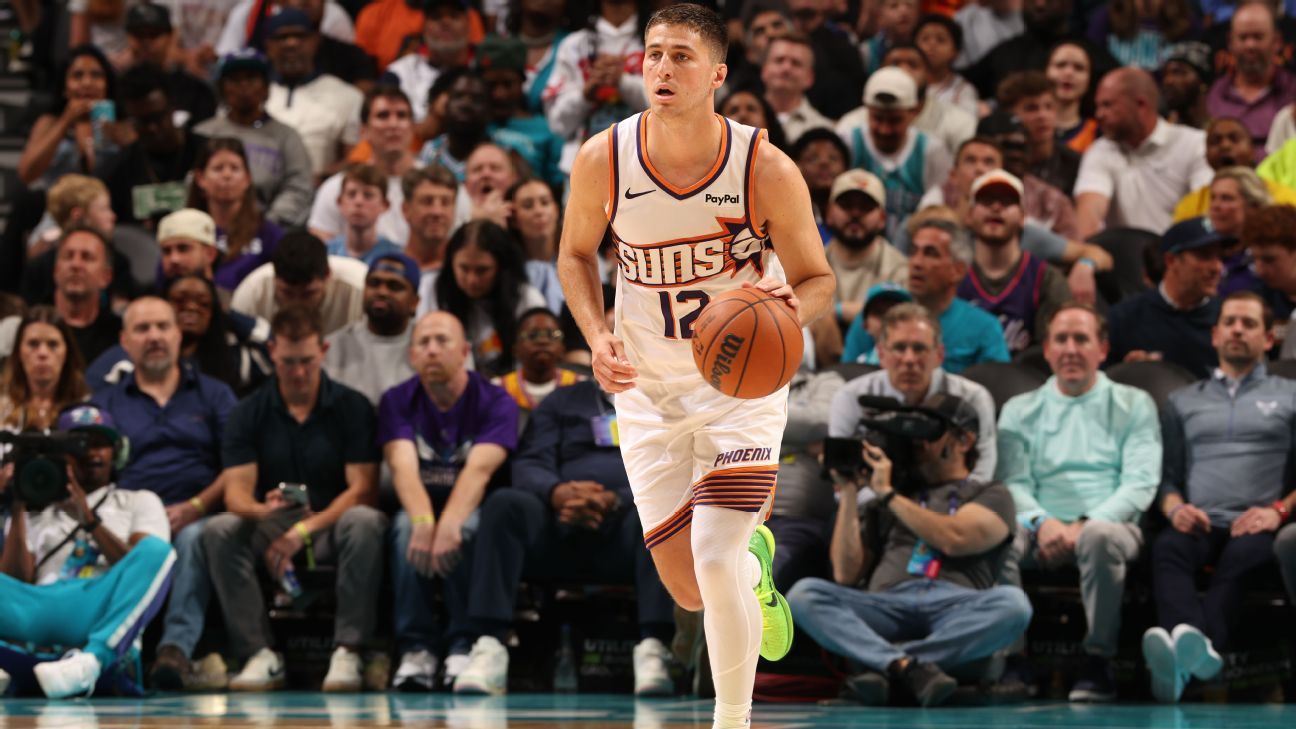
While the focus remains on Williams, the Suns are simultaneously juggling several other roster spots. The organization has already initiated conversations with pending free agents Collin Gillespie and Jordan Goodwin. These discussions indicate a desire to maintain continuity within the backcourt rotation. The team is looking for reliable ball handling and defensive energy at a cost that fits within their rigid financial constraints.
In the center room, the hierarchy is becoming clearer. The Suns are currently integrating young prospects like Oso Ighodaro and Khaman Maluach into the system.
These players represent the long term future of the Phoenix frontcourt, but they are still in the developmental phase of their careers. Having a player like Williams available to take the brunt of the minutes allows those younger prospects to grow without the pressure of immediate high stakes responsibility.
Williams has earned respect across the league for his specific skill set. During his healthy stretches, he caught the attention of opposing coaches. JJ Redick, now the head man for the Los Angeles Lakers, was among those who offered praise for the way Williams navigates the floor. His ability to finalize plays at the rim and alter shots without fouling makes him a valuable commodity in an era where mobile, high IQ big men are in short supply.
The qualifying offer does not end the process for Williams. He remains free to negotiate with any of the other twenty nine teams in the league. However, the Suns have effectively set the floor for his value. Any team interested in poaching the center will have to weigh the cost of an offer sheet against the likelihood that Phoenix will simply match the deal to keep their asset in house.
The starter criteria that boosted Williams’ offer to 9.6 million dollars serves as a testament to his growth. It is a mechanism designed by the collective bargaining agreement to reward players who outperform their draft slot. For Williams, it is a validation of the quality play he provided when his body allowed him to compete. For the Suns, it is the price of doing business with a player who has shown he can anchor a defense.
Beyond the primary roster, the Suns are also managing their two way slots. Reports indicate that the team has extended a qualifying offer to Brea for another two way contract. This move ensures that the pipeline of talent between the main roster and the developmental league remains intact. It is a low risk way to keep a shooter or a defender within the organization’s ecosystem while they evaluate the larger needs of the rotation.
The financial landscape for the Suns is notoriously tight. With several high priced stars occupying the majority of the salary cap, the front office must be surgical with their middle tier contracts.
Finding a starting caliber center for less than ten million dollars is an increasingly difficult task in the modern NBA market. If Williams can maintain his health, this qualifying offer could look like one of the more efficient uses of cap space in the Western Conference.
The decision to prioritize Williams early in the process suggests that the coaching staff views him as a central part of their defensive identity. His length and rebounding are traits that cannot be easily replicated by smaller lineups.
While the league continues to trend toward perimeter play, the value of a big man who can secure the defensive glass and provide rim pressure remains constant. Williams fits that profile whenever he is healthy enough to lace up his shoes.
The next few weeks will determine if another team is willing to test the Suns’ resolve. A rival with significant cap space could potentially front load an offer sheet to make it difficult for Phoenix to match. However, the Suns have signaled their intent. By placing the 9.6 million dollar offer on the table, they have told the league that they value Williams as a core piece of their immediate future.
The leverage now sits firmly with the Phoenix front office. They have protected their investment in a young player while acknowledging the reality of his market value. As the center room continues to evolve with the addition of Ighodaro and Maluach, Williams stands as the bridge between the team’s current aspirations and its long term development. The price is set, and the Suns are prepared to defend their position in the paint.
 Phoenix Suns
