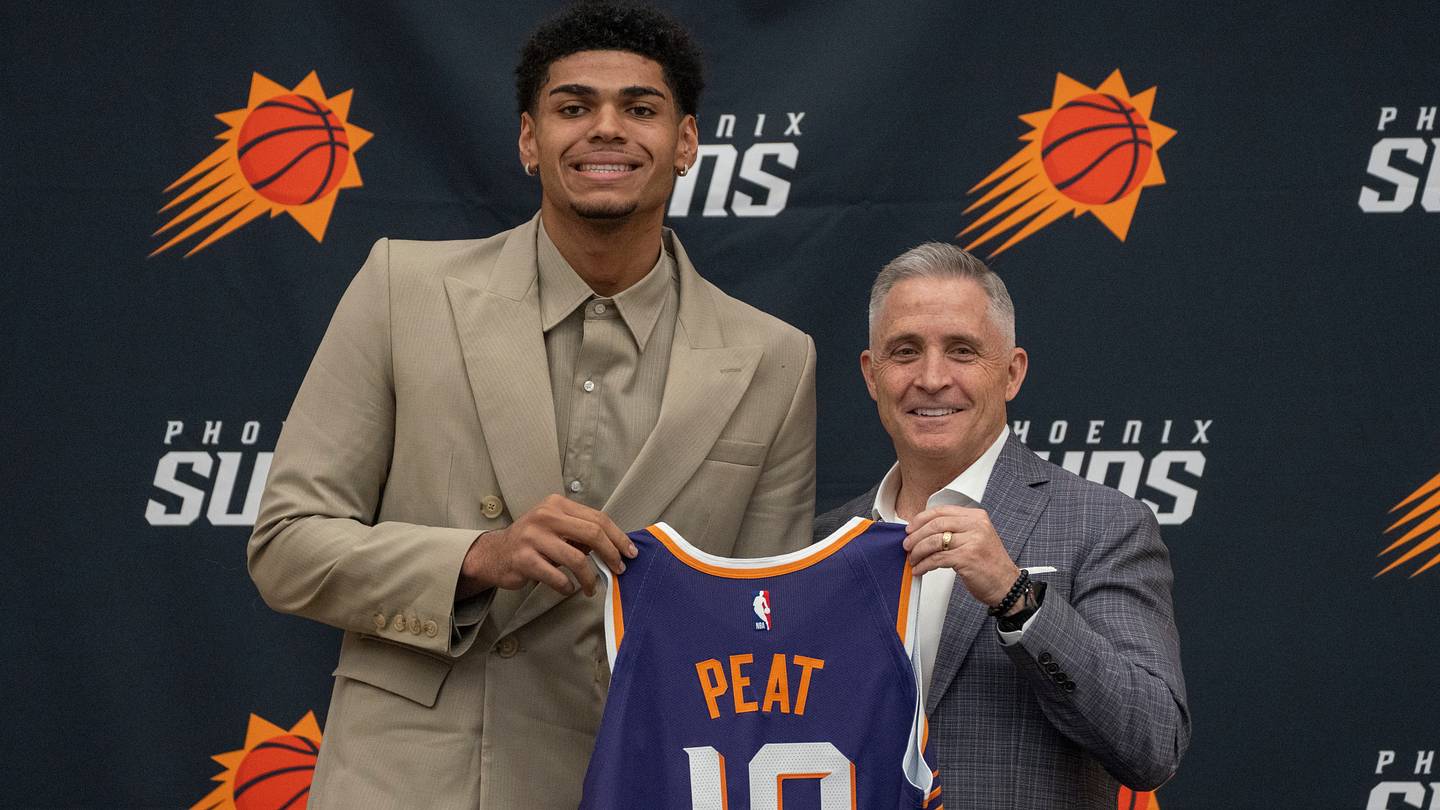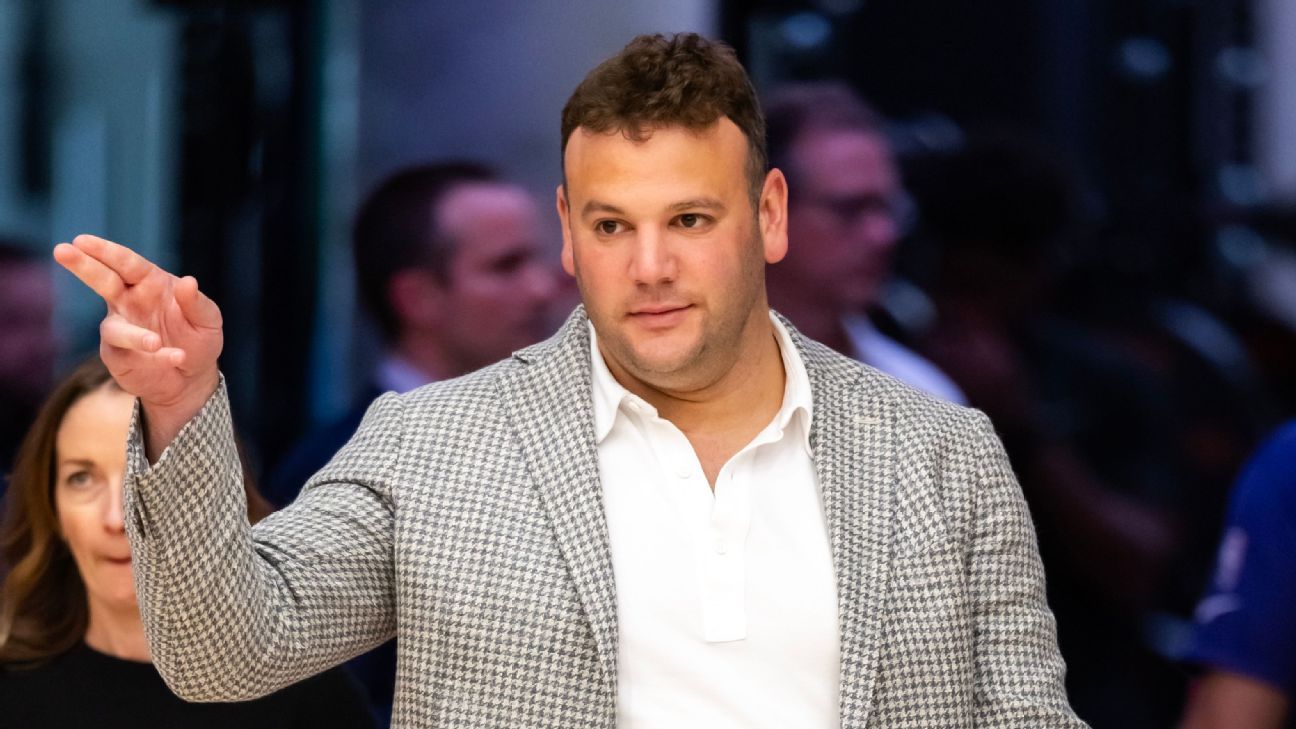
Josh Bartelstein will continue as chief executive of both the Phoenix Suns and the WNBA’s Mercury under a new multi-year deal. The extension, confirmed by league insiders, marks the latest step in a partnership that began when he assumed the dual role several seasons ago. By keeping the same leader at the helm of both franchises, Phoenix signals a commitment to a unified front-office strategy that bridges the NBA and WNBA.
The dual-CEO model remains relatively rare in professional sports, and it offers distinct advantages for a market that houses two high-profile basketball teams. With one executive overseeing business operations, arena management, and community outreach for both clubs, the organization can leverage shared resources, coordinate marketing campaigns, and present a cohesive brand to fans. The extension suggests that ownership believes Bartelstein’s approach has yielded enough stability to merit a longer horizon.
Continuity in the front office can also influence roster decisions and salary-cap planning. While the Suns and Mercury each face their own competitive timelines, a single executive can align long-term talent acquisition with broader financial goals. That alignment becomes especially valuable during free-agency periods and draft seasons, when timing and cap flexibility are critical. By extending Bartelstein’s contract, the franchise signals that it intends to maintain a consistent strategic vision rather than resetting priorities each offseason.
Player confidence often mirrors organizational stability. Veteran leaders on both sides of the court have historically praised clear direction from the top, noting that it allows coaches to focus on on-court development rather than front-office turbulence. The extension therefore does more than secure a job; it reinforces a culture of predictability that can translate into better performance, both in the regular season and the playoffs.
Looking ahead, the renewed agreement runs through several upcoming seasons, covering multiple cycles of NBA free agency and WNBA drafts. With that timeline in mind, the front office can map out long-range projects, such as arena upgrades, community programs, and talent pipelines, without the pressure of imminent leadership turnover. In a league where executive churn is common, Phoenix’s decision to keep Bartelstein at the helm underscores a belief that a steady hand can help the organization grow its brand, deepen its fan base, and remain competitive on both the men’s and women’s courts.
 Phoenix Suns