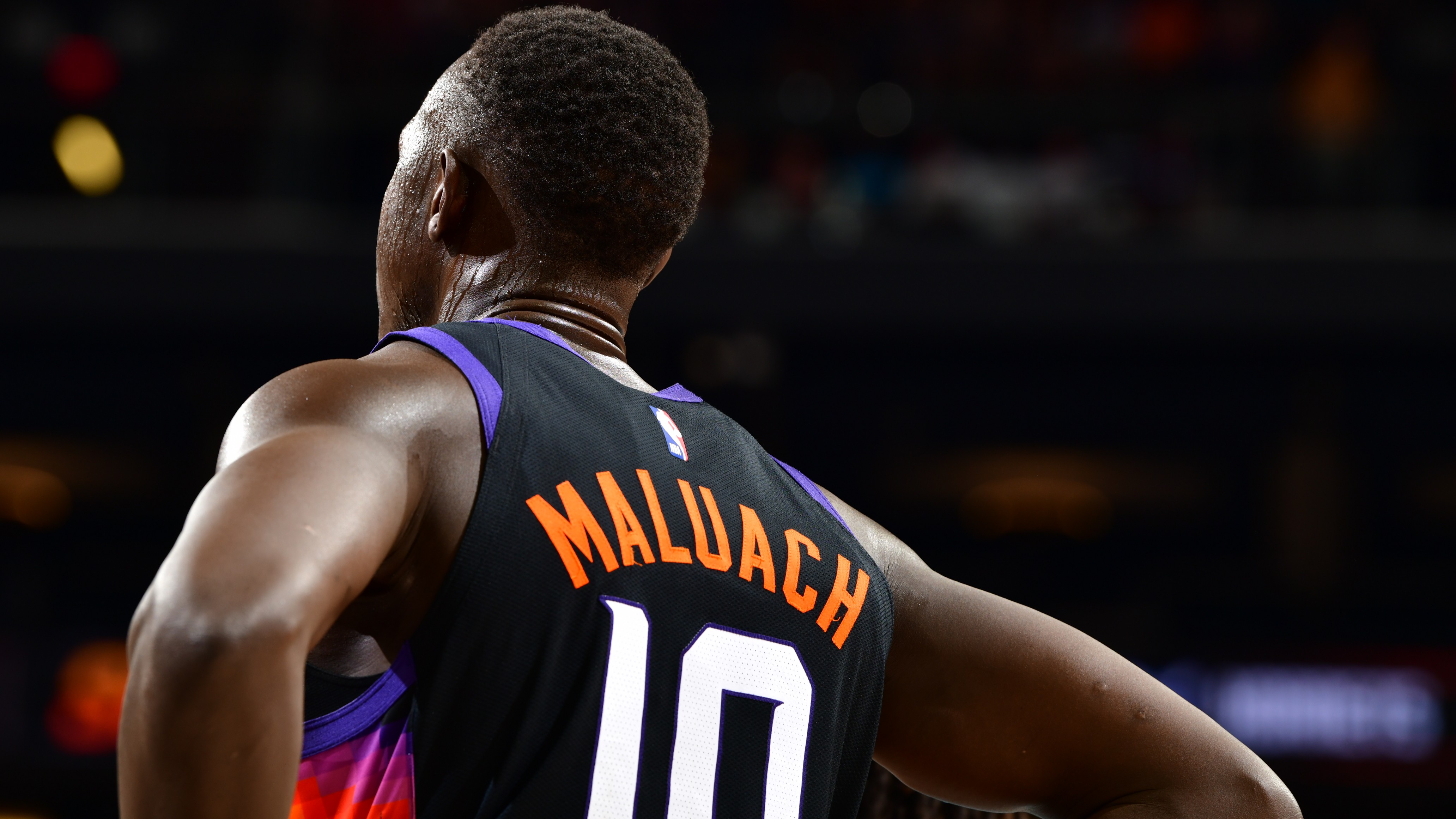
The Phoenix Suns acquired former Charlotte All-Star Miles Bridges in a trade that immediately drew sharp criticism from a prominent NBA insider, who summed up the reaction with a single line: “it just doesn’t add up.” The comment reflects a broader unease about how the move fits into Phoenix’s roster construction, especially given the limited assets exchanged for a player who has been a primary scorer in Charlotte.
Bridges brings a skill set built around slashing and finishing at the rim, a style that can thrive in transition and pick-and-roll scenarios. In a system that already features multiple playmakers, his ability to generate offense without the ball becomes a crucial factor. The concern is whether Phoenix can integrate that aggression without compromising spacing or creating redundancy among its perimeter threats. Analysts note that the Suns will need to balance his scoring punch with the existing rhythm of their ball-handling core, ensuring that each touch adds value rather than crowding the offensive flow.
Defensively, Bridges has shown moments of intensity but has not consistently been a lockdown wing. The Suns, already tasked with protecting the paint and containing opposing scorers, must decide how to allocate minutes without exposing a gap that opponents could exploit. His defensive profile suggests that the team will likely rely on scheme adjustments and strategic rotations to mask any lapses, while also leveraging his athleticism to contribute on fast breaks and defensive rebounding.
From a financial perspective, the Suns are operating close to the luxury-tax threshold, and adding a max-level contract deepens that commitment. The insider’s critique hints at the risk of over-paying for talent that may not translate into a proportional impact on wins, especially if the player’s defensive contributions remain average. This financial backdrop adds pressure on the front office to extract the maximum return from the deal, whether through on-court performance or future asset management.
Looking ahead, the true test will be how quickly Bridges adapts to Phoenix’s schemes and whether his presence reshapes the Suns’ identity on both ends of the floor. If the experiment falters, the front office may need to consider roster moves before the mid-season deadline to restore balance and preserve flexibility. The coming weeks will reveal whether the trade can become a catalyst for sustained success or a lingering question mark in Phoenix’s strategic roadmap.