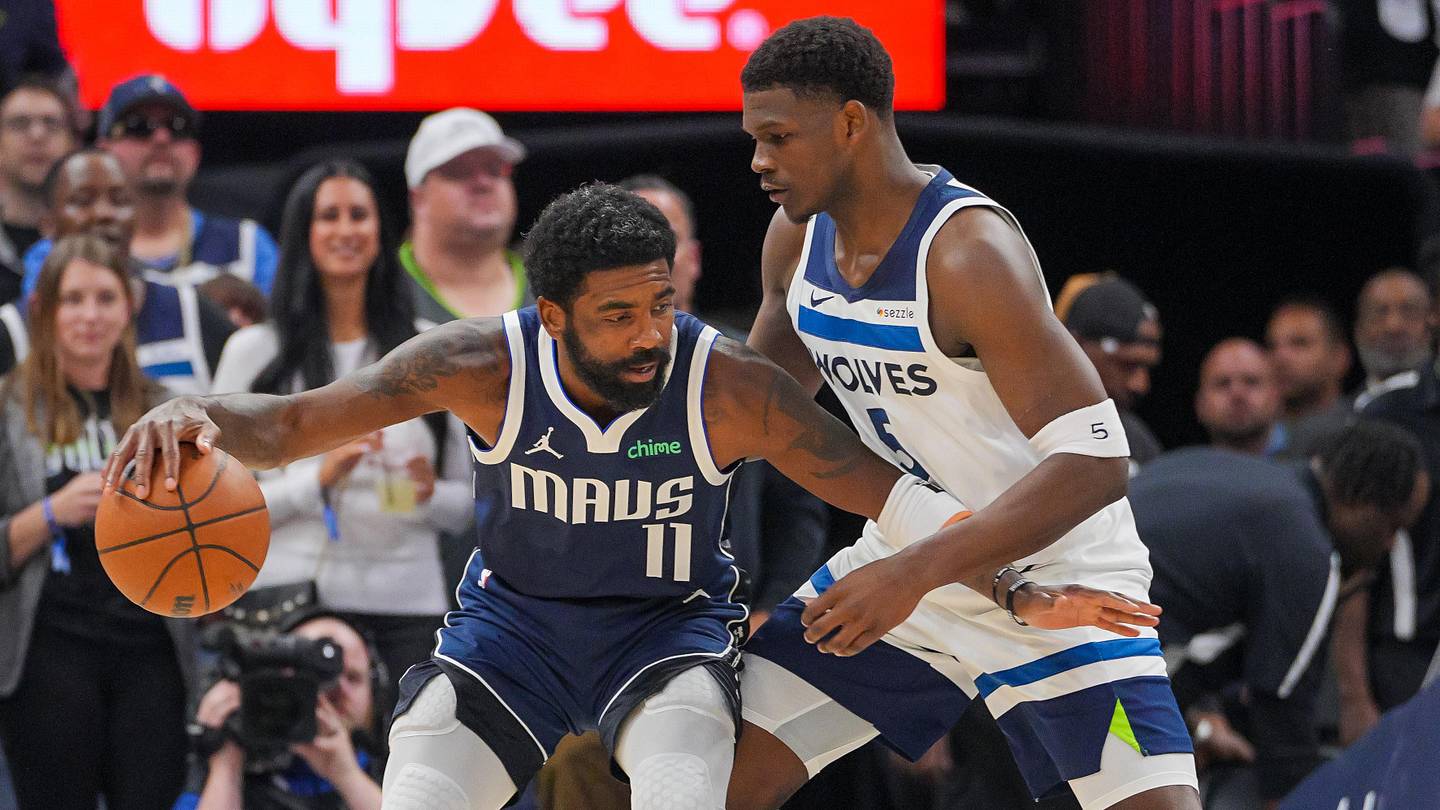
The offensive rhythm in Minnesota has reached a point of necessary friction. Despite a consistent presence in the postseason over the last five years, the Timberwolves have struggled to find the specific chemistry required to reach the NBA Finals.
The current roster construction has relied heavily on the individual brilliance of Anthony Edwards, but a recent playoff exit at the hands of the San Antonio Spurs has forced the front office to reconsider the team's ceiling.

While Edwards remains the primary engine of the franchise, the burden of orchestrating the half-court offense has become a visible strain. The team has operated without a traditional high-level floor general who can consistently manipulate defenses and create easy looks for the frontcourt.
This lack of a primary playmaker was exposed as a significant flaw during their most recent run, suggesting that the current core may have reached its natural limit.

Mike Conley has provided veteran stability for years, but his age is becoming a factor in his ability to maintain a high usage rate over a full season. The Timberwolves attempted to address the future of the position through the draft, yet the selection of Rob Dillingham is currently viewed internally as a swing and a miss.
With Dillingham failing to provide an immediate impact and Donte DiVincenzo sidelined by a recent injury, the need for a reliable ball-handler has moved from a long-term goal to an immediate necessity.
Rumors initially linked Minnesota to Boston Celtics guard Derrick White, a move that would have added championship experience and defensive versatility. However, the focus appears to be shifting toward a different profile of player. Darren Wolfson reports that the Timberwolves may now pivot their attention toward Josh Giddey, the 6'7" guard who spent last season with the Chicago Bulls.
Giddey represents a distinct stylistic departure from the smaller, scoring-oriented guards the Timberwolves have recently employed. As a former sixth overall pick, he possesses the size and vision that few players at his position can match. His ability to see over the top of defenses allows him to execute passes that are simply unavailable to smaller guards, a trait that could drastically improve the lineup fit alongside Rudy Gobert.
Last season was a statistically dominant campaign for the Australian guard in Chicago. Giddey averaged 17 points, 9.1 assists, and 8.3 rebounds per night during his fifth year in the league. Those numbers suggest a player who can impact every facet of the game without requiring a high volume of shots, making him an ideal partner for a high-usage star like Edwards.
One of the primary concerns regarding Giddey throughout his early career was his efficiency from the perimeter. Scouts and analysts often viewed him as a liability from beyond the arc, which allowed defenders to sag off and clog the paint. However, that narrative has shifted into a myth over the last two seasons, as Giddey has consistently shot 36 percent or better from three-point range.
This improved spacing makes Giddey a much more dangerous threat in pick-and-roll scenarios. If defenders can no longer go under screens with impunity, Giddey can use his leverage to get into the lane and find Gobert or Jaden McDaniels for easy finishes. His pass-first mentality would likely alleviate the pressure on Edwards to act as the sole creator, allowing the young star to focus on his strengths as a primary scorer and rim-pressurer.
Acquiring a player of Giddey's caliber will not come without a significant cost to the existing rotation. The Timberwolves are reportedly considering making several key players available in trade discussions to facilitate a deal. Julius Randle, Donte DiVincenzo, and Naz Reid are all names that have surfaced as potential trade chips in a move for a playmaking guard.
Randle and DiVincenzo were brought in to provide veteran scoring and toughness, but their roles may be redundant if the team chooses to prioritize a pure point guard. Moving Naz Reid would be a particularly difficult decision for the fan stakes in Minnesota, given his popularity and his role as a versatile big man off the bench.
However, the front office appears to recognize that the current configuration is not enough to get over the hump in a crowded Western Conference.
The Chicago Bulls are in a unique position to facilitate such a blockbuster move. Chicago enters the upcoming offseason with the most cap space in the league, giving them the flexibility to absorb larger contracts in exchange for draft capital or young talent. This financial leverage makes them a natural trade partner for a Minnesota team that is looking to retool its secondary units around Edwards.
If the Timberwolves were to successfully land Giddey, it would signal a massive shift in their tactical approach. Instead of relying on a collection of individual scorers, the team would be moving toward a more structured, pass-oriented system. Giddey is a player who thrives when he has the ball in his hands, but his primary objective is always to create opportunities for his teammates rather than hunting his own shot.
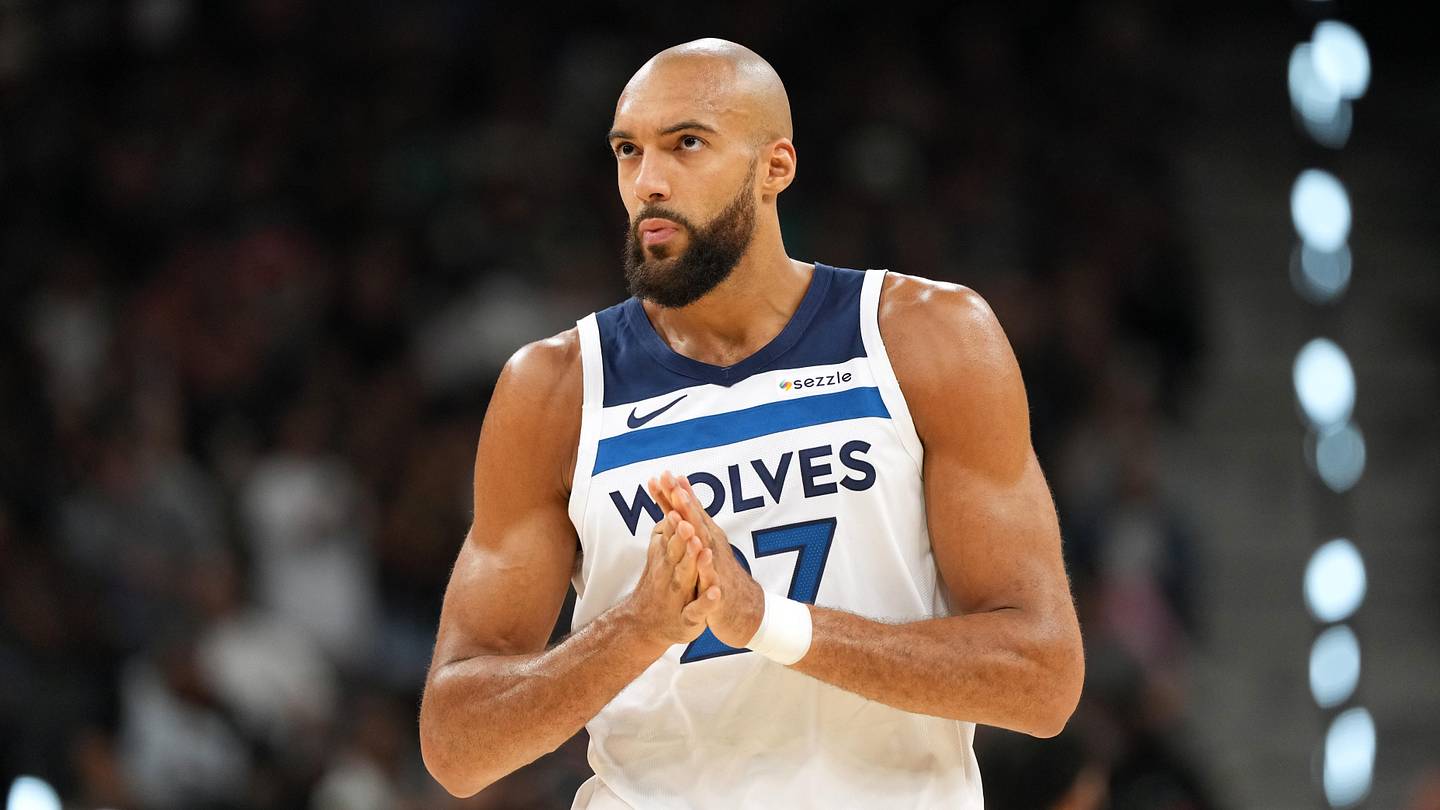
This change in philosophy could be exactly what is required to unlock the full potential of Rudy Gobert. The French center is at his best when he is paired with a guard who understands timing and lob placement. Giddey’s feel for the game and his willingness to reward big men for their rim runs could transform the Timberwolves' transition offense and improve their efficiency in the half-court.
The stakes for Minnesota are incredibly high as they navigate these rumors. They have invested heavily in a core that has proven it can win regular-season games, but the postseason remains a different challenge entirely. The interest in Giddey suggests that the organization is no longer content with being a perennial playoff participant and is now looking for the specific missing piece that can turn them into a championship threat.
Trading away established veterans like Randle or Reid would be a gamble that carries significant risk. If the chemistry does not improve, the team could find itself with fewer offensive weapons and a thinner bench. Yet, the persistent lack of a true floor general has been a recurring theme in every recent Timberwolves failure, making the pursuit of a player like Giddey a logical step forward.
As the offseason approaches, the front office will have to weigh the trade value of their current assets against the potential upside of a 6'7" playmaker who is just entering his prime. The Western Conference shows no signs of getting easier, and the Timberwolves cannot afford another season of stagnation.
Bringing in a pass-first guard like Giddey would change the geometry of their offense and provide the balance they have lacked during the Anthony Edwards era.
Ultimately, the decision to pivot from a veteran-heavy rotation to a team led by a young, elite distributor will define the next chapter of basketball in Minnesota. The interest in Giddey is more than just a rumor; it is a recognition that the current path has hit a wall. By prioritizing playmaking and size in the backcourt, the Timberwolves are finally addressing the specific flaws that have kept them from the NBA Finals.
 Minnesota Timberwolves