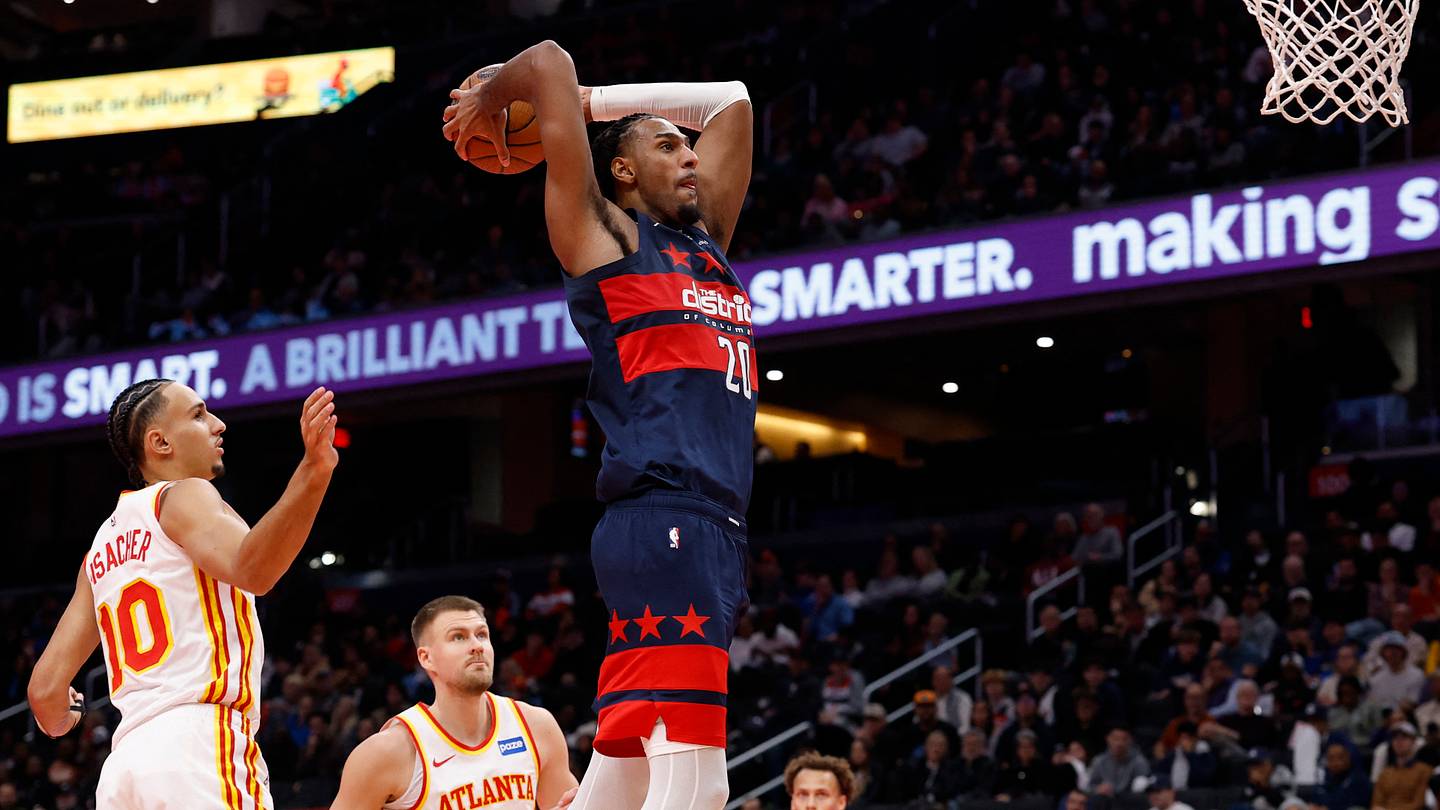
A recent tally shows only 14 players who were selected No. 1 overall in the NBA Draft remain active in the league. The Washington Wizards and the Dallas Mavericks together account for six of those elite selections, giving each franchise a disproportionate share of the league’s most coveted draft pedigree.
Having six former No. 1 picks across two rosters creates a unique concentration of top-draft talent. While every NBA team hopes to land a future star at the top of the draft board, the Wizards and Mavericks have turned that hope into a tangible asset pool. The presence of multiple players who entered the league with the highest expectations can shape roster construction, salary-cap strategy, and on-court roles in ways that most franchises never encounter.
From a competitive-balance perspective, the aggregation of No. 1 picks amplifies both risk and reward. On one hand, the historical success rate of top-draft selections is uneven; a few become perennial All-Stars, while others fall short of expectations. On the other hand, having several such players on a single roster provides a margin of error, if one fails to develop, the others may still drive the team forward. This dynamic forces both clubs to balance veteran contracts with the developmental timelines of their former No. 1 picks.
Historically, only a handful of franchises have fielded multiple former No. 1 selections simultaneously, and the outcomes have varied widely. Some teams have leveraged that depth to build championship contenders, while others have struggled with chemistry and role definition. The Wizards and Mavericks now join that exclusive group, and their ability to integrate these high-profile players will be a key narrative for the league moving forward.
Looking ahead, the Wizards and Mavericks must decide whether to use their collection of former top picks as foundational pieces or as trade capital. The former offers the allure of building a core around proven talent, while the latter could fetch multiple assets in a market that values draft capital. Regardless of the path chosen, the concentration of six No. 1 overall picks on two rosters underscores a rare strategic position that could reshape the competitive landscape of the NBA in the coming seasons.