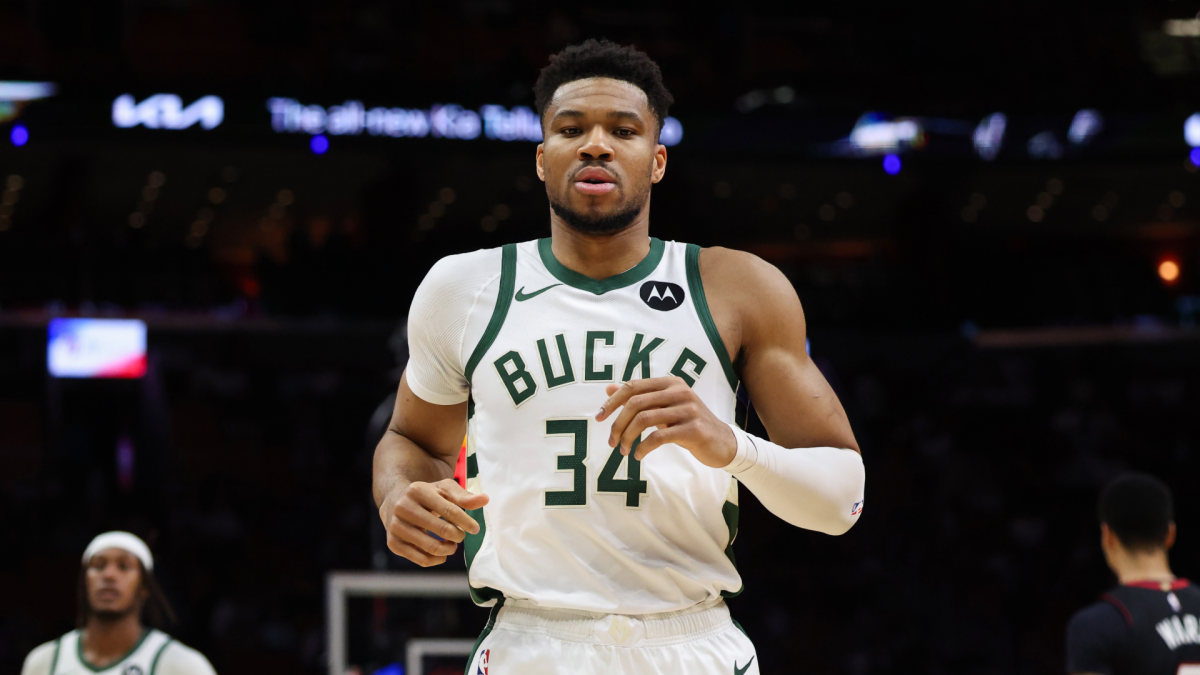
The transition from a franchise icon to a trade chip is never graceful. For the Milwaukee Bucks, the prospect of moving Giannis Antetokounmpo represents a total shift in organizational identity. After thirteen seasons in Milwaukee, the two-time MVP faces a summer of uncertainty. The Bucks find themselves at a crossroads that every small-market team fears.
General manager Jon Horst is currently navigating the delicate space between maximizing a return and facing the reality of a star with dwindling contract leverage. The 2026 NBA Draft is less than a week away. Trade rumors are heating up as teams prepare for a summer that could reshape the hierarchy of the Eastern Conference.
Antetokounmpo is expected to be dealt this summer if he does not commit to the franchise long-term. The pivot point arrives in October. If he makes it clear that he will not sign an extension at that time, Milwaukee will move him rather than risk losing him for nothing in free agency next summer.
This creates a high-stakes game of chicken between the Bucks and the rest of the league. According to reporting from Jake Fischer, several NBA personnel who have engaged with the Bucks describe the current asking price as especially ambitious. Some teams have gone as far as calling the demands unrealistic.
Horst is reportedly seeking a return that would jumpstart a total rebuild. When a team parts with a player of this caliber, the goal is typically to recoup a decade’s worth of draft capital and young talent. However, the market for Antetokounmpo has shifted from where it stood two years ago.
While he remains one of the premier forces in the league, recent injuries have clouded his availability. Furthermore, he only has one guaranteed year remaining on his current contract. This limited window of team control significantly impacts his trade value on the open market.
Sources indicate that Milwaukee has been asking for returns that would leave any acquiring club too barren to contend for a championship. This creates a logical paradox in the negotiations. The exact opportunity Antetokounmpo seeks is a chance to compete for titles immediately.
If a team guts its roster and draft cupboard to meet Milwaukee’s price, they may find themselves unable to build a winning environment around him. This would likely discourage Antetokounmpo from signing a long-term extension with his new team. It is a cycle that complicates the leverage for every party involved.
The Miami Heat have emerged as a frontrunner to get a deal done. They have a history of aggressive star-chasing and a roster structure that could potentially accommodate a superstar trade. However, they must find a way to improve their offer without compromising their ability to win now.
Miami faces the challenge of balancing salary slots and tradeable assets. To satisfy the Bucks, they would likely need to move significant rotation players and multiple future first-round picks. Finding the right mixture of talent and potential is the only way to bridge the gap between the two front offices.
The broader landscape of the Eastern Conference is also driving this urgency. The New York Knicks currently sit as the reigning champions. Their dominance has forced other contenders to reconsider their current trajectories after disappointing postseason showings.
The Detroit Pistons and Boston Celtics finished first and second in the Eastern Conference last season, respectively. Despite their regular-season success, both teams struggled when the stakes were highest. They now know they need to shake up their rosters to compete with the Knicks.
Detroit is already looking at internal moves to free up flexibility. Isaiah Stewart was one of the better backup bigs in the league last season, providing 10 points and five rebounds per game. He offered consistent rim pressure and shot 55 percent from the floor during the regular season.
However, Stewart struggled in the playoffs. He averaged only four points and 2.4 rebounds in the postseason. By the end of the second-round series against the Cleveland Cavaliers, he had largely lost his spot in the rotation to Paul Reed. Detroit eventually lost that series as their frontcourt depth faltered.
Stewart is now considered a player on the move as the Pistons look to retool. His trade value remains respectable because of his age and defensive versatility. Moving a player like Stewart could be the first step in a larger sequence of moves for a Detroit team that needs more reliable postseason contributors.
Boston is in a similar position of reflection. Finishing second in the conference was not enough to satisfy a franchise with championship expectations. They are expected to be active in the weeks ahead as they look for ways to maximize their window while the Knicks remain the team to beat.
The Bucks would naturally prefer to keep their franchise player. He is the most important figure in the history of the organization since Kareem Abdul-Jabbar. But the reality of the modern NBA is that stars often dictate their own exits once the competitive timeline begins to fray.
Milwaukee is trying to avoid the mistakes of past franchises that held onto stars for too long. If they wait until the trade deadline, his value could plummet further as he nears free agency. Trading him now allows the Bucks to control the destination and the return package.
Yet, the ambitious asking price suggests that Horst is not ready to settle for a standard superstar return. He is looking for a haul that mirrors the historic trades of recent years. The problem is that those trades involved players with multiple years of contract security.
Teams interested in Antetokounmpo are doing their own math regarding lineup fit and long-term cap holds. Acquiring him is not just about the talent on the floor. It is about the financial commitment required to keep him in the building beyond next season.
If the Bucks do not lower their demands, they risk entering the season with a distracted locker room and an impending deadline. The October extension date is the real finish line for these talks. Once that date passes without a signature, the leverage shifts almost entirely to the player and his potential suitors.
Fans in Milwaukee are bracing for the end of an era. The stakes are incredibly high for a city that has centered its basketball identity around one man for over a decade. A rebuild is a daunting prospect, but it is better than a slow decline into mediocrity.
The next few days leading up to the draft will be critical. If a deal is going to happen, the draft provides the best platform for moving multiple picks and young players. It also allows the Bucks to select their own prospects to begin the post-Giannis chapter.
Whether it is the Heat or another dark horse candidate, the team that lands Antetokounmpo will be taking a massive risk. They will be betting that his health holds up and that they can convince him to stay without the assets they traded away to get him.
For Milwaukee, the goal remains clear even if the path is difficult. They must find a way to honor the legacy of their greatest player while ensuring the franchise has a viable path forward. The price of a superstar is always high, but the price of waiting too long can be even higher.
If the reports of an unrealistic asking price persist, the market may stall until closer to the October deadline. This would create a summer of tension for the Bucks and the rest of the league. Every move made by the Pistons, Celtics, and Knicks will be viewed through the lens of a potential Giannis pursuit.
The NBA trade market is often defined by a single domino. Right now, that domino is in Milwaukee. The front office is holding out for a king's ransom, betting that a desperate contender will eventually meet their price to keep pace with the champions in New York.
The Bucks are effectively daring the league to call their bluff. By setting the bar so high, they are signalling that they are comfortable with the discomfort of an unsigned star. It is a strategy that could either secure their future or leave them with nothing when the music stops.
 Milwaukee Bucks