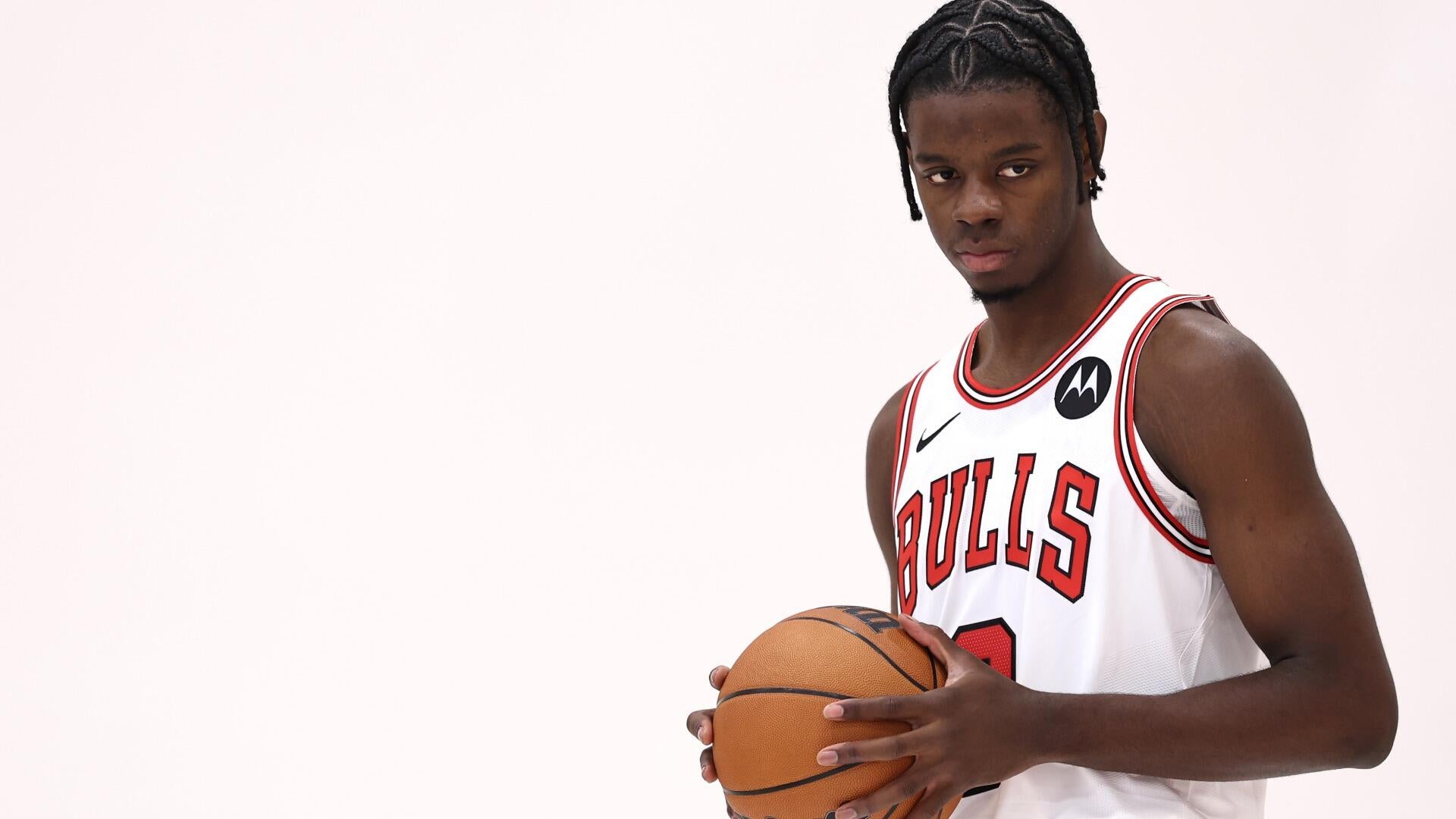
The Chicago Bulls confirmed on Friday, July 10, that they completed a four-team trade to bring center Nic Claxton from the Brooklyn Nets. The deal also involved the Minnesota Timberwolves and the Charlotte Hornets. Chicago sent the non-guaranteed contract of Mouhamadou Gueye to Minnesota, and Minnesota sent Julius Randle and the No. 28 pick to Brooklyn. The Nets received the No. 33 pick from Minnesota.
Claxton, 27, arrives with two years left on his contract, covering the 2025-26 and 2026-27 seasons. The deal uses roughly $23.1 million of Chicago’s league-leading cap space, trimming their flexibility from about $54 million to $31 million. Last season he posted 11.7 points, 6.9 rebounds, 3.7 assists and 1.1 blocks in 27.8 minutes per game, shooting 57.1 percent from the field. His field-goal efficiency remained strong even as his scoring and rebounding dipped from the 2022-23 peak of 12.6 points, 9.2 rebounds and 2.5 blocks per game.
From a basketball perspective, Claxton upgrades the Bulls at center, providing an athletic, defensive anchor. His ability to switch on defense, hedge and recover on screens, and protect the rim both on-ball and from the weak side aligns with head coach Tiago Splitter’s scheme. At 7-foot-3 with a long wingspan, he also offers spacing as a lob threat, complementing playmaker Josh Giddey in pick-and-roll situations.
The trade reflects a shift in the Bulls’ front-office philosophy under new executive vice president of basketball operations Bryson Graham. Rather than accumulating middling talent, Graham has emphasized versatile, two-way athletes, a trend evident in recent draft selections such as Caleb Wilson and Dailyn Swain. Acquiring a proven starter like Claxton for essentially a non-guaranteed contract demonstrates a strategic use of cap space without sacrificing future assets.
Looking ahead, the Bulls will integrate Claxton with their young core, including recent draft picks Caleb Wilson and Matas Buzelis. His defensive presence should ease the burden on younger players, allowing them to focus on offensive development. With about $31 million of cap space remaining, Graham can continue to add veteran pieces or absorb contracts to further shape the roster as training camp approaches.