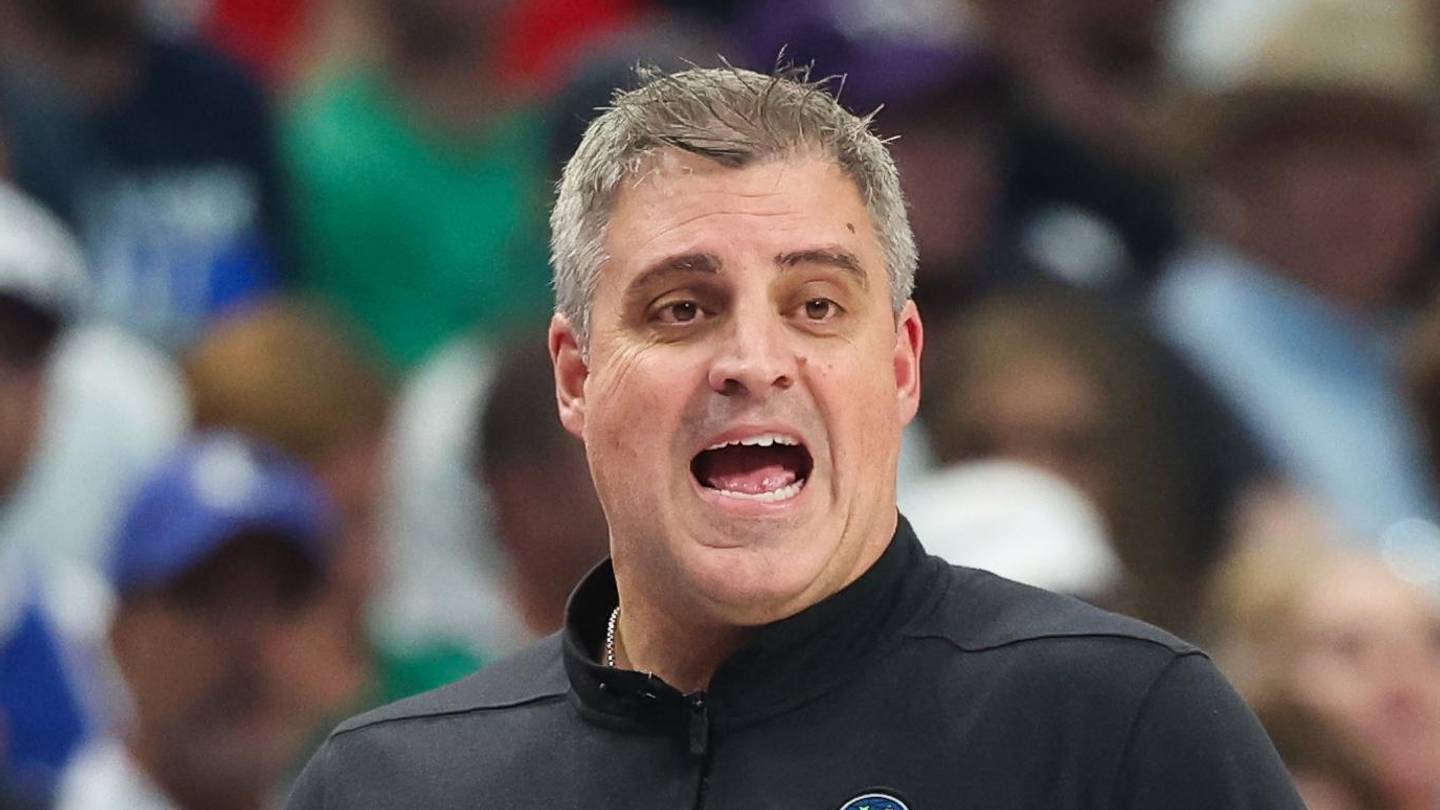
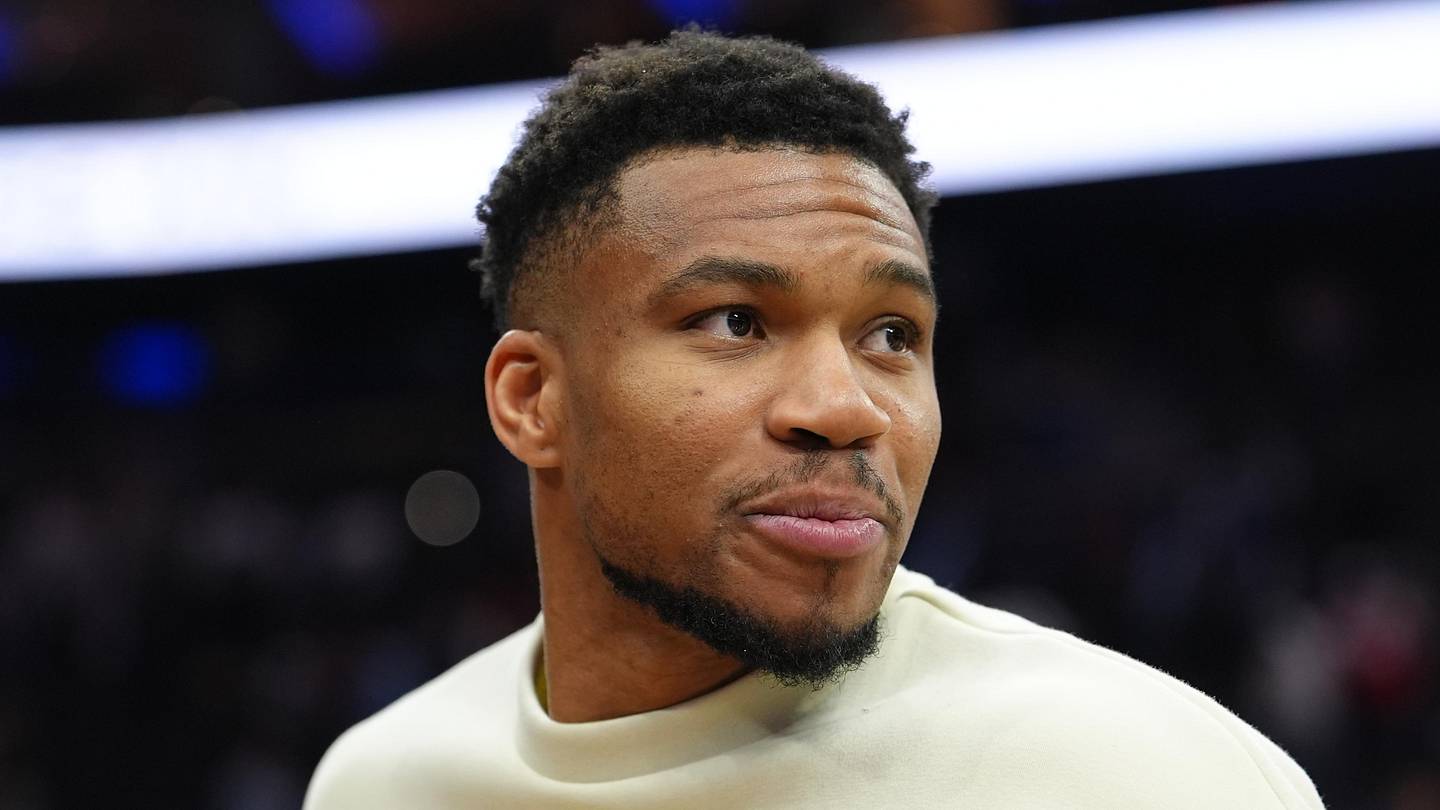
Arturas Karnisovas’ time in Chicago has been defined by a mishandled draft window that spanned two consecutive draft classes. The front office had the chance to influence both the class that produced a deep pool of immediate impact players and the class that offered abundant developmental depth. Instead of leveraging the flexibility that comes with holding multiple picks, the Bulls repeatedly fell short in evaluating talent across the board.
The team’s selection in the 2025 draft illustrates the core of the problem. Holding a mid-first-round slot after a season that ended with a 15-5 record, Chicago chose Noa Essengue, a prospect whose shoulder injury limited his upside from the start. While the extra first-round pick originated from the Lauri Markkanen trade, the pick itself was largely a byproduct of the Trail Blazers’ asset allocation rather than a proactive move by the Bulls’ front office. The decision to reach for a project player, rather than a proven prospect, underscored a broader inability to assess the talent available in that draft class.
The contrast between the two draft classes is stark. The 2025 class was more top-heavy, featuring several players ready to contribute immediately. By comparison, the 2026 pool offered depth and longer-term potential. Among the 2026 prospects highlighted in the source material are point guard Mikel Brown Jr., a 6-5 shooter with high vision who can drift into highlight-reel moments; forward Caleb Wilson, a 6-10 athlete whose rim-rattling style draws comparisons to past power forwards; forward Cameron Boozer, a work-in-progress whose size and athleticism are evident; and Kansas guard Darryn Peterson, whose freshman tape showed flashes of top-five talent despite an uneven start. The Bulls’ failure to incorporate any of these names into their planning reflects a missed opportunity to tap the depth of the later class.
Across the league, the Dallas Mavericks capitalized on their own window by striking lottery gold with Cooper Flagg, a player who posted a sophomore season reminiscent of a young LeBron and is already being discussed as a future face of the league. That success shines a bright light on Chicago’s missteps, illustrating how a well-executed draft strategy can generate a cornerstone player, while a lack of clear direction leaves a franchise scrambling.
Looking ahead, the Bulls must decide whether to double down on their current trajectory or to make bold moves before the next draft. Without a trade that elevates their position or a savvy gamble in the second round, Chicago risks entering the upcoming season with a roster lacking the youthful infusion needed to compete. The next set of decisions will determine if the franchise can reverse the narrative of missed opportunities or continue a pattern of draft mismanagement.

 Chicago Bulls