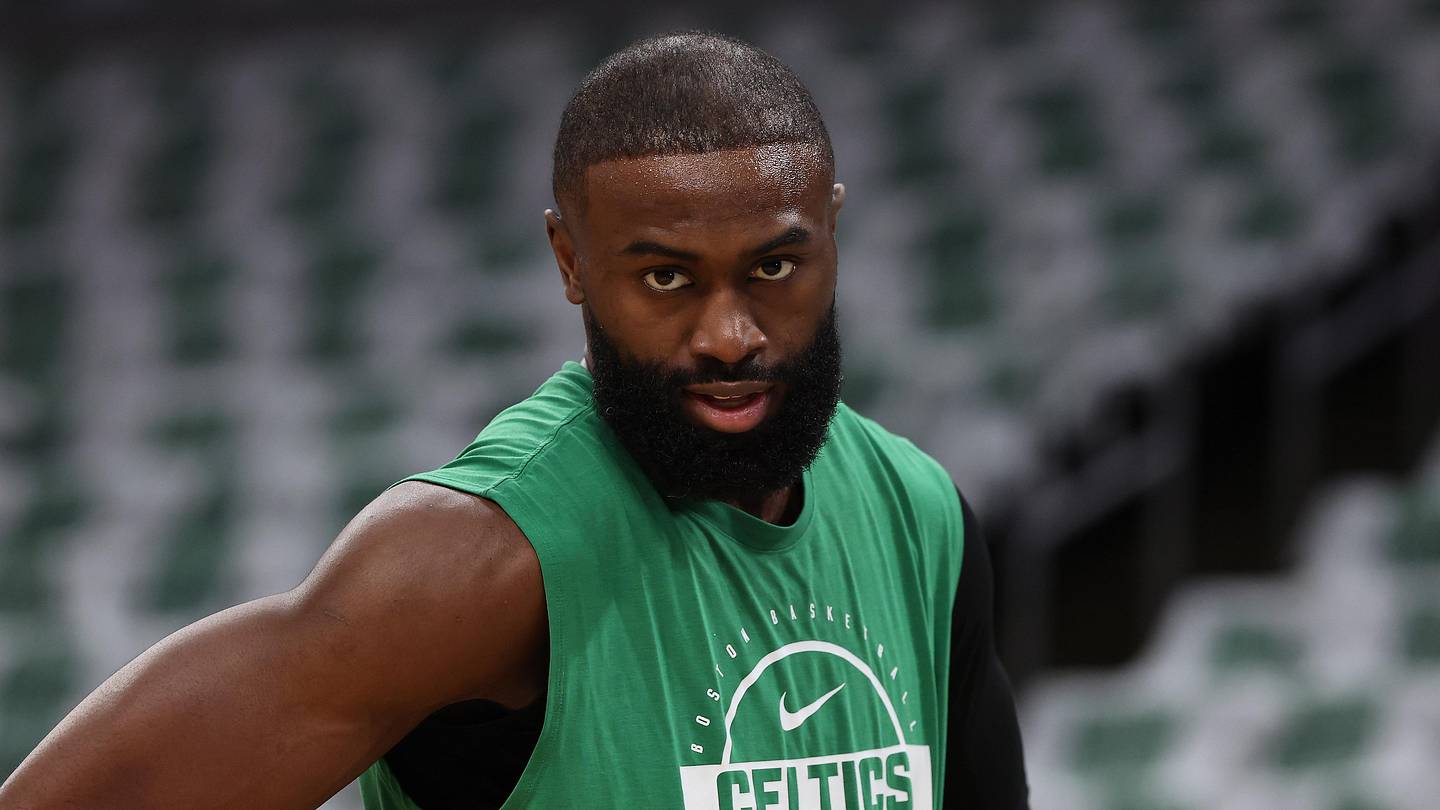
The Celtics enter the offseason with a forward group that already includes Jayson Tatum, Jaylen Brown, Hugo González, Sam Hauser and Jordan Walsh. On paper, that depth makes a new forward seem unnecessary, and head coach Brad Stevens has repeatedly emphasized continuity on the wing. Still, the roster is not static, and the front office often looks ahead to the draft to add pieces that can slot in without disrupting the core.
Jordan Walsh holds a team option on his contract for next season, giving Boston flexibility but also leaving a question mark on his long-term role. At the same time, Sam Hauser has been mentioned in trade discussions since the February 5 trade deadline. Those two variables open the possibility that a roster spot could become available, and the draft provides a low-cost way to address any emerging need at forward.
Enter Alex Karaban, a 6-foot-8 senior from UConn who has spent four years in the collegiate system. In 40 games last season he posted 13.2 points, 5.3 rebounds and 2.4 assists while shooting 37.4 % from three and 85.1 % from the free-throw line. His size, shooting efficiency and experience align with Stevens’ recent draft philosophy of selecting players who can contribute immediately and still possess upside for future development.
Karaban’s game centers on a polished perimeter shot and a disciplined off-ball approach. He can occupy a forward spot while providing floor spacing, a valuable asset in a system where Tatum and Brown attract heavy defensive attention. His ability to run off screens and finish in pick-and-pop situations makes him a natural fit for Boston’s motion offense, and his high free-throw percentage suggests a reliable scoring option when called upon.
If the Celtics decide to move Hauser or adjust Walsh’s contract situation, Karaban offers a plug-and-play solution that would not strain the salary cap. He could see minutes early in the season, giving the team a versatile shooter who is comfortable in a structured system. In the long run, his four-year college background provides a foundation for continued growth, allowing Boston to maintain its competitive window while adding depth without sacrificing future flexibility.

 Boston Celtics