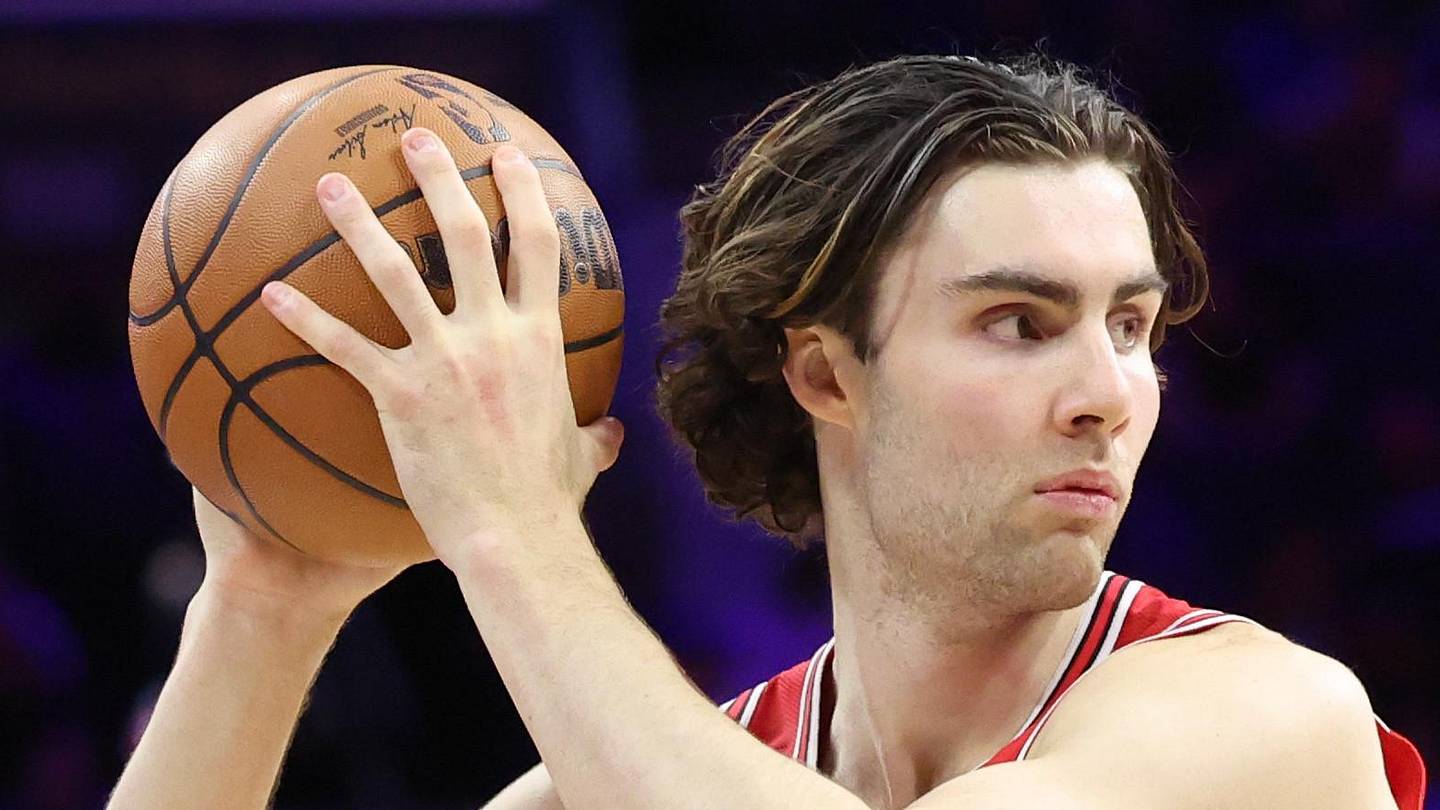
The Minnesota Timberwolves have signaled a clear interest in Chicago’s 23-year-old point guard Josh Giddey. The move comes just weeks after the franchise installed Bryson Graham as vice president of basketball operations and hired Tiago Splitter as head coach. For a front office that has not yet solidified its long-term roster plan, a trade involving Giddey would be one of the first tangible actions that defines the new regime’s direction.
Giddey spent his first two NBA seasons in Chicago, developing a reputation for elite vision, passing lanes, and a high basketball IQ. Those traits thrive in a pick-and-roll heavy system, yet they clash with Graham’s preferred “SLAP” archetype, which prioritizes size, length, athleticism, and positioning. While his style does not fit the SLAP mold, Splitter’s coaching philosophy emphasizes ball movement and high-low action, offering a potential niche for Giddey as a secondary playmaker alongside the Wolves’ interior anchors.
If Minnesota can pair Giddey’s floor-spacing and playmaking with a reliable big man, the fit could evolve from a mismatch to a complementary partnership. The Wolves’ roster already includes several interior pieces that could benefit from a guard who can stretch defenses and create off-ball opportunities. Moreover, the interest in Giddey arrives as the franchise evaluates other young talent, such as forward Matas Buzelis, indicating a broader focus on youthful upside.
Across the lake, the Bulls are entering a crucial offseason period that includes the NBA draft and free-agency market. With Giddey’s contract still in its early years, Chicago faces a decision: retain the guard for another season or use him as a tradable asset to acquire draft picks or veteran depth. The Bulls’ own roster construction will likely treat Giddey as a flexible piece that can generate value in the upcoming trade window.
The timeline for any potential deal aligns with the league’s offseason calendar. While the trade deadline falls in early February, most moves involving players on rookie contracts materialize before the draft, when teams are most willing to negotiate. Minnesota will need to align its cap space, roster spots, and the strategic fit of Giddey’s skill set with Splitter’s system before the July free-agency period. The outcome of these negotiations will shape the trajectories of both franchises as they head into a pivotal offseason.
Should the Wolves secure Giddey, the trade would represent an early test of Graham’s and Splitter’s ability to integrate a player whose strengths sit at the intersection of playmaking and spacing. For Chicago, the decision will either preserve a young guard for the next season or convert him into assets that accelerate the rebuild. Either scenario underscores how quickly the new leadership in Minnesota is moving to reshape its roster.
 Chicago Bulls
