The Chicago Bulls find themselves at a familiar crossroads where the cost of talent meets the reality of a long term rebuild. As the front office navigates a roster in flux, the idea of taking on distressed assets has moved from a fringe theory to a central strategy. This approach often involves targeting players with significant salary hits whose market value has dipped due to performance or availability issues.
Recent league discussions have already linked Chicago to various high priced veterans. One notable example involves the suggestion that the Bulls could attempt to rehabilitate the trade value of De’Aaron Fox.
The San Antonio Spurs guard is currently owed $221.7 million through 2030, representing the kind of massive financial commitment that most contending teams avoid. For a team like Chicago, these contracts represent a way to acquire high level talent without the typical draft pick compensation.
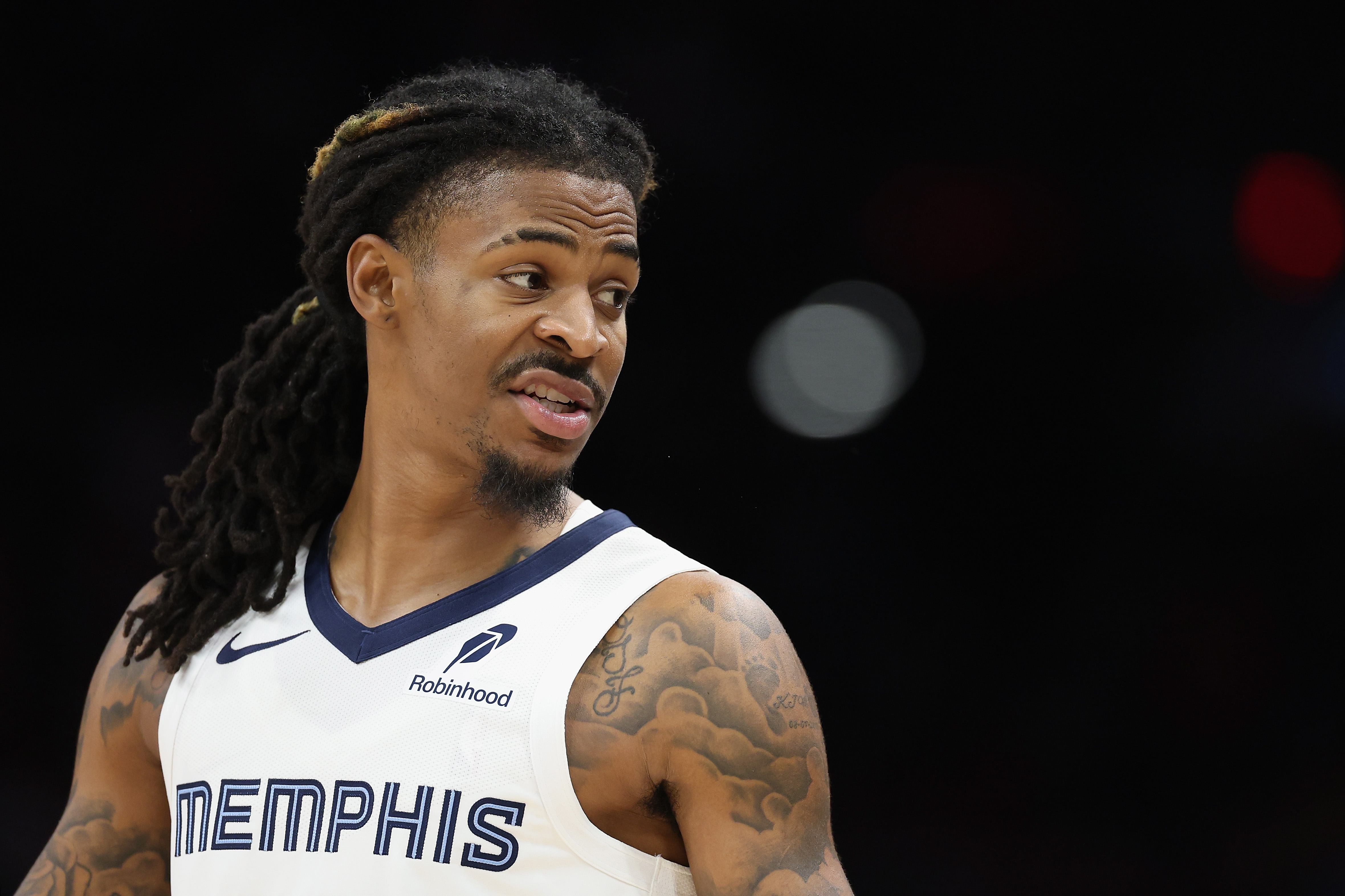
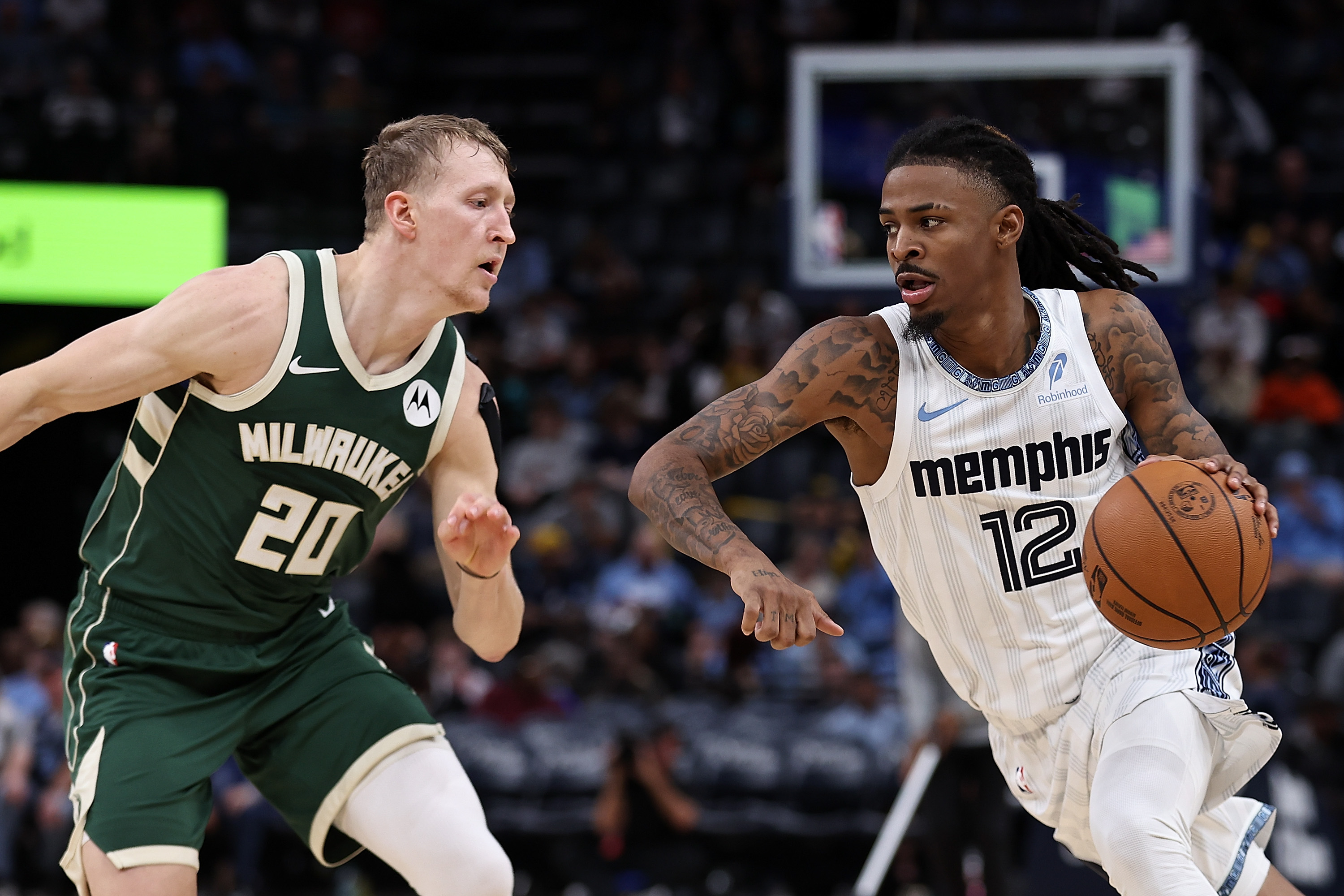
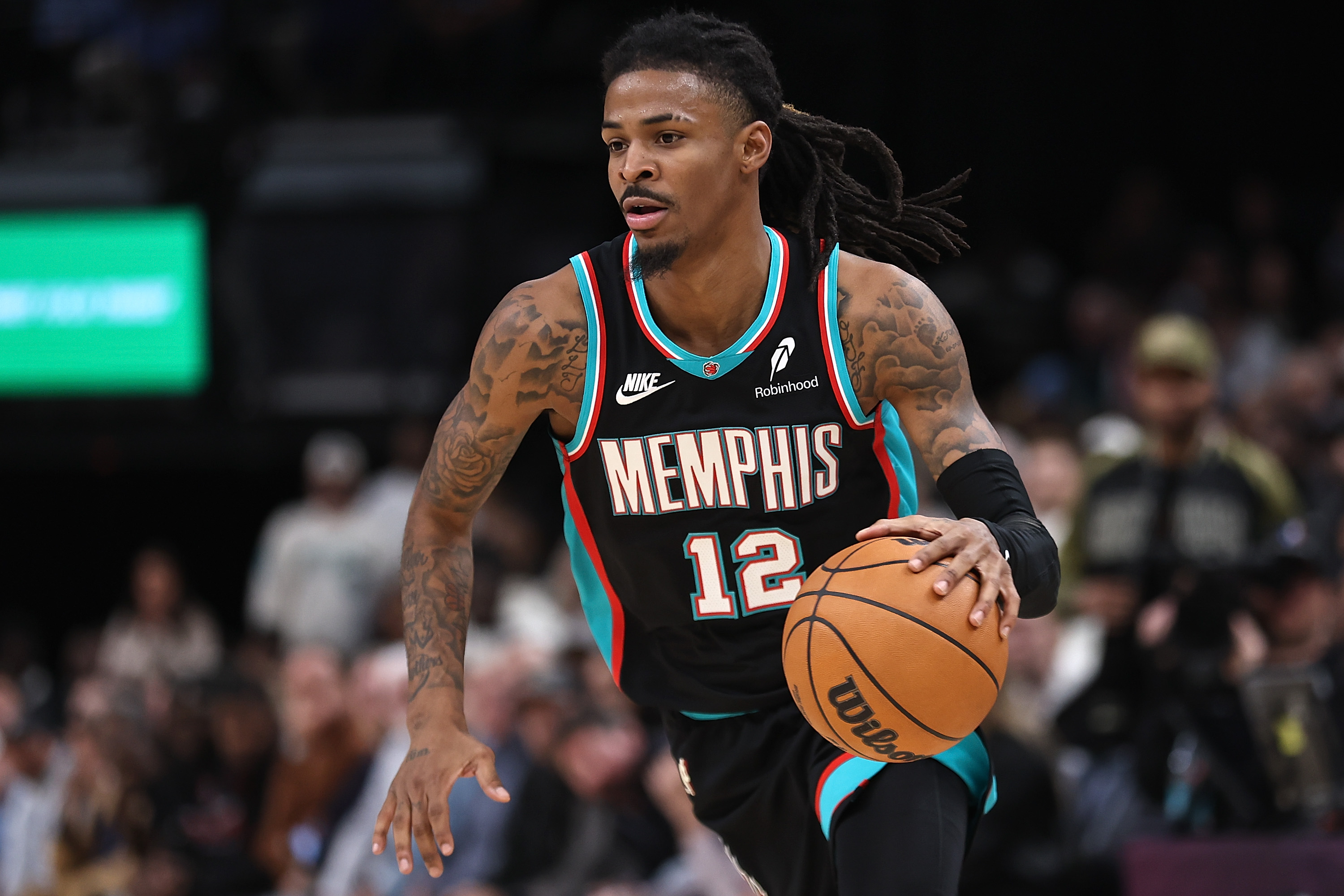
The focus has now shifted toward Memphis Grizzlies guard Ja Morant. Morant is entering a critical phase of his career where his status as a franchise cornerstone is no longer a certainty. Memphis is reportedly looking to hit the reset button, searching for a new direction and a different type of primary player. This shift has placed Morant on the trade block, though his market is currently limited to a few specific suitors.
According to reporting from Sam Amick of The Athletic, the Sacramento Kings and the New Orleans Pelicans are the two teams currently showing the most interest. Amick noted during an appearance on FanDuel TV that the Pelicans might be the more likely destination.
This leaves the Bulls in a complicated position as they monitor the market from the sidelines. While Chicago has not officially entered the fray, the logic of their current roster construction makes Morant a frequent topic of speculation.
Morant is heading into the second to last season of a five year contract worth $197.2 million. The financial implications are staggering for any team operating near the luxury tax apron.
For the 2026-2027 season, Morant is scheduled to earn $42.1 million. That figure climbs even higher in the 2027-2028 season, where he is set to earn $44.8 million.
These salary slots require a team to be absolutely certain about a player's ability to lead a winning culture.
The 2025-2026 season was a difficult stretch for the explosive guard. Morant appeared in only 20 games, a small sample size that did little to quiet concerns about his long term durability. During those appearances, his production dipped below his career standards.
He averaged 19.5 points, 3.3 rebounds, and 8.1 assists per game. These numbers represent a departure from his career averages of 22.4 points and 7.4 assists over seven seasons.
For the Bulls, the decision to pursue Morant hinges entirely on their internal evaluation of Josh Giddey. Chicago acquired Giddey with the intention of giving him significant reps as a primary playmaker. If the front office views Giddey as the long term solution at the point, Morant becomes a redundant and expensive addition. The two players occupy similar spaces on the floor, both requiring the ball to be effective.
There is a legitimate concern that Morant's arrival would stunt the growth of Chicago's current core. Building a cohesive environment requires clear roles and consistent minutes for developing players. If Morant were to take over the primary ball handling duties, Giddey would likely be pushed into an off ball role. This shift would test Giddey's ability to provide spacing, a skill that remains a work in progress for the young guard.
Alternatively, Chicago could view Giddey as a tradeable asset in a larger shuffle. If the Bulls decide that Morant’s rim pressure and elite transition game are worth the financial risk, Giddey could be moved to recoup assets. This would represent a significant pivot in the team's philosophy. It would trade a younger, cheaper playmaker for a veteran with a proven but volatile track record.
The trade value of a player like Morant is difficult to calculate in the current CBA climate. Teams are increasingly wary of the second apron and the restrictions it places on roster flexibility. Taking on a $44 million salary limits a team's ability to use the mid level exception or aggregate players in future trades. Chicago must weigh whether Morant's ceiling is high enough to justify losing that flexibility for the next three years.
Memphis is clearly ready to move on, which often gives the buying team a bit of leverage in negotiations. However, the presence of the Kings and Pelicans in the market prevents a total fire sale. If New Orleans decides to move forward with a deal, they have the draft capital and young players to outbid most teams. Chicago would have to be aggressive, potentially moving future first round picks that are vital to their own rebuild.
The Bulls’ current stance appears to be one of cautious observation. They are linked to these "bad" contracts because they have the cap holds and salary slots to make the math work. Yet, the front office seems aware that a mistake at this price point could set the franchise back for half a decade. Rehabilitating a player's value only works if the player is healthy enough to stay on the floor and productive enough to flip later.
Morant’s game relies heavily on elite athleticism and the ability to collapse defenses. When he is at his best, he creates open looks for shooters and puts constant pressure on the rim. In Chicago, he would find a roster that desperately needs that kind of north-south aggression. The question is whether his body can still handle the physical toll of an 82 game season while carrying the burden of a massive contract.
The broader league landscape is also shifting, with other star guards like Trae Young emerging as trade options for teams like the Miami Heat. This saturation of the guard market could work in Chicago's favor. If other teams focus their assets on different targets, Morant's price tag might eventually drop to a level the Bulls find acceptable. Until then, the focus remains on the development of the players already in the building.
The Bulls are attempting to thread a needle between being competitive and being responsible with their future assets. A trade for Morant would be a loud signal that the team is ready to exit the patient phase of its rebuild. It would require a total commitment to a player whose recent history is defined more by absence than by presence. If the front office believes in Giddey, the Morant rumors are likely nothing more than background noise.
Success in the modern NBA often comes down to identifying which high priced stars are worth the headache and which are simply expensive anchors. Chicago has spent years trying to find a balance between veteran leadership and youth.
Morant represents a middle ground; he is a veteran in terms of experience and contract, but he is still young enough to fit a rebuild timeline. The risk, however, is that his arrival could disrupt the very foundation the Bulls are trying to lay.
If the Kings or Pelicans pull the trigger on a deal soon, the Bulls will have their answer without having to make a difficult choice. But if Morant remains on the Grizzlies' roster as the season progresses, the pressure on Chicago to make a move will only increase.
Fans are hungry for a star, and the front office is under pressure to show progress. In the high stakes world of NBA trades, the most dangerous move is often the one made out of desperation.
The Bulls are currently choosing the path of internal development, banking on the idea that Josh Giddey can become the engine of their offense. By staying out of the Morant sweepstakes for now, Chicago is prioritizing roster harmony over the allure of a former All Star.
Whether this patience pays off depends on Giddey's growth and the team's ability to find value in less expensive salary slots. The Morant situation serves as a reminder that in the NBA, talent is only as valuable as the contract and the health that come with it.

 Chicago Bulls